Last updated November 22, 2026
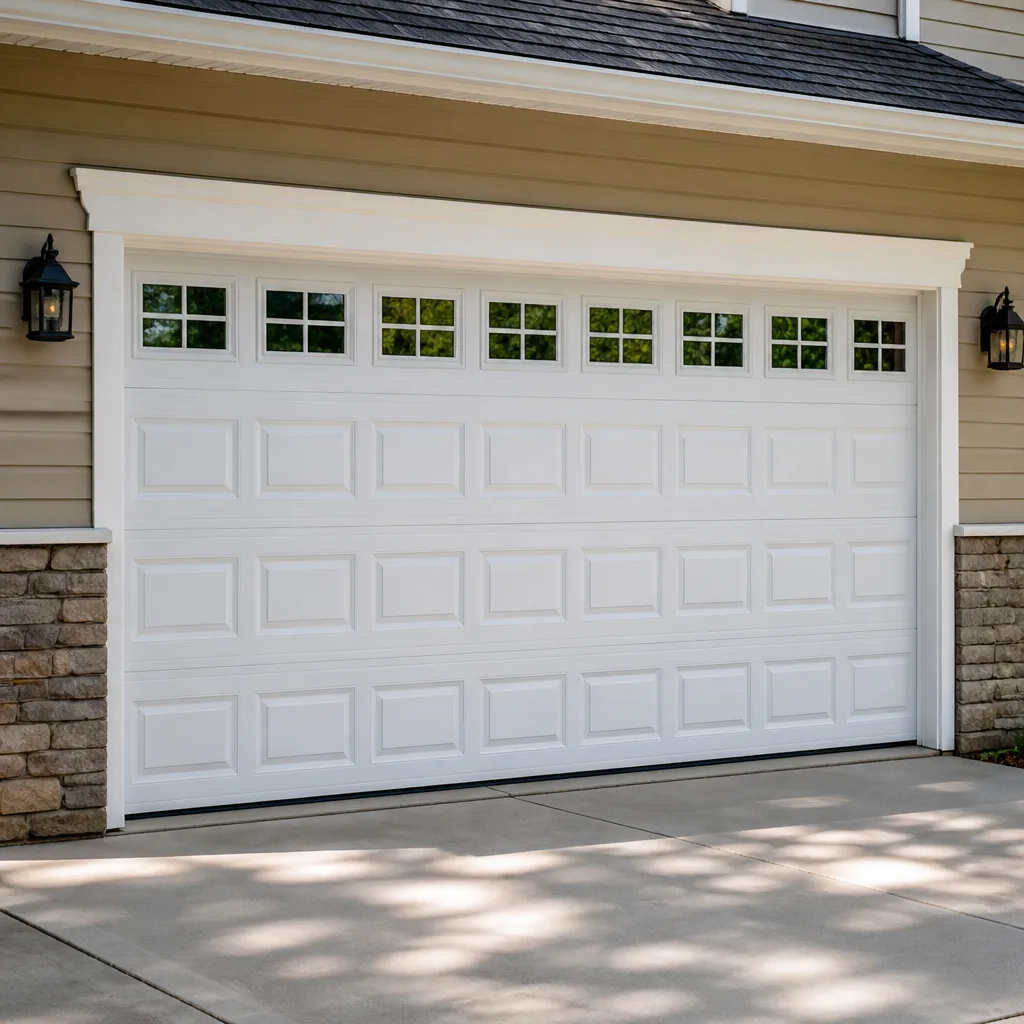 Raised-panel steel
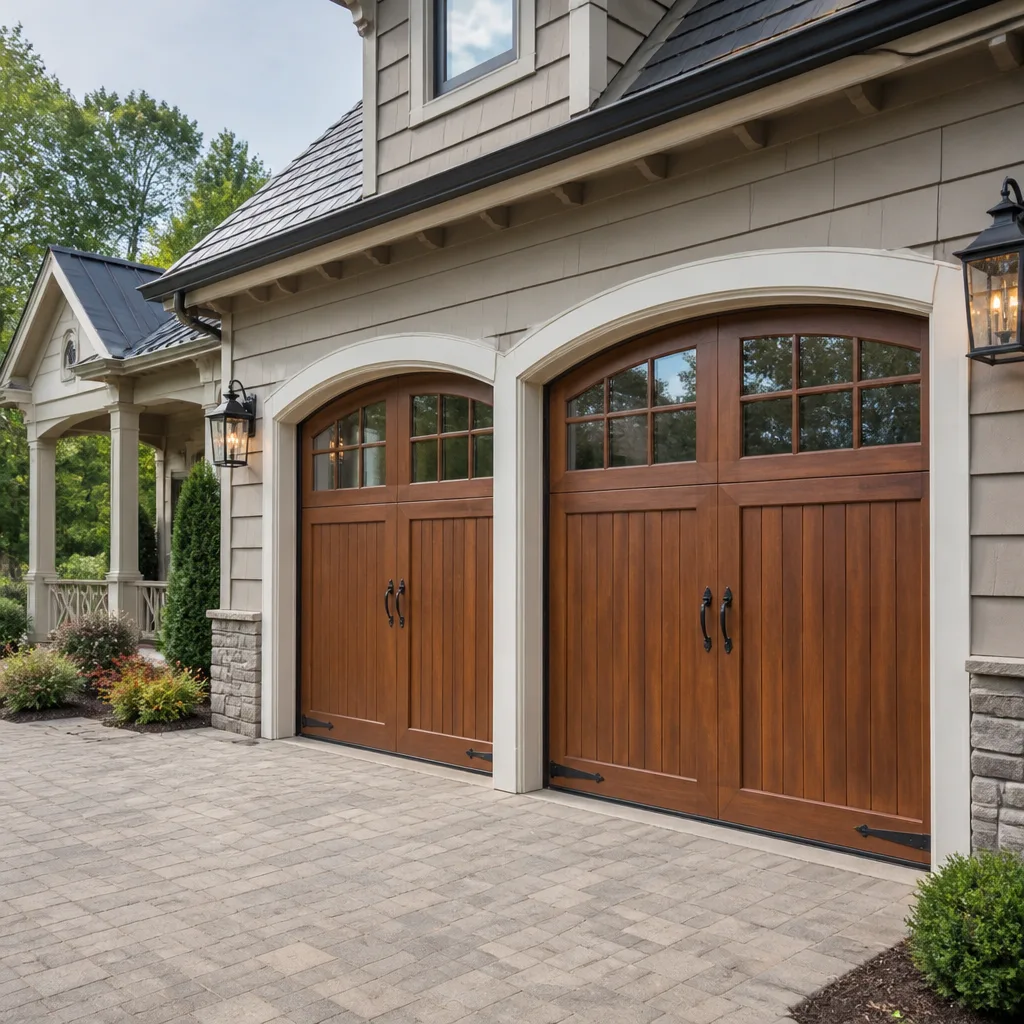 Carriage house
 Modern flush
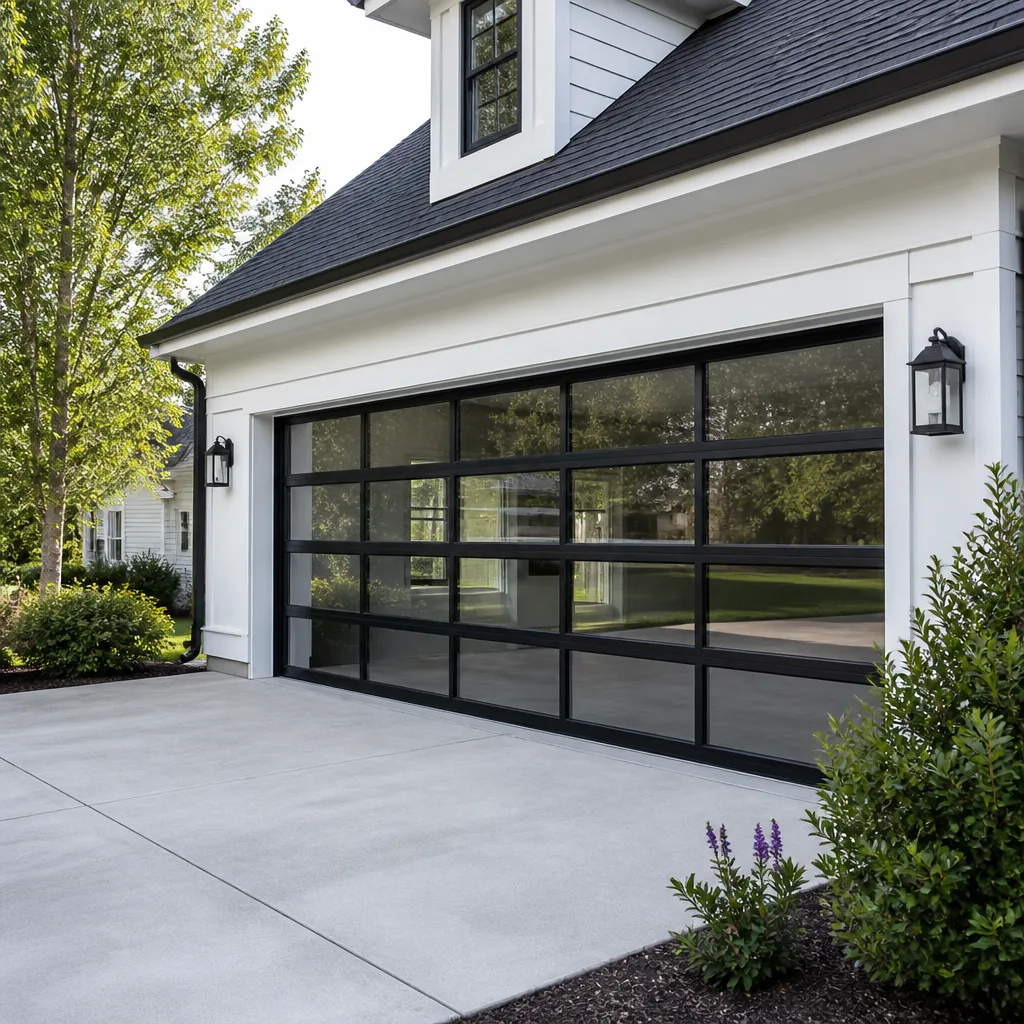 Full-view glass
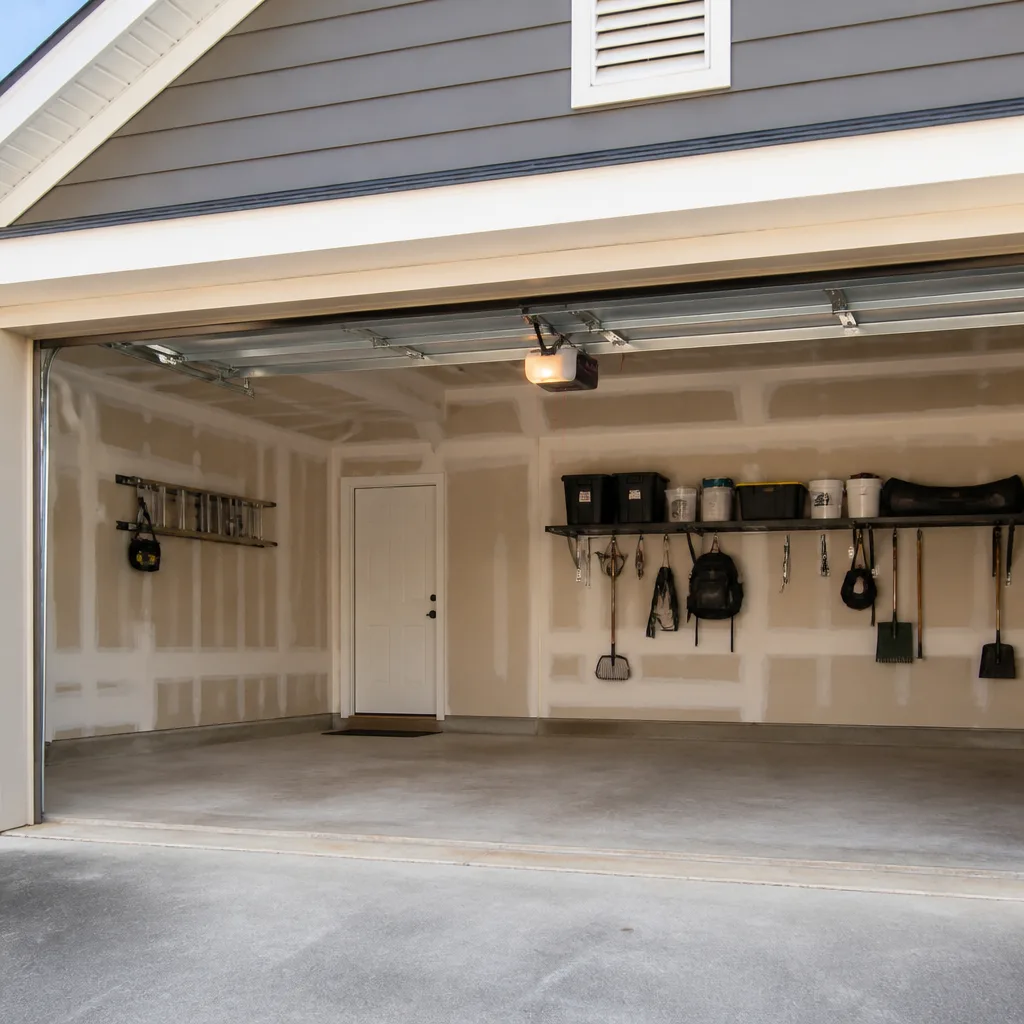 LiftMaster openers
 Chamberlain openers
Full 25-point door and opener safety check with every visit - springs, cables, rollers, tracks, and your LiftMaster or Chamberlain opener included
You get a price before we start. It does not change when the pro arrives.
Get your free estimateGarage Door Permits, Codes & Inspections in Centennial, CO: What You Need to Know
Here’s the part most Centennial homeowners get backwards: the permit question doesn’t hinge on whether you’re buying a new door. It hinges on whether the work touches the structure around it. Swapping a like-for-like door into the same opening usually needs nothing but a competent installer. Cutting a new opening, widening a header, changing the framing that carries the load above the door, or replacing a fire-rated door between the garage and the house can pull you into a permit and inspection process that people rarely plan for. This guide walks through when a permit applies in Centennial, what inspectors actually look at, how HOA approval sits on top of municipal rules, and why unpermitted structural work can follow you all the way to the closing table.
Quick Answer
A straight replacement of a garage door in the same opening with no structural change typically does not require a building permit in Centennial, Colorado. Any work that changes the structure, such as a new opening, altered framing, a header change, or a fire-rated door between an attached garage and living space, generally does require a permit and inspection. When in doubt, call the City of Centennial’s building department before the work starts – a short phone call is cheap insurance.
Styles & brands we work with
- Raised-panel steel
- Carriage house
- Modern flush
- Full-view glass
- LiftMaster openers
- Chamberlain openers
Table of Contents
- When does a garage door job need a permit in Centennial?
- Which IRC sections apply, and what do inspectors check?
- HOA approval vs. municipal permits in Centennial
- Fire-rated doors between the garage and living space
- The permit and inspection process, step by step
- How unpermitted work shows up at resale
- Common mistakes to avoid
- Frequently asked questions
When does a garage door job need a permit in Centennial?
The rule of thumb is whether the work is mechanical or structural. A mechanical replacement means taking one door out and putting another door in the same opening, using the same tracks, spring system, and opener mounting. Structural work means changing anything the door depends on for support – the framing, the header, the rough opening dimensions, or the wall assemblies on either side.
Centennial incorporates a lot of unincorporated Arapahoe County territory, and the permit review for a given address depends on which jurisdiction the property actually falls under. Some addresses in Centennial answer to the City of Centennial’s building department, while other parcels still go through Arapahoe County. That’s why a neighbor’s experience a few streets over isn’t reliable information for your own address.
In our experience, here’s how it usually shakes out:
- Like-for-like door replacement, no structural change: usually no permit required. You’re replacing a component, not modifying the building.
- New opening, door added to a garage wall that never had one: permit required. Adding an opening changes how loads travel through that wall.
- Widening or heightening an existing opening: permit required. Header and framing must be engineered for the new span.
- Header or load-bearing framing alteration: permit required, and likely an engineer’s input.
- Fire-rated door replacement between attached garage and living space: frequently requires a permit because the door is part of a rated assembly (more on this below).
- Opener replacement or spring replacement: no permit. This is mechanical service, not construction.
If you’re only doing repair on the existing hardware, that’s the territory of garage door repair rather than permitted construction – the vast majority of Centennial garage door calls fall into that bucket, and no permit enters the conversation.
Which IRC sections apply, and what do inspectors check?
Colorado jurisdictions generally adopt some version of the International Residential Code, with local amendments layered on top. Rather than quote a specific section number that may or may not match your jurisdiction’s adopted edition, the safer move is to ask the building department which IRC sections apply to your scope of work. That question eliminates guesswork entirely.
The codes that touch garage doors cluster in a few areas of the IRC: the chapter governing building planning and fire separation, the chapter covering structural framing and headers, and the electrical provisions relating to the door operator and its safety features. Here’s what actually gets inspected when a garage door permit is issued:
- Header and framing size. The inspector verifies the header above the opening is sized correctly for the span and for the load above it, with proper jack studs and king studs.
- Attachment and fastening. How the track is anchored, how the torsion hardware is bolted, and whether the jambs will carry the force the door exerts.
- Fire separation at the common wall. If the garage shares a wall or ceiling with living space, the assembly between them is checked for the required protection.
- Door and opener safety features. The auto-reverse mechanism and photo-eye safety sensors on the operator are verified, since they’re part of the electrical inspection.
- Clearances and egress. Whether the door and its hardware intrude on required clearances, and whether any required exit path stays unobstructed.
Modern openers like a newer LiftMaster or Chamberlain unit carry factory-integrated safety reversing, but the installation still has to be right. We handle that side of the system through garage door opener repair and new opener installation, and we’ll flag when a component issue is going to come up at inspection before it becomes a reinspection fee.
HOA approval vs. municipal permits in Centennial
These are two separate approvals, and clearing one does not clear the other. A city permit checks that the work is structurally and electrically sound. An HOA architectural review checks that the door looks the way the neighborhood wants it to look. Centennial has a lot of master-planned and covenant-controlled communities where HOA architectural review is mandatory before installation, and the review often runs slower than the permit process.
The usual order of operations that avoids problems:
- Read your covenants first. Pull the architectural guidelines for your community and check whether the door material, color, window pattern, and panel style are pre-approved or need an exception.
- Submit the HOA architectural request. Most require the door’s specifications, a color sample or photo, and sometimes a diagram showing placement. Get the approval in writing.
- Confirm with the building department whether a permit applies. Do this in parallel, not after the HOA comes back. One does not flow from the other.
- Order and schedule the door only once both are cleared. Custom door lead times can be weeks, and a door sitting in your garage waiting on a denied HOA request is an awkward position.
HOA approval is also one of the reasons we don’t promise same-day turnaround on a full garage door installation. Installation work is measured, ordered, and scheduled, and we’d rather your new door be the right one than a fast one. If you’re just weighing whether to replace, the free measure and written estimate are the starting point.
Fire-rated doors between the garage and living space
If your garage is attached to your home, the wall and door between the garage and the living space are part of a fire separation assembly. The purpose is straightforward: give occupants time to get out and give the fire department time to arrive before fire moves from the garage into the house. The door in that opening has to maintain the rating the assembly requires.
What typically qualifies:
- A solid-core door with the required fire rating, installed with the correct frame and self-closing or self-latching hardware where required.
- Proper labeling that documents the door’s fire rating, which inspectors want to see.
- A door that fits its opening correctly – a rated door with large gaps or a poor seal doesn’t perform as a rated assembly.
What disqualifies a standard door:
- An unrated hollow-core interior door installed in that opening.
- A rated door with an oversized undercut or visible gaps at the frame.
- A rated door whose self-closing hardware has been removed or defeated.
- A door retrofitted with a pet door or an additional window not part of the original rated listing.
This is the part of the code that catches people at inspection, because the door looks perfectly serviceable. If you’re replacing the door between your attached garage and your kitchen, verify the required rating and the labeling with the City of Centennial building department before you buy, then confirm the hardware comes with it.
The permit and inspection process, step by step
When a permit does apply, the sequence is predictable. Allow for it in your schedule.
- Confirm jurisdiction. Call the City of Centennial building department with the property address and confirm whether it’s a City or Arapahoe County permit.
- Describe the scope precisely. “Replace garage door” and “add a garage door opening to an existing wall” are very different applications. Be exact about what’s changing.
- Submit the application with drawings if required. Structural changes usually need drawings, sometimes stamped by an engineer, showing the header and framing detail.
- Pay the permit fee and get your inspection card. Ask what inspection stages apply – some jobs need a rough framing inspection before the door goes in.
- Complete the work. This is the part we handle, and we’ll coordinate our schedule around the inspection timeline.
- Call for the inspection. Usually a final inspection covering framing, fire separation, and the operator’s safety features. Have the manufacturer documentation on site.
- Keep the signed-off permit. The approved inspection record is the document that clears your property at resale.
If your project is repair only, none of this applies. If you’re not sure, we’ve talked Centennial homeowners through the distinction hundreds of times – just ask when we’re out for an estimate. You can also read more about what we do across the board at Garage Door Repair Centennial Pros.
How unpermitted work shows up at resale
Unpermitted structural work is not invisible. It surfaces in a predictable set of places when a Centennial home goes on the market. A permit search at the city or county returns no record for work that clearly exists in the house. An appraiser notices that the garage configuration doesn’t match the public record. An inspector asks why the opening dimensions on the county’s sketch don’t match what’s standing in front of them. Any of those triggers a request for documentation the seller doesn’t have.
Once the question is raised, the buyer’s leverage changes. The buyer can require that the work be brought up to current code at the seller’s expense before closing, and that often means reworking structure that’s been sitting happily in place for years – updating framing, resizing a header, or adding fire separation that wasn’t there. Colorado real estate transactions carry disclosure obligations as part of the standard seller’s property disclosure process, and knowingly failing to disclose unpermitted work or a known code issue can create legal exposure well beyond a negotiation over the price. The straightforward path is always to permit the structural work when it happens. A permit fee at the front end costs a fraction of retrofitting a decade of unpermitted construction at the closing table.
This is the reason we ask homeowners what’s actually changing before quoting a job, rather than just quoting the door. A Raynor or Clopay door in the same opening is a replacement. A new opening for a Craftsman-equipped second garage is a construction project. They’re not the same call, and we scope them differently.
Common Mistakes to Avoid
- Assuming “it’s just a door” means no permit. A replacement isn’t automatically exempt when the framing changes. If the opening is new or enlarged, treat it as structural and check with the building department.
- Clearing HOA before the building department, or the reverse. Centennial has plenty of covenant-controlled neighborhoods where both approvals apply, and one doesn’t substitute for the other. Run them in parallel.
- Replacing the garage-to-house door with whatever’s on sale. The door between an attached garage and living space has to maintain the fire separation assembly. An unrated hollow-core door will fail inspection and needs to be swapped out.
- Removing the self-closer on a rated door because it’s annoying. That hardware is part of the assembly. Removing it de-rates the door and shows up as an inspection finding.
- Not asking which jurisdiction the property falls under. A Centennial address and a Centennial business address can route through different permitting authorities. Confirm with the address, not the mailing city.
- Pulling a permit and skipping the rough inspection. Some structural scopes require the framing to be inspected before the door goes on. Covering it up means opening it back up.
- Tossing the approved inspection record. The signed-off permit is the document you’ll be asked for at resale. Keep it with your closing paperwork.
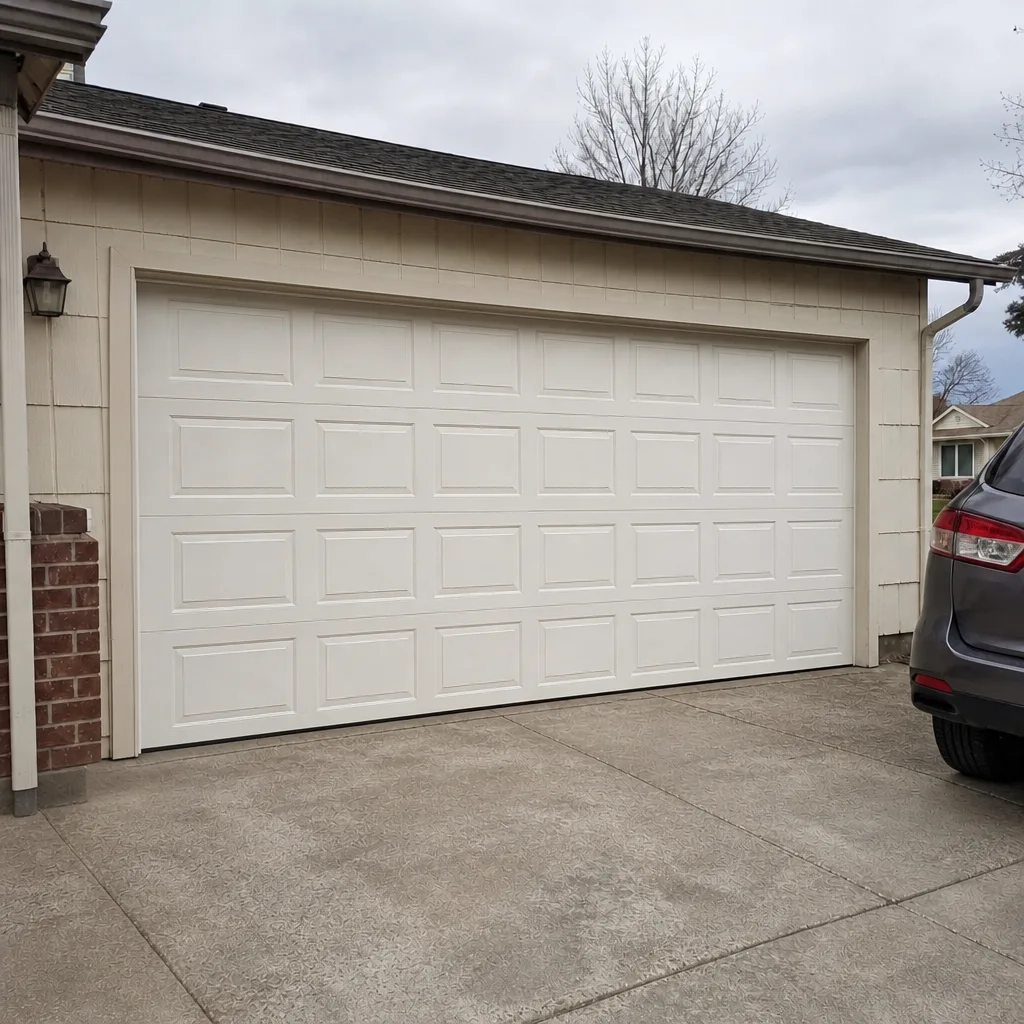
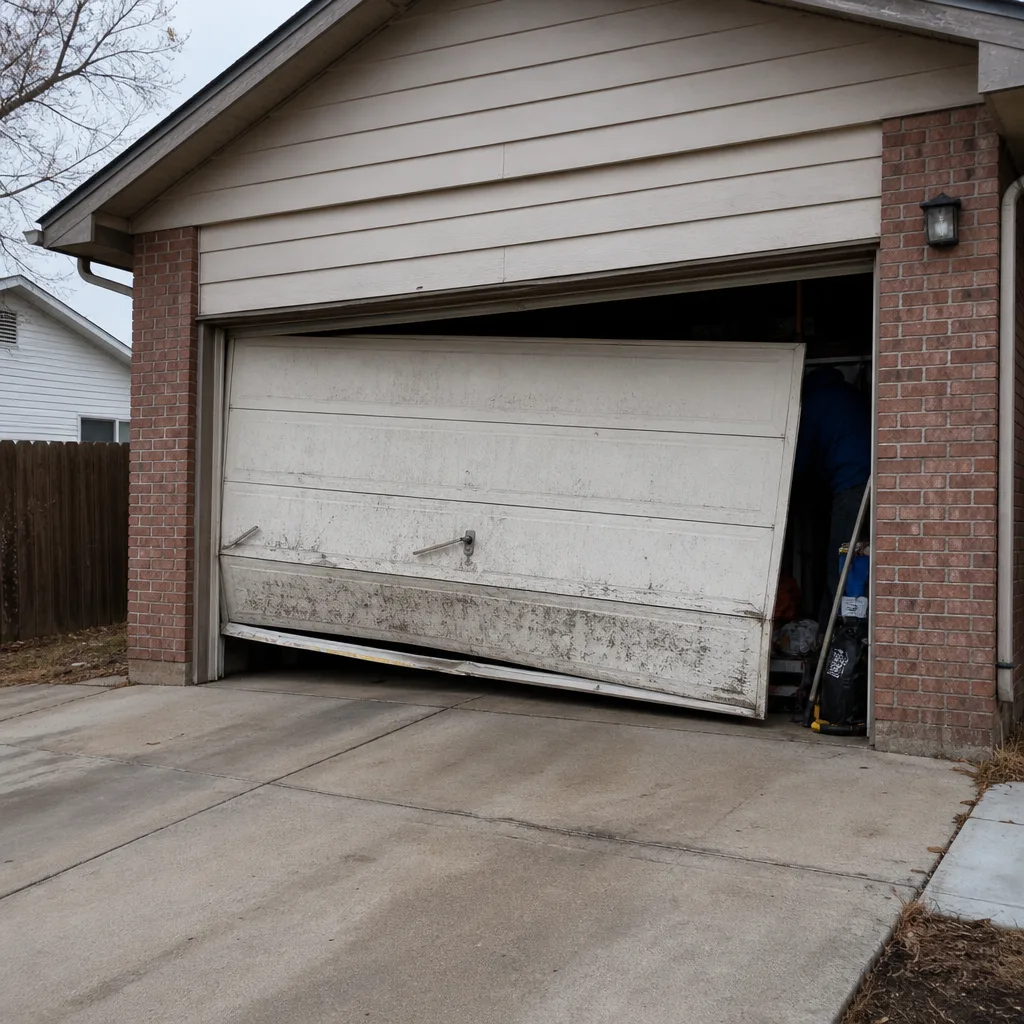
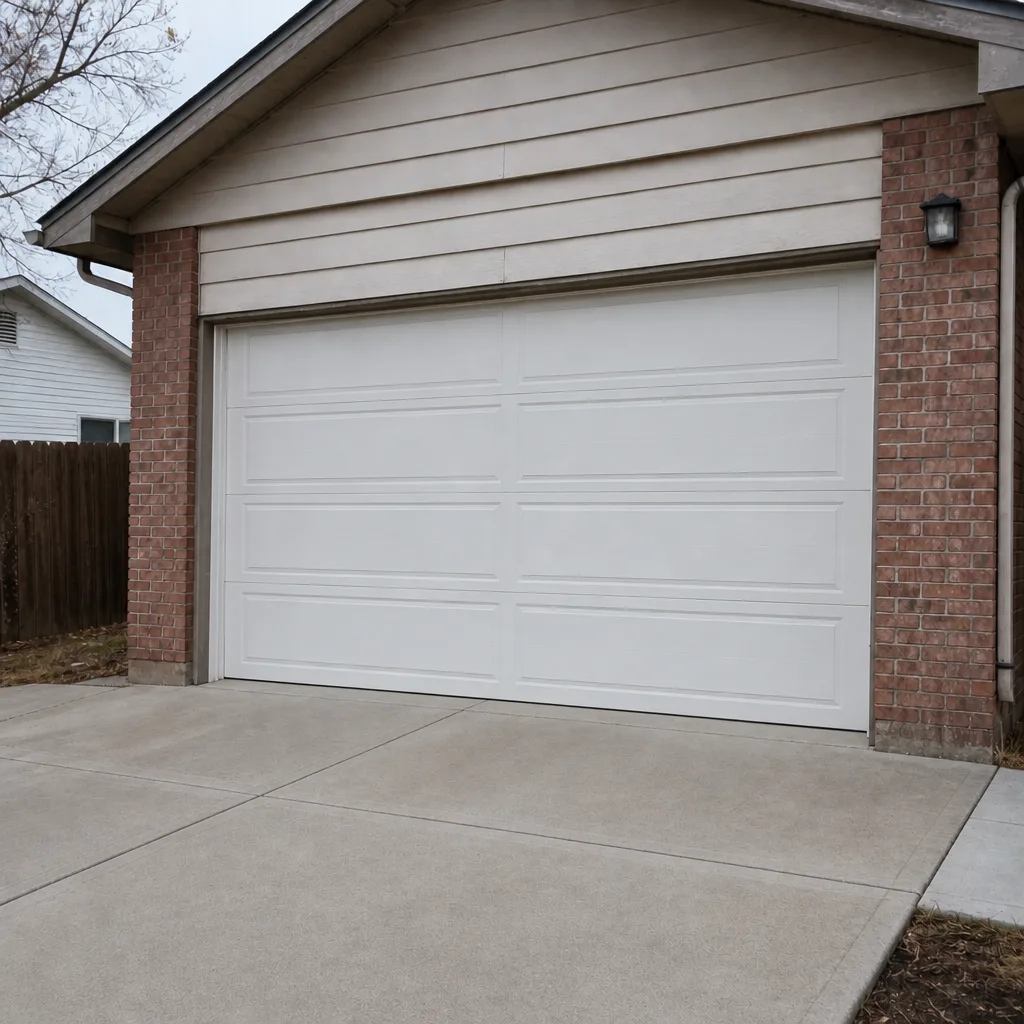
See the difference
 Before
 After
 Before
 After
 Before
 After
When to Call a Professional
Call a professional when the door is under tension – springs and cables are high-tension components and that’s not a DIY repair – when the door has come off its track, when a panel or section has buckled, or when your Craftsman or Chamberlain opener runs but the door doesn’t move correctly. Those are the situations where a trained technician is the right call. Call a professional earlier rather than later if the door has been struggling for a while, since we frequently see a small problem turn into a bigger repair after a freezing stretch has put extra load on tired hardware.
And call before you commit to any structural change, so the scope, the permit question, and the written estimate all get settled together. Garage Door Repair Centennial Pros offers free estimates in Centennial – call (844) 575-1130 and we’ll walk you through what applies to your address. Our technicians have up to 15 years of experience with the hardware already in your garage.
Frequently Asked Questions
In most cases, no. Replacing a door in the same opening with no change to framing or structural elements is considered a component replacement, not construction. If the opening dimensions change, if the framing or header is altered, or if the door is part of a fire-rated assembly between the garage and living space, a permit generally applies. Confirm with the City of Centennial building department for your specific address. Call (844) 575-1130 for a free estimate and we’ll flag whether your job looks structural.
If your garage is attached to the house, the wall and door between them are part of a fire separation assembly, and the door must maintain that rating. A solid-core rated door with the correct self-closing or self-latching hardware is what typically qualifies. A standard hollow-core interior door will not meet the requirement. Ask the building department which rating and labeling they require for your address.
Yes, and these are two separate approvals. The city permit addresses whether the work is structurally and electrically sound. The HOA architectural review addresses whether the door style and color comply with the community’s covenants. Many Centennial neighborhoods are covenant-controlled, so you’ll want written HOA approval before ordering the door. Call (844) 575-1130 and we’ll talk through what specs your HOA request usually needs.
It’s a real transaction problem, not just a paperwork problem. The work may surface at title search, appraisal, or inspection, and buyers can require that it be brought up to current code at your expense before closing. Colorado seller’s property disclosure obligations apply, and failing to disclose a known unpermitted structural issue creates legal exposure. Get the scope inspected and permitted now rather than negotiating it under pressure later.
We can tell you whether the job is mechanical or structural, which is the decisive question. Every job is different, so we scope it free before anything is booked – call (844) 575-1130 and we’ll give you a written estimate with the permit picture in writing.
No. Spring replacement, cable work, track adjustment, roller replacement, and opener service are all mechanical repairs and don’t require a building permit. Springs and cables are under extreme tension, so this is definitely not a DIY repair – it needs trained technicians with the right tools. We handle spring work in-house and we’re familiar with the spring systems on the major brands in Centennial garages. Call (844) 575-1130 for a free estimate.
The Bottom Line
The permit question comes down to scope, not cost. Replacing a door in the same opening is normally a mechanical job with no permit involved. Changing the structure, changing the opening, or altering a fire-rated assembly between the garage and the house usually does require a permit and inspection, and clearing your HOA review is a separate step again. Confirm the jurisdiction with the City of Centennial or Arapahoe County, get the permit situation in writing, and keep the signed-off inspection record with your closing documents. The 20 minutes of due diligence at the front end is the difference between a straightforward install and a renegotiation at resale. If you’re planning the work, we’ll scope it free and give you a written estimate before any work starts.
Contact Us
Have a garage door question about permits, hardware, or a door that’s already failing? Call Garage Door Repair Centennial Pros at (844) 575-1130 for a free estimate. We work on the brands already in your garage, including LiftMaster, Chamberlain, Raynor, and Craftsman, and we’ll tell you straight whether you’re looking at repair or a permitted structural project. Garage Door Repair Centennial Pros – we connect you with local professionals who do this work all day and every day.
Written by the team at Garage Door Repair Centennial Pros.