Last updated November 22, 2026
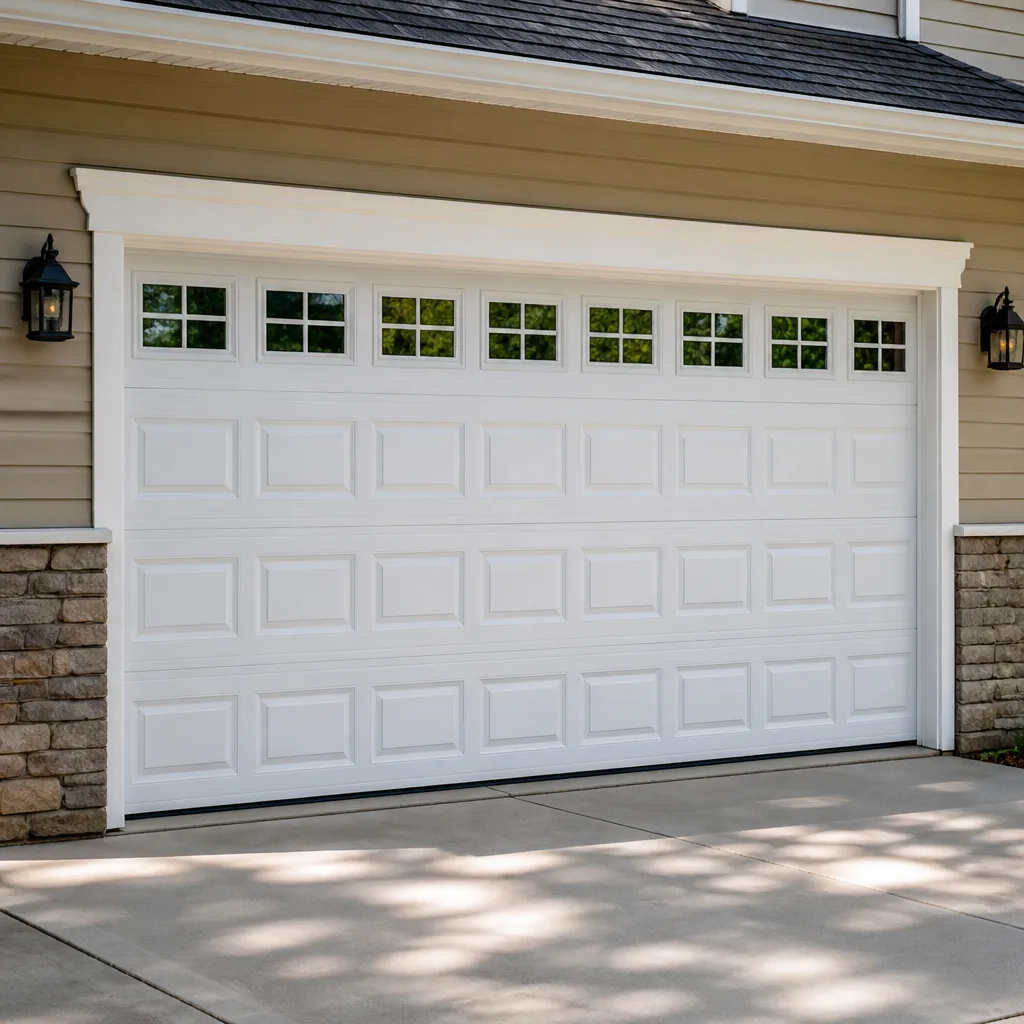 Raised-panel steel
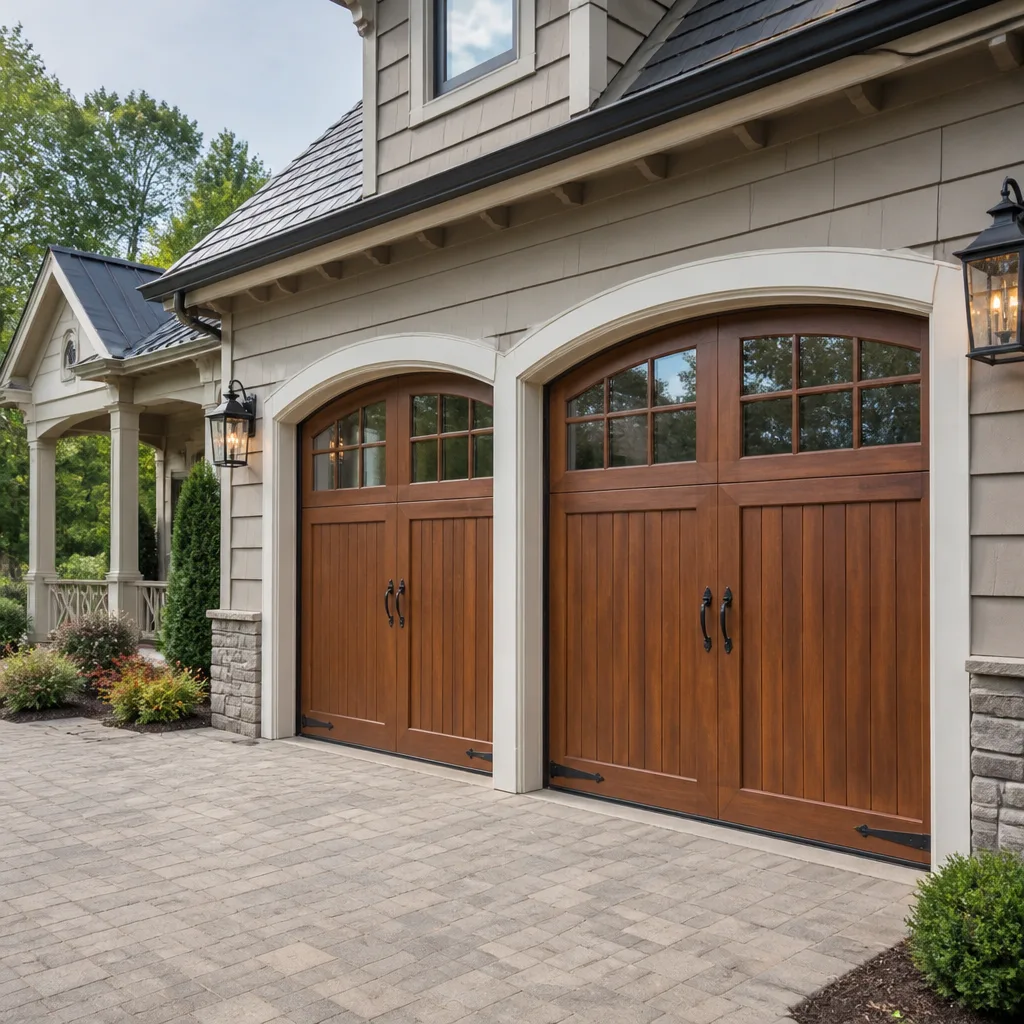 Carriage house
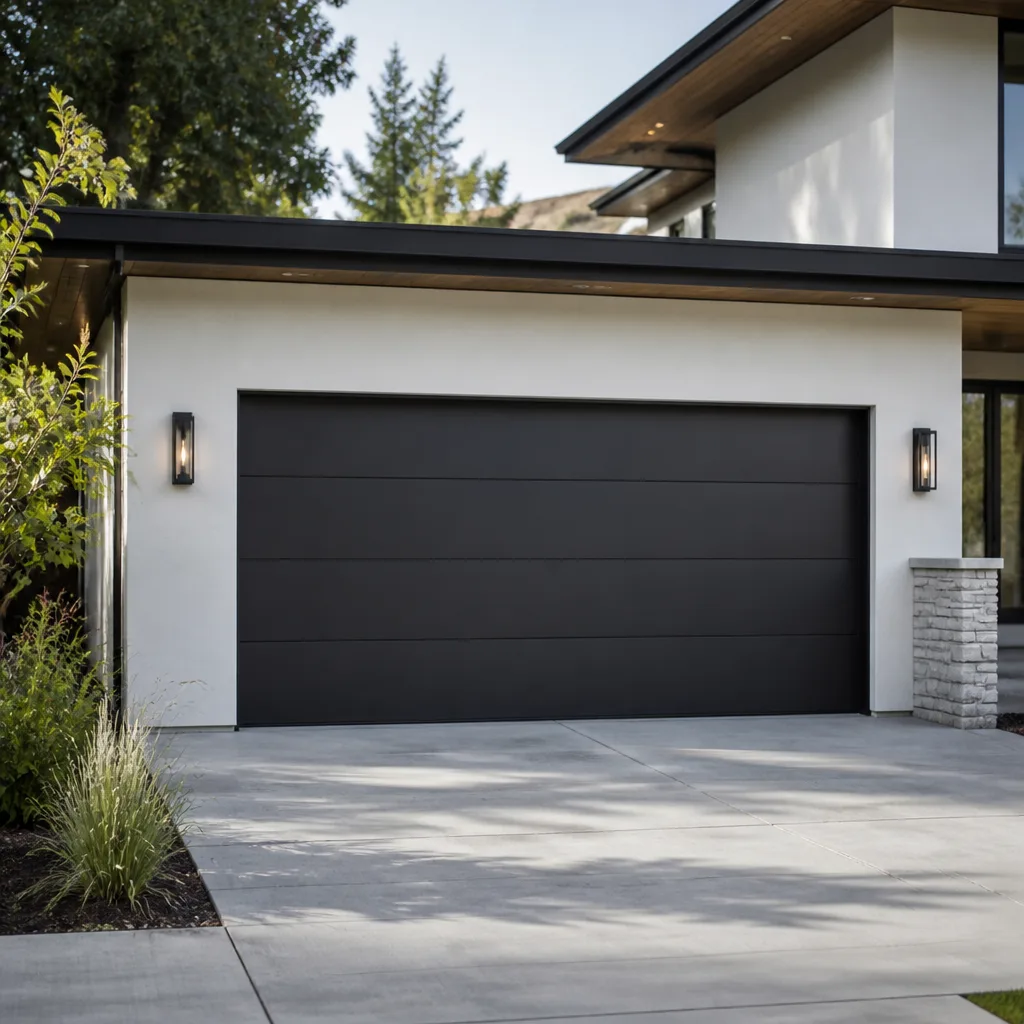 Modern flush
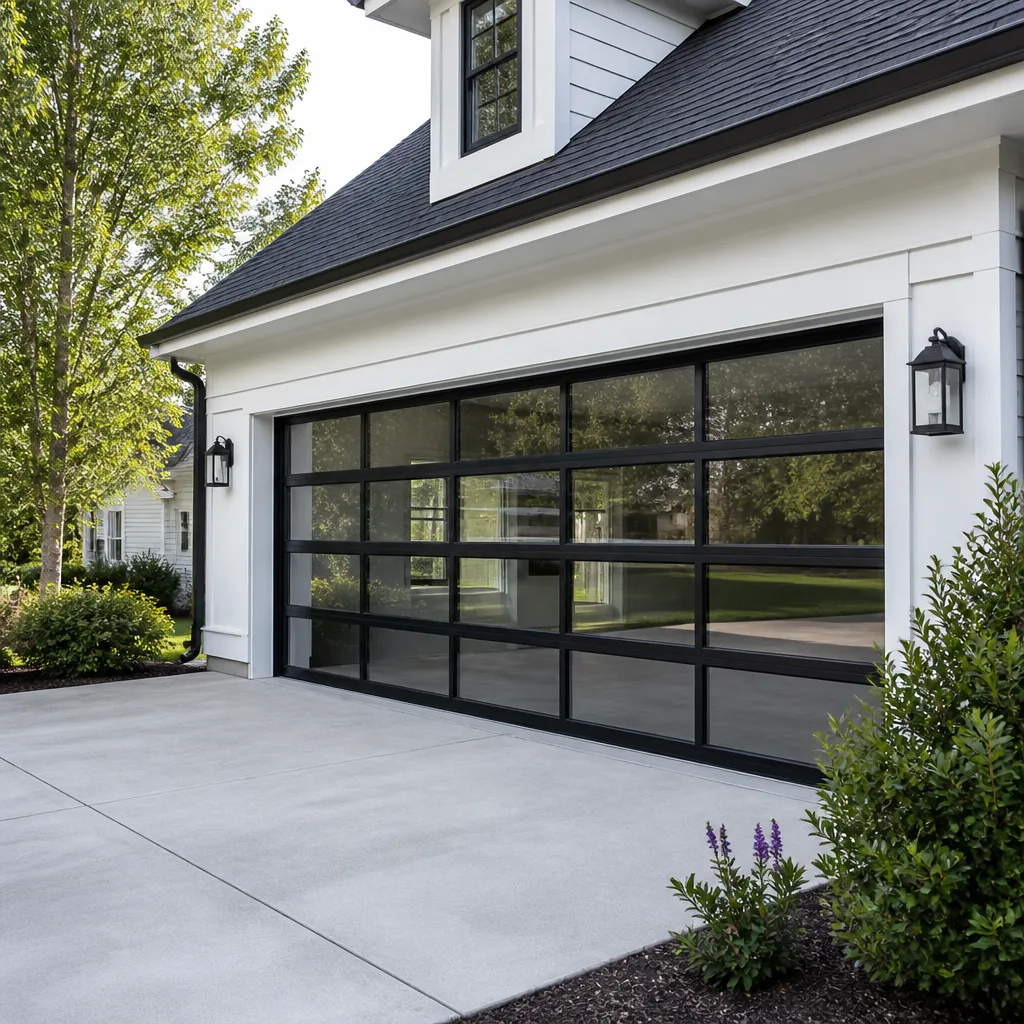 Full-view glass
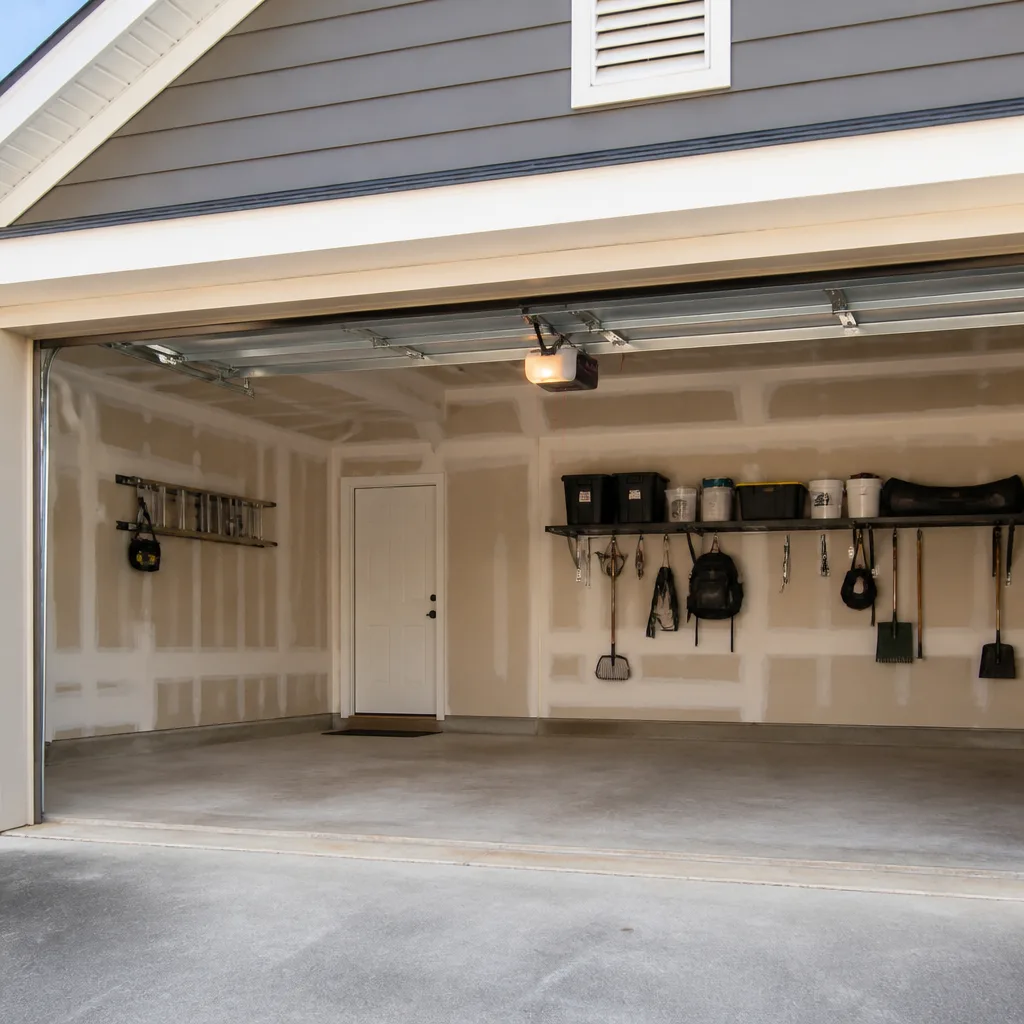 LiftMaster openers
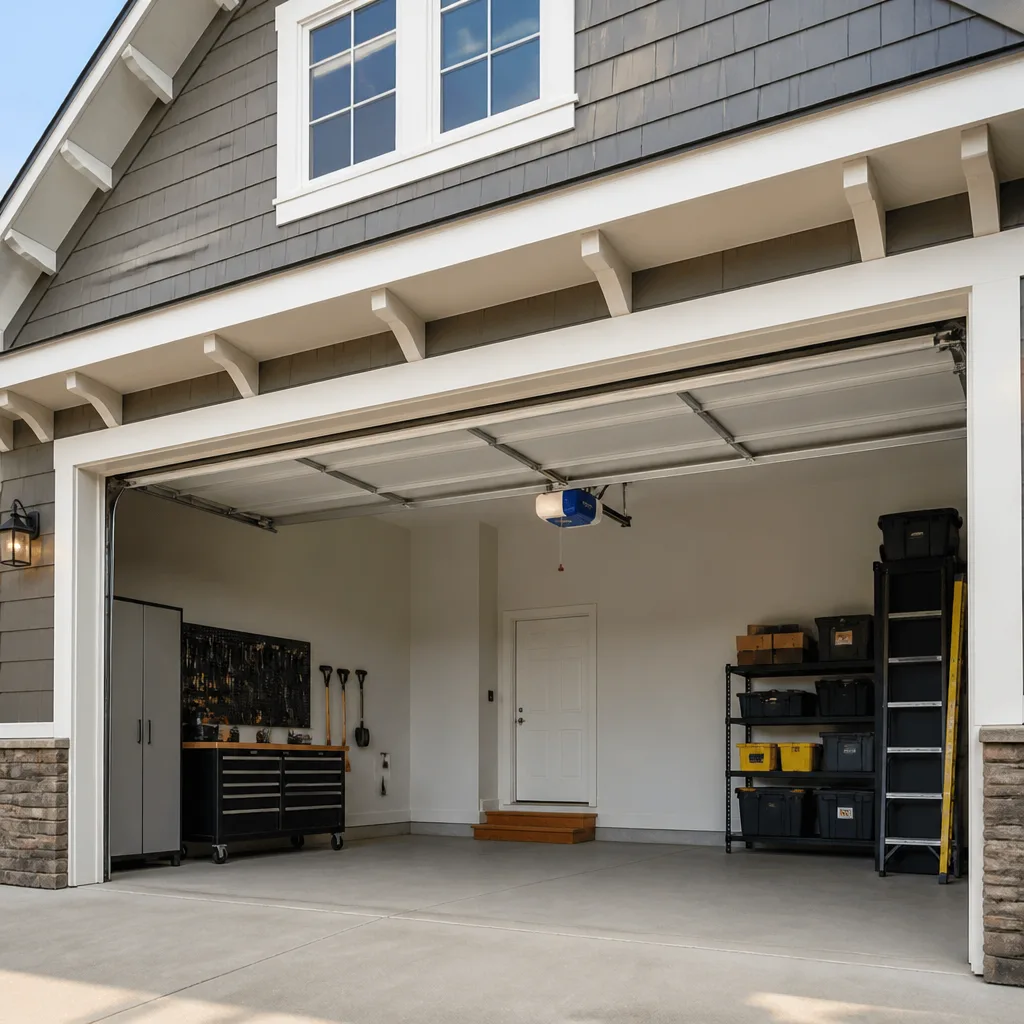 Chamberlain openers
Full 25-point door and opener safety check with every visit - springs, cables, rollers, tracks, and your LiftMaster or Chamberlain opener included
You get a price before we start. It does not change when the pro arrives.
Get your free estimateChoosing the Right Garage Door Brand: A Buyer’s Guide for Centennial
Most homeowners shopping for a new garage door start with the brand with the loudest reputation nationally. That’s the wrong starting point. The brand that wins reviews on a national site can be a difficult choice in Centennial if the nearest authorized service technician is a long drive away, because a warranty claim that needs manufacturer dispatch instead of a local tech can sit for weeks. We work on garage doors every day in this market, and we’ve watched which brands hold up, which parts are on a shelf nearby, and which warranty calls get answered fast. What follows is what actually differentiates brands in Centennial: local parts availability, certified technician coverage, warranty service response, material fit for our climate, and HOA rules that narrow your options before price even enters the conversation.
Quick Answer
The right garage door brand for a Centennial home is the one with a certified or factory-familiar service technician close by, parts that are easy to source locally, and a warranty that can be honored by a local pro rather than a manufacturer dispatch. In practice, brands like Clopay, Amarr, Wayne Dalton, and LiftMaster/Chamberlain tend to score well in Centennial on parts access and service coverage. The door style and brand should also clear your HOA’s architectural guidelines and suit our hail and freeze-thaw climate before you compare price.
Styles & brands we work with
- Raised-panel steel
- Carriage house
- Modern flush
- Full-view glass
- LiftMaster openers
- Chamberlain openers
Table of Contents
- Why Brand Choice Matters More After Installation Than Before
- The Eight Major Brands Serviced in Centennial
- What Manufacturer Certifications Actually Do for You
- Matching Materials to Centennial’s Climate
- When the Door Brand and Hardware Brand Don’t Match
- How HOA Guidelines Constrain Your Brand Options
- A Step-by-Step Way to Choose a Brand
- Common Mistakes to Avoid
- When to Call a Professional
- Frequently Asked Questions
Why Brand Choice Matters More After Installation Than Before
A garage door is one of the few purchases in a home where the brand you pick matters less on the day it’s installed and more on the day it breaks. The panel finish and the opener motor get all the attention at the showroom. The real test comes years later, when a torsion spring snaps, an opener logic board fails, or a hinge wears through and something has to be fixed quickly, ideally the same day.
That test depends on three things that have very little to do with the door’s appearance:
- Parts availability. Can a local technician get the replacement spring, cable, roller, or opener control board without a special order and a long lead time? Some brands share parts across models and are easy to stock. Others use model-specific components that take longer to source.
- Technician coverage. Is there a factory-familiar or certified technician within reasonable driving distance of Centennial? If not, a warranty claim can turn into a manufacturer dispatch, which may mean weeks of waiting rather than an appointment.
- Warranty service response. A warranty is only as good as the turnaround when it’s invoked. A brand with a generous written warranty but no local service pathway is a harder warranty to actually use.
We’ve watched this play out across Centennial’s subdivisions. The brand that performs well on a national review site and the brand that gets fixed fastest in this market aren’t always the same. When you’re comparing options, ask each installer one question first: who services this brand locally, and how quickly can they get here? The answer tells you more than any brochure. If you’d like a straight read on what’s already in your garage, our Garage Door Repair Centennial Pros page is a good place to start.
The Eight Major Brands Serviced in Centennial
We’re factory-familiar with eight of the best-known names in the trade: LiftMaster, Chamberlain, Genie, Clopay, Amarr, Wayne Dalton, Craftsman, and Raynor. That range matters because most homes in Centennial have one door brand and a different opener brand, and each one has quirks that a general handyman won’t know. Knowing which brand is on your door and your opener means the technician diagnoses the actual fault rather than guessing at a generic symptom.
Here’s how the eight break down by what they are and how they tend to behave in this market:
- LiftMaster and Chamberlain are opener brands (they share a parent company and, often, similar logic boards and accessories). They’re common in Centennial, and parts and service knowledge for them are easy to find locally.
- Genie is another major opener brand. It’s reliable, but its parts and accessories differ enough from LiftMaster/Chamberlain that mixing kits or remotes can create compatibility headaches.
- Clopay and Amarr are door manufacturers known for a range of residential steel and composite doors. Both are widely installed and generally support a clear service pathway for warranty and parts.
- Wayne Dalton makes both doors and openers, including the integrated TorqueMaster spring system on many of its doors, which changes how a spring repair is approached.
- Craftsman openers are extremely common in older Centennial homes. Many are reliable workhorses, but sourcing parts for discontinued models can take longer than for current brands.
- Raynor is a door manufacturer with a solid reputation for durability. Its install base is smaller, so checking local service coverage before choosing it matters more than for a higher-volume brand.
The practical takeaway: a big brand with wide local coverage is easier to service than an excellent brand with thin coverage. In Centennial, Clopay, Amarr, Wayne Dalton, Genie, and LiftMaster/Chamberlain tend to be the easiest to service quickly.
What Manufacturer Certifications Actually Do for You
A brand certification is a service credential, not a marketing badge. Programs like LiftMaster ProVantage (for openers) and Clopay 5-Star (for doors) signal that a dealer or technician has met the manufacturer’s training and, in some cases, business requirements. Operationally, that usually translates into faster access to parts, more accurate warranty handling, and sometimes a longer warranty on the product itself when installed by a certified party. That last point is the one homeowners miss most.
Here’s how certification shows up in practice when something fails:
- Accuracy on warranty validity. A certified installer generally knows exactly which warranty terms apply to your door or opener, and which don’t. That reduces the chance of a claim being denied for an installation or use detail nobody flagged.
- Parts ordering speed. Certified or factory-familiar technicians often get replacement parts faster because they know exactly which part number to order and from whom.
- Fewer dispatch delays. A local certified or factory-familiar tech can often handle the claim directly. If the brand requires manufacturer dispatch, expect a much longer wait.
- Consistent installation quality. Certification programs typically include installation requirements (balancing, track alignment, spring tensioning). Done right, that cuts future service calls.
One caution: certification doesn’t automatically mean a dealer is the right fit for you. Some programs are dealer-level and don’t strictly cover every technician who touches your door. So the useful question isn’t only “is this person certified?” but “who is authorized to do warranty work on this brand near Centennial, and how quickly can they be here?” If a brand only has one certified dealer who is booked out weeks, your warranty may be honored on paper but slow to actually use. That’s exactly why we emphasize factory familiarity across the eight major brands rather than exclusive status with any one of them: it lets us service the brand already in your garage, including for our garage door opener repair work.
Matching Materials to Centennial’s Climate
Most brand comparisons use national averages for climate stress. Centennial doesn’t have an average climate. The combination of intense summer sun, frequent hail, big swings between daytime highs and overnight lows, and freeze-thaw cycles in winter works on a door differently than a coastal or mild-winter market does. Material choice should follow those conditions, not a national materials chart.
Here’s how the main door materials hold up against what a Centennial door actually faces:
- Steel (steel gauge matters). Steel is the most common residential material for good reason: durable, paint-friendly, and relatively low-maintenance. In Centennial, hailstorms are the main stressor. A thicker gauge (numerically lower) resists dents better than a thinner one, and a factory-applied finish tends to outlast a field-painted one under heavy sun. Insulation also matters here: a well-insulated steel door helps moderate garage temperature during hot summers and cold snaps.
- Wood composite. Composite doors offer the look of wood without the refinishing cycle real wood demands. That’s a plus in our sun, which is hard on natural wood finishes. Composite still needs periodic care, but far less than raw wood. They’re a good match for Centennial homes where appearance matters and maintenance time is short.
- Aluminum. Lightweight and rust-resistant, aluminum works well for certain styles but can dent more easily than steel in a hail event. It’s often chosen for its appearance, so confirm the dent resistance with your installer before deciding.
- Fiberglass. Fiberglass resists dents and is lighter than steel. It can work well in hail-prone areas, but quality and finish vary widely between brands, so ask about the specific product and warranty.
Whatever material you choose, ask how it handles hail, UV exposure, and freeze-thaw. A brand that performs well in a mild climate can be a poor match for a Centennial summer and winter. This is also where installation quality compounds: a heavier, insulated door demands correct torsion spring sizing and track alignment, which is why full garage door installation is a job for a dedicated garage door technician rather than a general contractor.
When the Door Brand and Hardware Brand Don’t Match
Most garages have two brands, not one: the door manufacturer and the opener manufacturer are frequently different. That’s normal, not a defect. A Clopay door with a Genie opener is a completely ordinary pairing. The mismatch becomes an issue when a service job assumes one brand’s hardware standard and finds another brand’s parts underneath.
Where this causes real complications:
- Springs and torsion systems. Springs are sized by weight and cycle life, and some door brands use proprietary spring systems. Wayne Dalton’s TorqueMaster system, for example, uses an enclosed spring design that a technician has to recognize before working on it. Assuming a standard torsion setup can slow the repair or lead to the wrong parts.
- Opener access and wiring. Older opener brands or discontinued Craftsman models sometimes have wiring configurations or control boards that differ from current models. A generalist may try to swap parts that don’t match.
- Safety sensors and remotes. Remotes, keypads, and safety sensors are brand-specific. Mixing parts across opener brands is one of the more common driveway-repair failures, and it’s avoidable when the technician identifies the opener first.
The mismatch itself isn’t a problem. The problem comes when nobody identifies both brands before work starts. We do that on every job because the door brand and the opener brand each tell us something the other doesn’t. On the spring side specifically, the handling depends on the door and spring system, not the opener brand, which is why garage door repair that includes spring work should always start with a full system check.
How HOA Guidelines Constrain Your Brand Options
In many Centennial subdivisions, the HOA narrows your choice before price or brand ever enters the conversation. Architectural guidelines commonly specify door color, panel style, window configuration, and sometimes material. That’s why the right order of decisions is: read your HOA guidelines, then choose a brand that matches, then compare installers and price. Doing it in reverse leads to a door you can’t install.
Here’s how to work through it:
- Get your HOA’s architectural guidelines in writing. Ask specifically about garage door replacement rules. Many HOAs have a separate page or checklist for doors and windows.
- Note every visual constraint. Color (down to the shade family), panel style, window style, and material are the usual ones. Some also control the finish or restrict reflective materials.
- Submit the application before ordering. Most HOAs require an architectural review request, with your chosen door’s spec sheet or photo, before installation. Do this early. A brand with a wide catalog usually makes it easy to find a compliant style.
- Confirm the door brand and model match the approved application. Swapping models at installation time is a common way to fail the review or get told to redo a door.
- Keep the approved paperwork. It’s useful if a future repair or warranty conversation ever needs to prove what was installed.
HOA rules also affect brand indirectly. A brand with a broad catalog of panel styles and colors is easier to match than one with a narrow line. Clopay and Amarr, for example, usually offer enough style variety to satisfy standard subdivision requirements. If you’re unsure whether a specific brand or model will pass, your installer can typically tell you which styles they see approved most often in Centennial communities.
A Step-by-Step Way to Choose a Brand
This is the order we recommend. It pushes the decision from “which name looks best in a review” toward “which brand gets fixed fast in Centennial.”
- Read your HOA rules first and list every style, color, and material constraint. If you’re not in an HOA, list what your home’s exterior design calls for.
- Check local service coverage. For each brand you’re considering, confirm there’s a factory-familiar or certified technician nearby. Ask how warranty claims are handled locally.
- Confirm parts availability. Ask your installer whether the parts for that brand and model are easy to source locally or if they’re special-order items.
- Match the material to our climate. Weigh steel gauge, wood composite, aluminum, and fiberglass against hail, sun, and freeze-thaw. Ask how the product holds up specifically in a Colorado Front Range climate.
- Check the warranty fine print. Understand what’s covered, for how long, and whether it depends on installation by a certified technician. This is where brand differences become real money.
- Look at opener compatibility. If you’re replacing the opener too, confirm the brand pairings will work together without adapter headaches.
- Compare written estimates. Get the price in writing before any work starts, including what happens if the door needs different parts than expected.
Working those seven steps in order prevents most of the bad outcomes we see. For a new door, the technician who does the installation should be able to give you a written estimate after measuring, and the estimate should name the exact brand and model. That’s the single most useful document you’ll have if something goes wrong later.
Common Mistakes to Avoid
- Choosing on national reviews alone. A brand with glowing national reviews but no local technician can mean weeks of waiting on a warranty claim. Check local coverage before you fall in love with a brand’s rating.
- Ignoring the HOA rules until after the sale. Buying a door your association won’t approve means reordering or fighting a review board. Pull the guidelines before you shop.
- Assuming a brand warranty covers installation errors. Many warranties have specific installation requirements. If a general handyman installed the door incorrectly, the claim can be denied. Use a garage door technician.
- Mixing opener and door brands without confirming compatibility. Remotes, keypads, and safety sensors are brand-specific. Confirm they’ll pair before ordering, especially with Genie openers, which use different accessories than LiftMaster and Chamberlain.
- Choosing a material for looks alone in a hail-prone area. A thin-gauge steel or aluminum door that dents easily can look worn quickly in Centennial’s hail season. Ask about dent resistance.
- Forgetting that a heavier, insulated door needs correctly sized springs. A door upgrade without matching the springs shortens spring life and safety. Have the whole system sized at installation.
- Skipping the written estimate. If the brand, model, and price aren’t in writing, it’s not a decision yet. Get it in writing and confirm nothing changes unless you approve it.
When to Call a Professional
Some garage door decisions genuinely belong with a specialist. If you’re comparing brands for a new door, a technician who works across multiple brands can tell you which ones service well in Centennial and which ones have thinner local support. If your HOA rules are complex, a technician who installs in your subdivision can tell you which styles and brands tend to get approved. And if the door is broken rather than being shopped for, the priority is diagnosis, not brand research. Springs are under extreme tension, and this is not a DIY repair; a snapped spring, cable, or track damage should go to a trained garage door technician.
We scope and execute every job with just that focus. When the door won’t move, we do. Garage Door Repair Centennial Pros offers free estimates in Centennial: call (844) 575-1130 and we’ll go over your options, the brand already in your garage, and the fastest path to a working door. Our technicians have up to 15 years of experience, and we’re familiar with the eight major brands, so the technician diagnosing your door already knows what’s on it.
Frequently Asked Questions
The best brand for a Centennial home is one with local certified or factory-familiar service coverage and easy parts availability, not just a strong national reputation. Clopay, Amarr, Wayne Dalton, and Genie are all well-supported locally and worth considering. Confirm the brand clears your HOA guidelines and ask your installer how warranty claims are handled nearby before you choose.
It matters most for warranty service and parts. A skilled technician can work on almost any brand, but if your door fails during its warranty period, the claim can depend on certified installation and local service coverage. Parts for some brands and discontinued models take longer to source, which can mean a longer wait when something breaks.
Yes. Many brand warranties require installation by a certified technician or dealer for the full warranty to apply. A big brand with excellent written terms but no local certified service pathway can be slow to honor a claim. Check who is authorized to work on the brand near Centennial and how quickly they can respond.
Yes. It’s common to have one brand on the door and another on the opener, and most pairings work fine. The key is making sure the technician identifies both brands before any work starts, because springs, remotes, sensors, and wiring are brand-specific. A Wayne Dalton TorqueMaster door, for example, needs to be recognized before a spring repair.
Insulated steel with a heavier gauge is the most common choice for its balance of durability, hail resistance, and energy performance. Wood composite offers a good look with less maintenance than real wood under our sun. Fiberglass and aluminum can work but vary by brand, so ask specifically about dent resistance before choosing.
Plan on a measured order: after measuring, the door is ordered, and installation is scheduled rather than done same-day. The exact timeline depends on the brand and model you choose. Your written estimate should include the expected schedule, so ask about lead times for your specific door before committing. Call (844) 575-1130 to get a measured, written quote.
The Bottom Line
Choosing a garage door brand in Centennial is really a decision about what happens after installation. The panel finish and the showroom look matter for a day. Parts availability, certified or factory-familiar local technicians, and warranty service response matter for the life of the door. Work in this order: HOA guidelines first, local service coverage second, material fit for our hail and freeze-thaw climate third, and price last. Confirm the door brand and opener brand on every estimate, and make sure everything is in writing before any work starts. Get those right and you’ll have a door that’s easy to live with and easy to service. When you’re ready for a straight answer, call (844) 575-1130 for a free estimate.
Written by the team at Garage Door Repair Centennial Pros.
See the difference
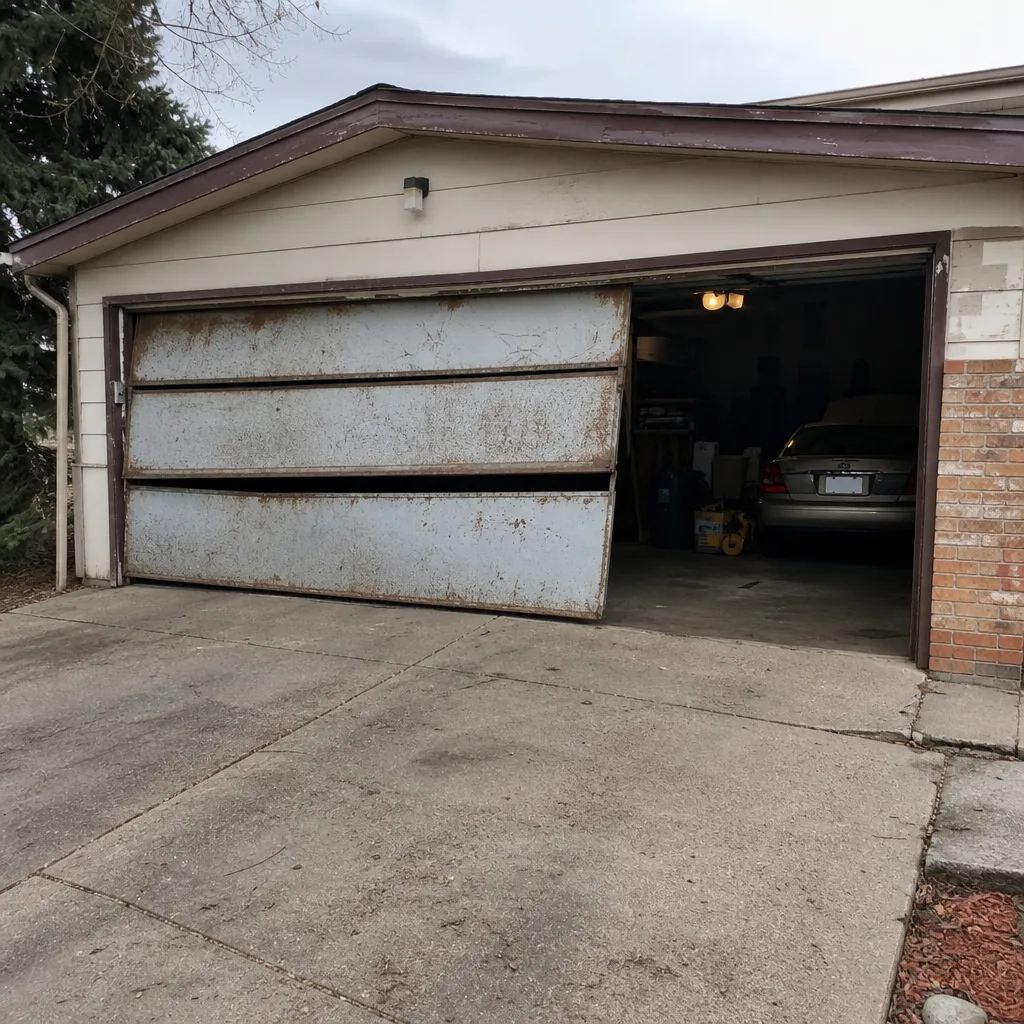 Before
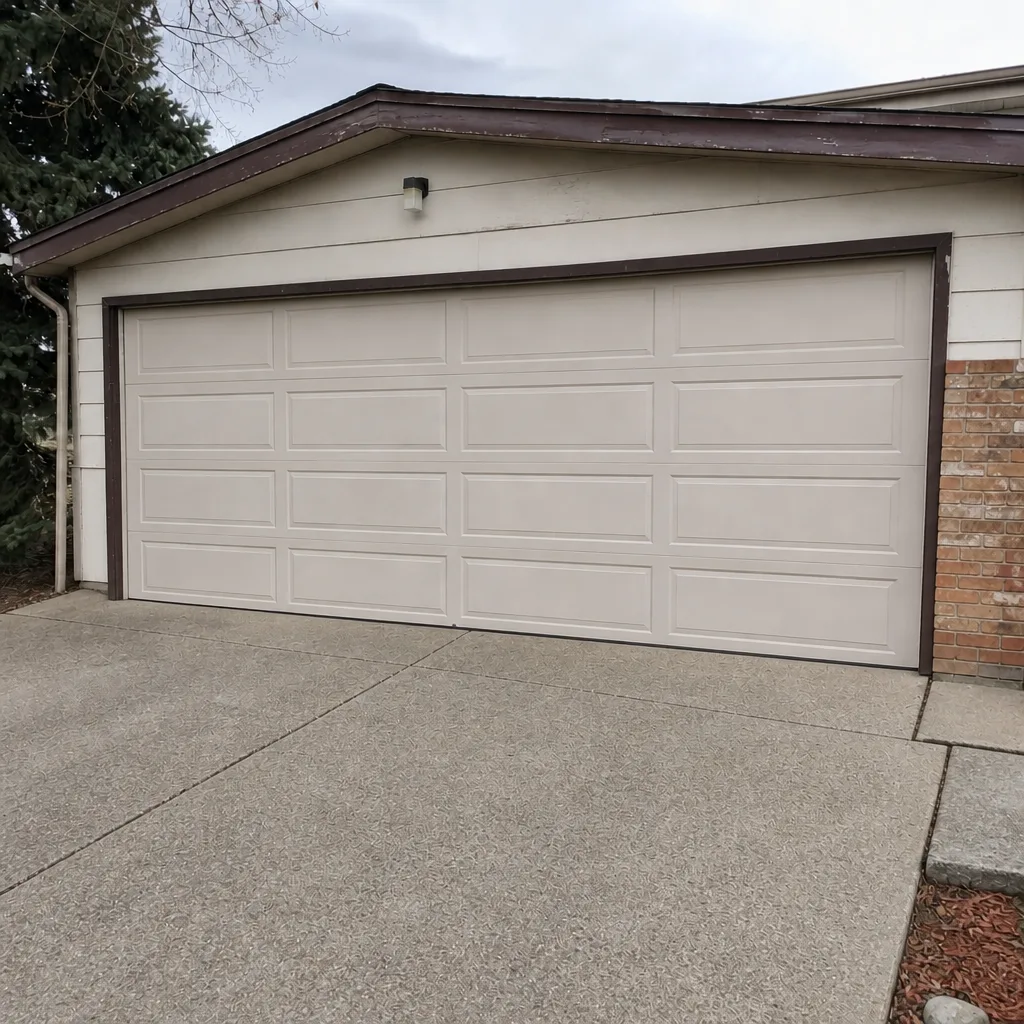 After
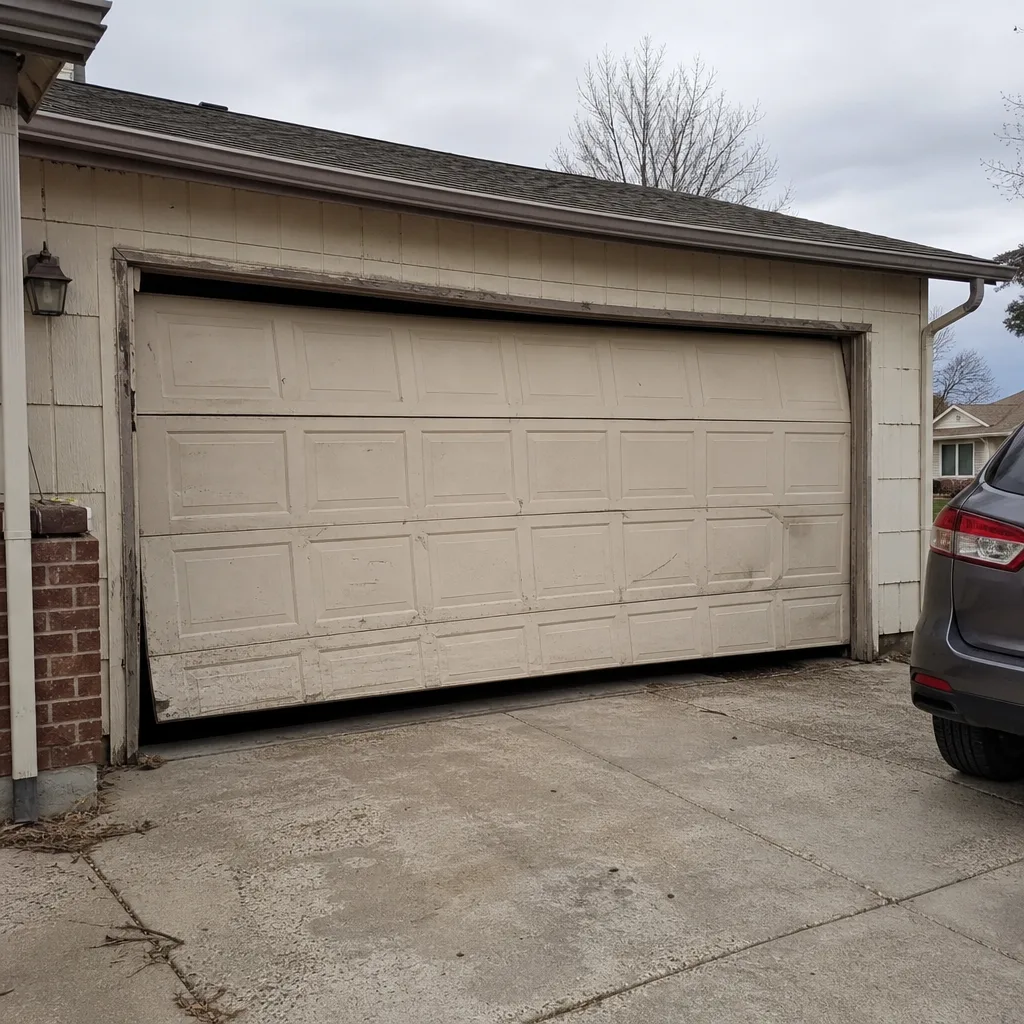 Before
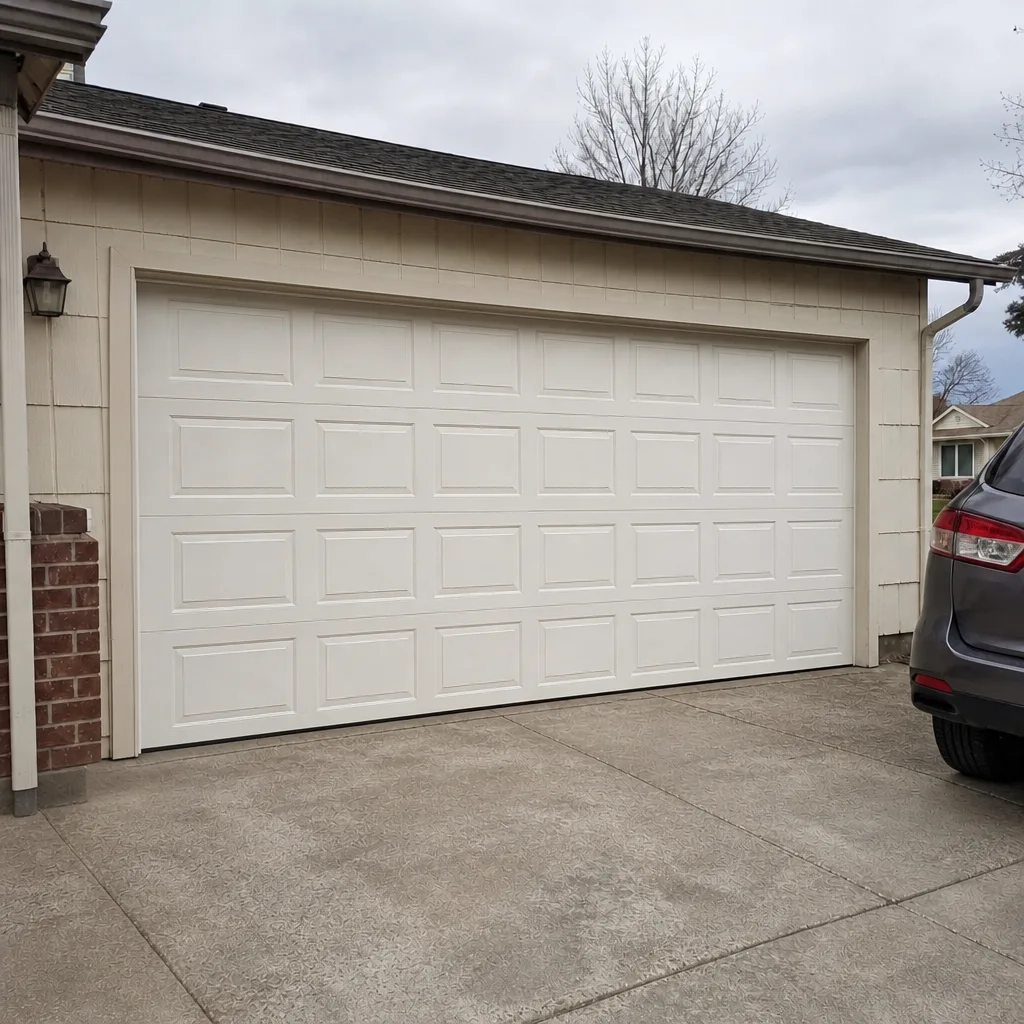 After
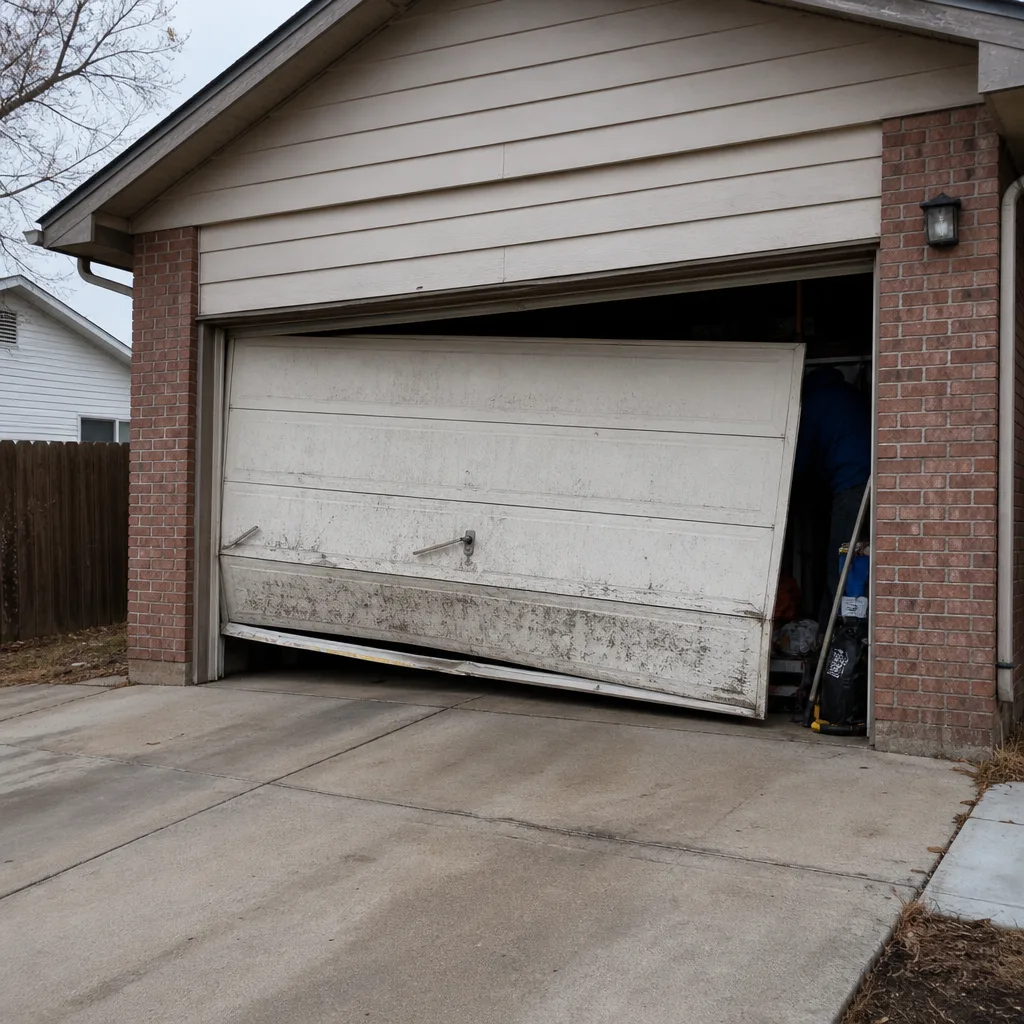 Before
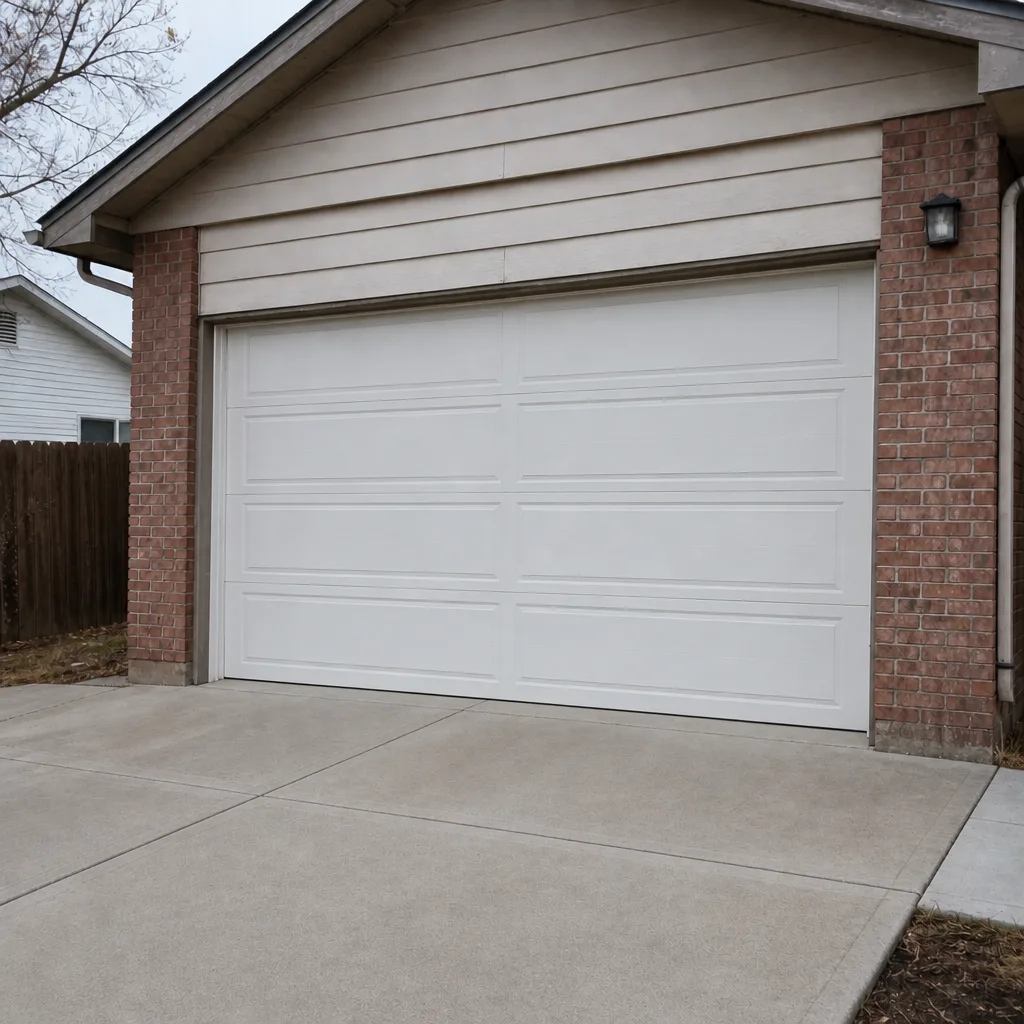 After