Last updated November 22, 2026
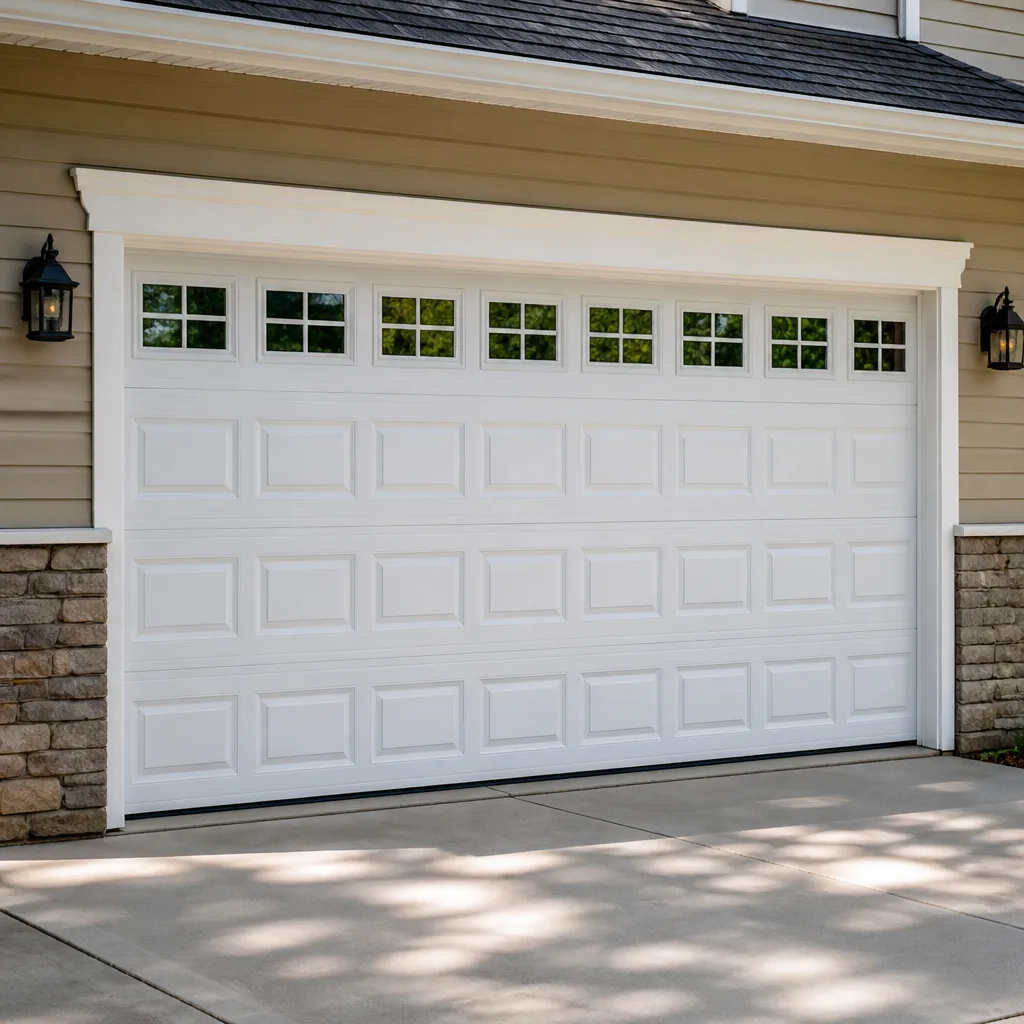 Raised-panel steel
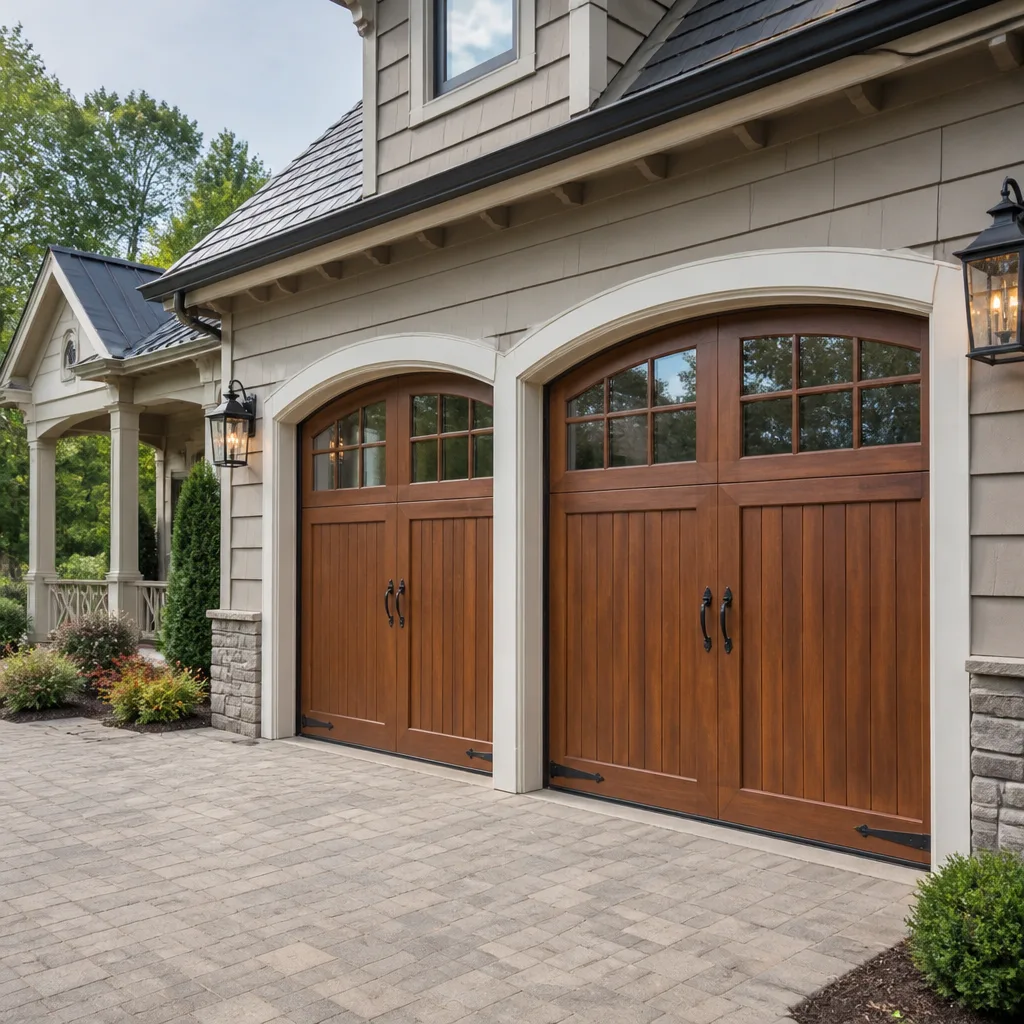 Carriage house
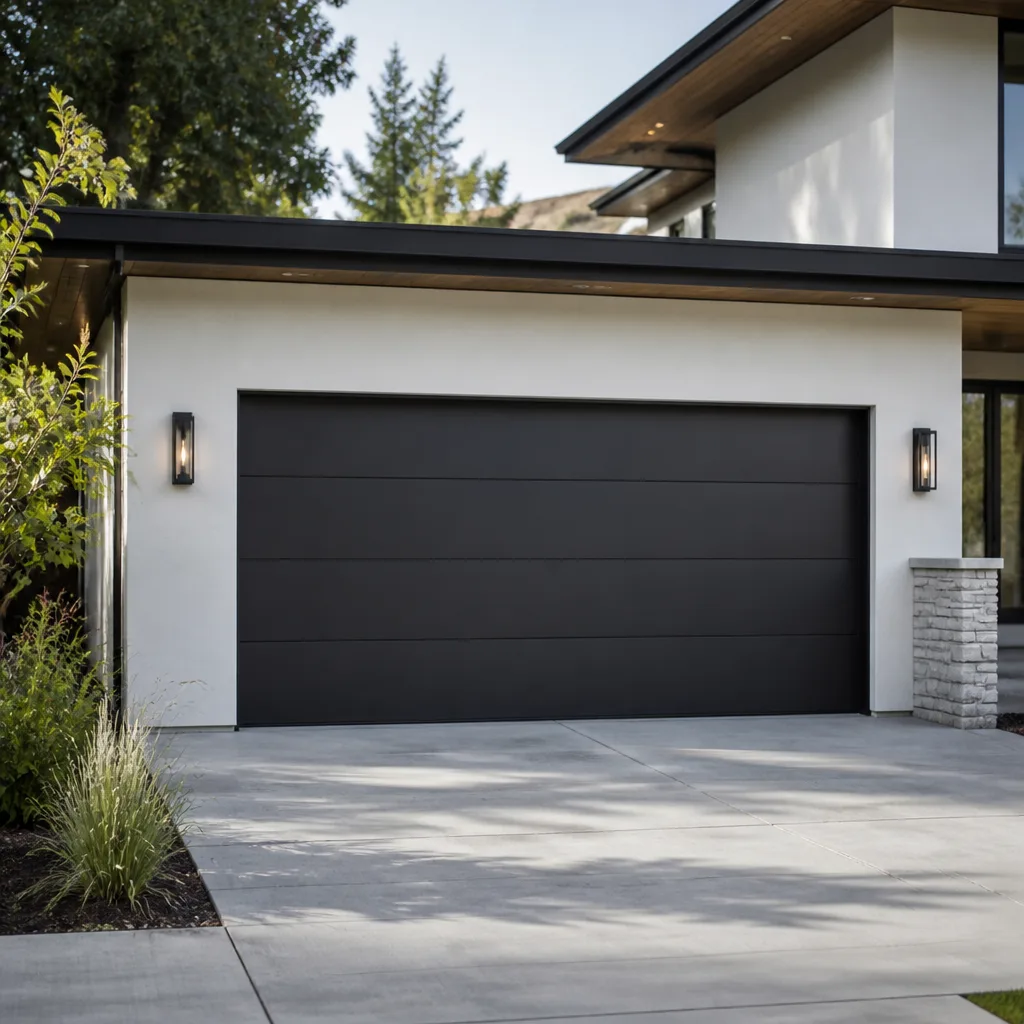 Modern flush
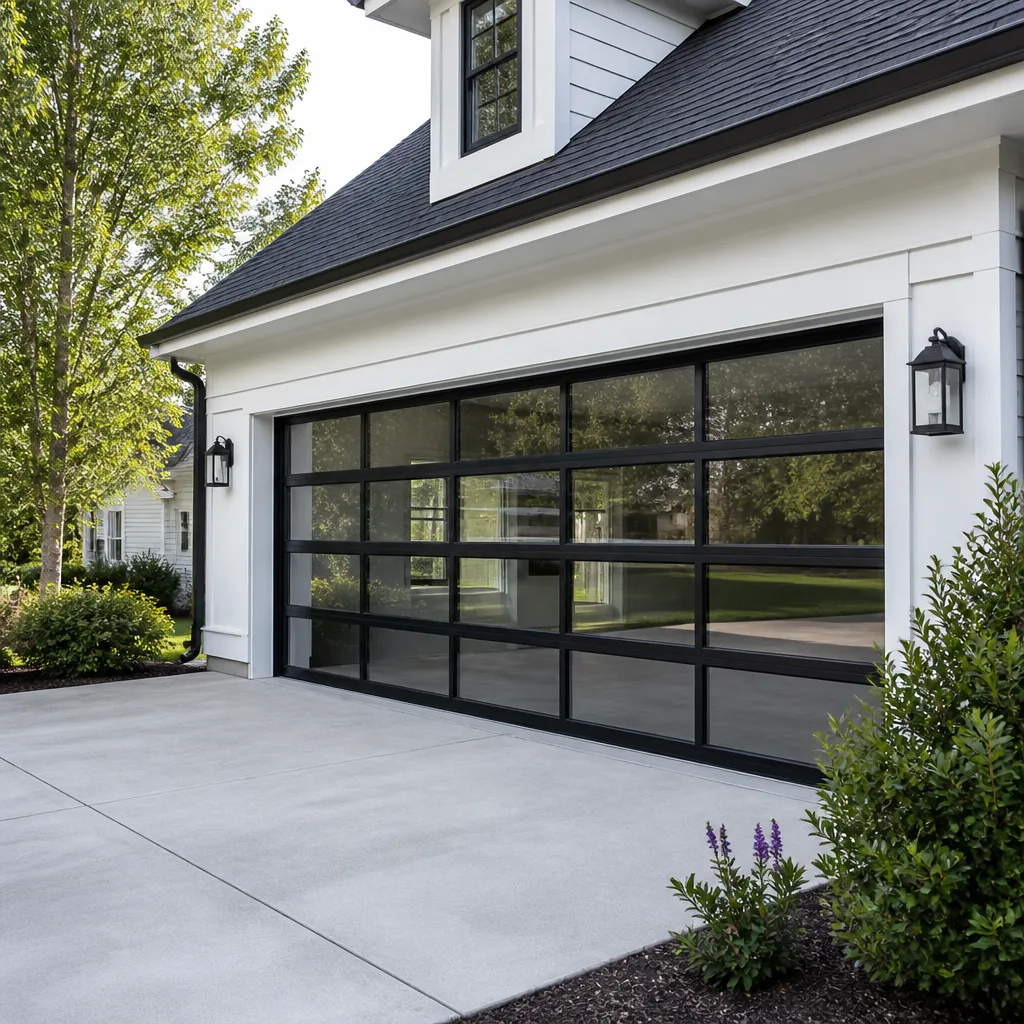 Full-view glass
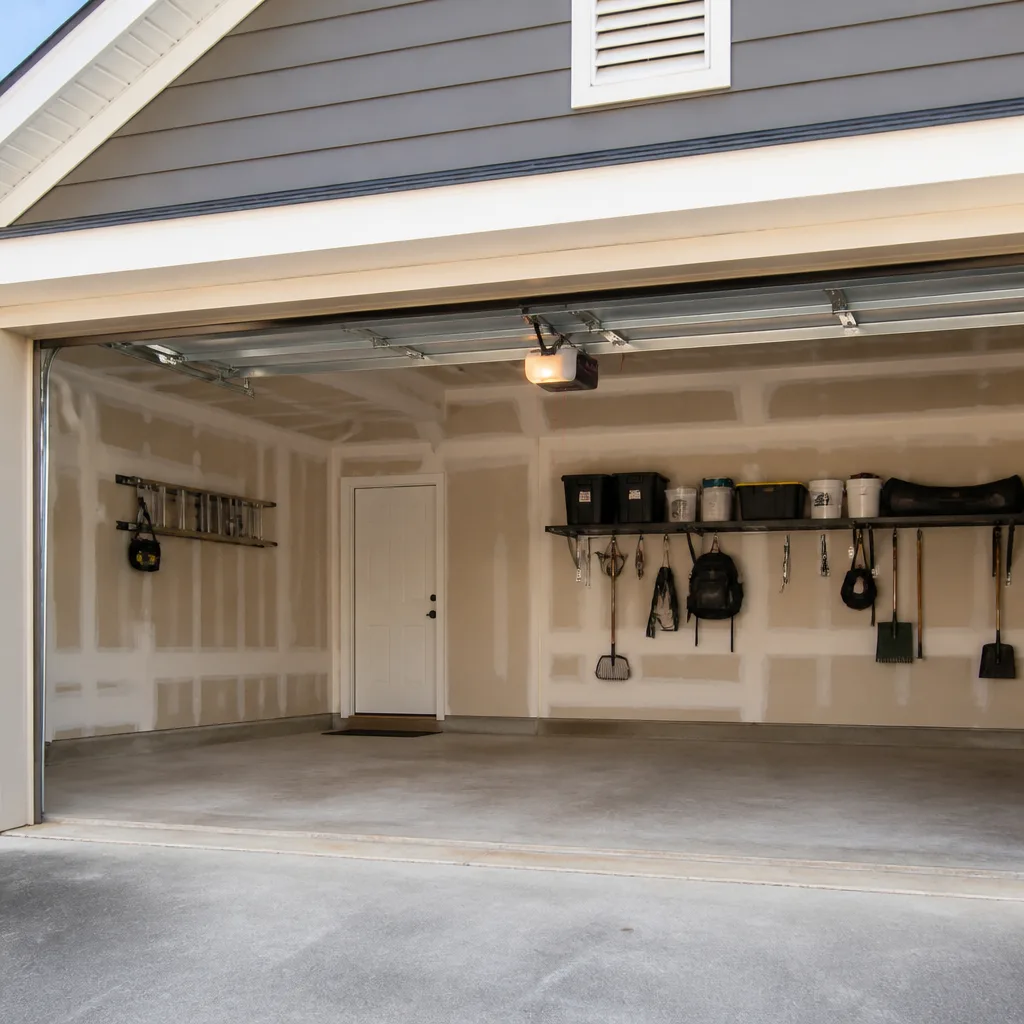 LiftMaster openers
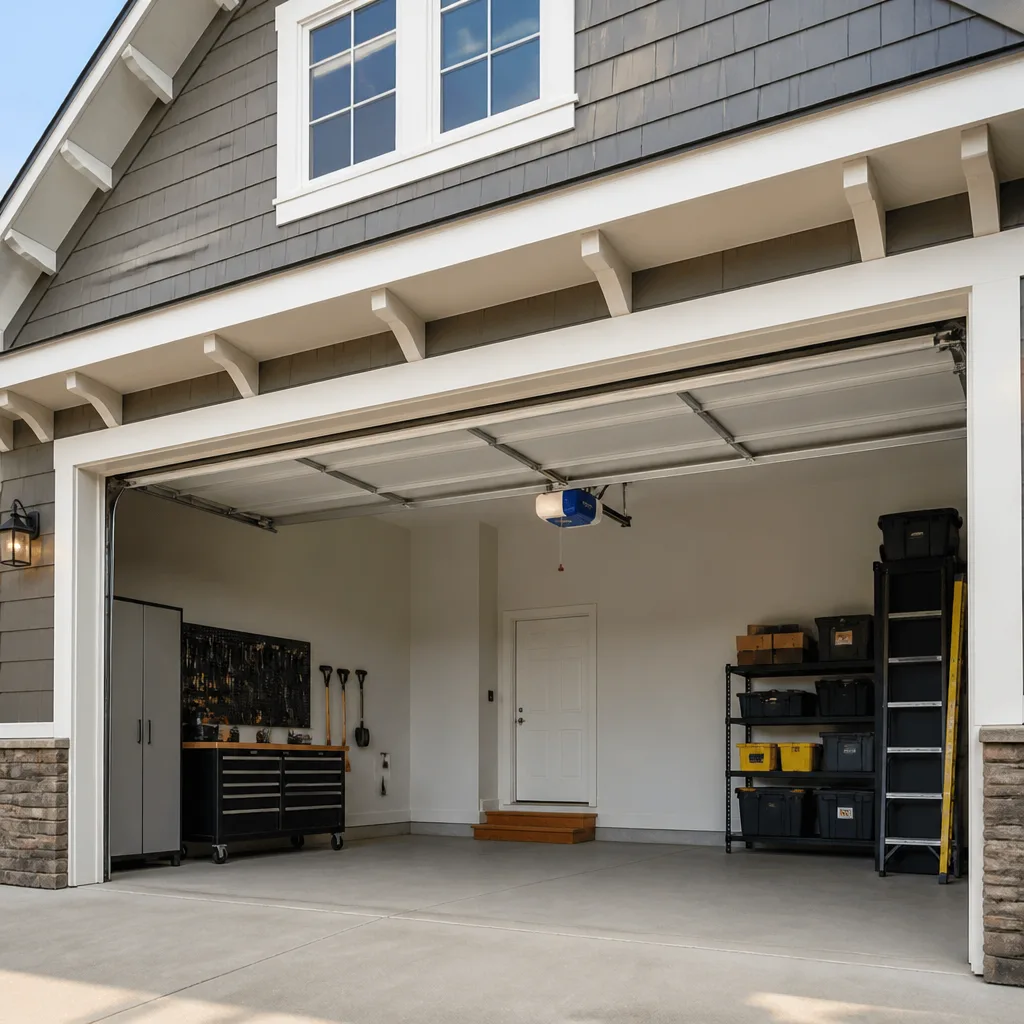 Chamberlain openers
Full 25-point door and opener safety check with every visit - springs, cables, rollers, tracks, and your LiftMaster or Chamberlain opener included
You get a price before we start. It does not change when the pro arrives.
Get your free estimateThe Complete Guide to Garage Doors in Centennial
Most garage door advice you’ll find online was written for a generic suburb at sea level. Centennial isn’t that place. At roughly 5,900 feet, the UV index here runs measurably higher than in Denver proper, and the Front Range temperature swing between a January night and a March afternoon can top 60°F. Both of those facts change which door materials hold up, which lubricants actually protect your hardware, and how often springs and weatherstripping give out. This guide maps every decision a Centennial homeowner faces, from choosing a door your HOA will approve to knowing when a repair stops making financial sense.
Quick Answer
A garage door in Centennial needs hardware rated for high-altitude UV exposure and wide freeze-thaw swings, weatherstripping that survives both summer sun and winter ice, and springs sized for the actual weight of the door rather than a one-size-fits-all chart. Repair usually makes sense until a door reaches roughly 15 to 20 years or takes structural damage; beyond that, replacement is the better long-term call. Local HOA rules in subdivisions like Willow Creek, Foxridge, and Piney Creek often dictate panel style and color, so check your covenants before you shop.
Styles & brands we work with
- Raised-panel steel
- Carriage house
- Modern flush
- Full-view glass
- LiftMaster openers
- Chamberlain openers
Table of Contents
- How Centennial’s Elevation and Climate Affect Your Garage Door
- Springs and Freeze-Thaw Cycles: What Actually Wears Out First
- Opener Torque at Altitude: Why Standard Settings Fall Short
- HOA-Compliant Door Styles in Centennial Subdivisions
- Brand Availability: What You Can Actually Get Serviced in Centennial
- Repair vs. Replace: A Decision Map by Age and Damage
- What Same-Day Service Really Means in Centennial
- Permits, Code, and Insurance in Centennial
How Centennial’s Elevation and Climate Affect Your Garage Door
Centennial sits high enough that the sun hits harder. That higher UV index degrades painted steel, vinyl, and wood finishes faster than the same products would degrade at lower elevation, and it does it unevenly. South- and west-facing doors take the worst of it, which is why a door on one side of a street can look years older than an identical door across the way. Paint chalks. Vinyl gets brittle. Wood grain opens up. None of that is a manufacturing defect; it’s the environment doing what it does at altitude.
The temperature swing matters just as much. A door that heats up to 60°F on a March afternoon and drops toward zero that night is expanding and contracting every single day for months. That cycle works on moving parts and seals:
- Weatherstripping stiffens in cold, then softens and stretches in warmth, cracking at the fold before it tears outright.
- Steel panels flex slightly with temperature, working fasteners and hinges loose over a season.
- Lubricants thin out in summer heat and thicken in winter cold, which is why a light synthetic lubricant rated for wide temperature ranges holds up far better than a heavy grease here.
If you own a Clopay or Amarr door, the finish is only as good as its maintenance. A yearly clean-and-touch-up on sun-facing panels adds years to the surface. For doors that have already started to fail, garage door repair is usually cheaper than letting the damage spread to the framing.
Springs and Freeze-Thaw Cycles: What Actually Wears Out First
In Centennial, springs typically give out before the door does. Torsion springs are rated by cycle count, and a door that runs up and down several times a day in a house with a family and two cars will hit its rated cycles sooner than a door used twice a day. The 60°F swings don’t directly break a spring, but the constant expansion and contraction of the door, combined with seasonal lubrication loss, puts more stress on the spring each time the door moves. A century-old metal-fatigue problem, accelerated by our weather.
Here’s the part every homeowner needs to hear: springs are under extreme tension and are not a DIY repair. A torsion spring that fails while someone is working on it can cause serious injury. We handle spring repair in-house for exactly this reason. It requires dedicated tools and trained technicians, and it’s a specialty many generalists avoid or farm out.
What a spring job looks like when a professional does it:
- Confirm the failure. A snapped spring is obvious, but a spring that’s lost tension looks fine and still won’t lift the door. We check both.
- Match the spring to the door. Wire gauge, inside diameter, and length have to match the door’s actual weight. A mismatched spring wears fast and strains the opener.
- Wind and balance. The new spring is tensioned, and the door is balanced so it holds position halfway up.
- Test the safety systems. The opener’s force limits and photo-eye reversal are checked before the door goes back into daily use.
If your door is stuck right now, that’s an emergency, and we treat it like one. When the door won’t move, we do.
Opener Torque at Altitude: Why Standard Settings Fall Short
Air is thinner at 5,900 feet, and while that doesn’t change how a garage door opener’s motor performs to a dramatic degree, it does change how a door’s balance and friction behave in the cold. The bigger issue is spring tension and door weight. An opener forced to lift a door whose springs are slightly weak will run hotter, wear faster, and eventually burn out a gear or a logic board. We see a lot of openers in Centennial that failed not because the unit was bad, but because it was compensating for a door that needed a spring adjustment.
Brand familiarity pays off here. Your LiftMaster, Chamberlain, Genie, or Craftsman opener each has its own quirks in how it sets travel limits, force sensitivity, and safety reversal. A technician who works on all of them can read the symptom and go straight to the right adjustment. If your opener is the problem, garage door opener repair covers the full range from a dead logic board to a remote that won’t pair.
What to check on your own opener before calling:
- The wall button works but the remote doesn’t: usually a remote or receiver issue, not the motor.
- The door reverses partway down: often a photo-eye misalignment or a force setting tripped by a cold-stiffened seal.
- The opener runs but the door barely moves: this often points to a spring problem, not the opener, and should be checked before the motor gets damaged.
- Grinding or clicking from the unit: a worn gear or sprocket that will only get worse.
Understanding Central Colorado’s seasonal patterns helps here. The same weather that stiffens a seal in January loosens it in July, and an opener that runs clean all summer can start straining in the first cold snap. If your door is over 15 years old and the opener was installed with it, expect that failure to come sooner rather than later.
HOA-Compliant Door Styles in Centennial Subdivisions
Centennial has a high concentration of covenant-controlled neighborhoods, and that shapes your choices more than most national guides acknowledge. In Willow Creek, Foxridge, and Piney Creek, the architectural review process typically governs panel style, color, window insert options, and sometimes even the finish. A door that looks perfect to you can be rejected outright if it doesn’t match the subdivision’s palette.
What that means in practice:
- Get the architectural guidelines before you shop. Most HOAs list approved colors and panel profiles. Match to that list, not to what’s on sale.
- Stay in the same style family where the neighborhood is consistent. Raised-panel steel is the default in most Centennial subdivisions, and a modern full-view glass door will draw a review request at best.
- Match the existing trim and siding. A door that reads as a deliberate upgrade cost far less friction than one that reads as out of place, even at the same price point.
- Keep the color sample handy. Two-tone options and custom colors often need approval in writing.
Here’s the good news: HOA compliance rarely means overspending. Standard raised-panel doors in an approved factory color from Wayne Dalton or Clopay are the most common choice for a reason. They’re available, they’re compliant, and they last. The overspend usually comes from custom windows or premium finishes that add cost without clearing the review committee any faster.
When you’re ready to move from planning to installation, garage door installation walks through the measure-and-order process so the door arrives sized correctly for your opening.
Brand Availability: What You Can Actually Get Serviced in Centennial
Every garage door brand is available if you’re willing to order and wait. The question that matters is what can be serviced locally, meaning a technician who knows the specific hardware already in your garage. Centennial’s suburban position along the Front Range means dealer coverage is good for the major brands, but the products and the service network aren’t always the same thing. A big-box store can sell you a Clopay or Amarr door, but it won’t diagnose a brand-specific quirk six months later.
We’re factory-familiar with eight major brands. That matters for a few reasons:
- LiftMaster and Chamberlain share a lineage, and many parts and programming steps overlap, so a technician familiar with one usually knows the other.
- Genie and Craftsman openers have their own logic and force-setting procedures; the wrong adjustment can defeat the safety reversal.
- Clopay, Amarr, Wayne Dalton, and Raynor doors each have panel profiles, hinge patterns, and spring configurations that vary by model year.
If you have an older Craftsman opener or a Wayne Dalton door, we can look at it and know what you’re working with. That’s not something a general handyman can offer, and it’s why we keep our focus on garage doors alone. For service on any of them, we’re the local number to call.
Repair vs. Replace: A Decision Map by Age and Damage
The repair-versus-replace call has a simple threshold in most cases. Under roughly 15 years old and structurally sound, repair. Over 20 years old, or damaged to the point of structural compromise, replace. Between those two, it depends on the damage type. Here’s how we think about it:
| Age / Condition | Recommended Path | Why |
|---|---|---|
| Any age, single spring failure | Repair | Springs are consumable; the door itself is fine. |
| Any age, opener failure only | Repair | Opener replacement usually solves it; the door stays. |
| Under 15 years, one damaged panel | Repair | A matching panel can often be sourced. |
| 15-20 years, multiple failures | Weigh both | Repair budget may approach replacement cost. |
| Over 20 years, hardware wear everywhere | Replace | Ongoing repairs outpace a new door’s value. |
| Bent track or frame damage | Replace or major repair | Structural damage affects safety and alignment. |
| Water damage or rot (wood doors) | Replace | Rot spreads and undermines the opening. |
One number worth saying out loud: a matched spring pair is usually replaced together, so expect roughly double a single-spring cost when both are due. A technician will tell you which situation you’re in before any work starts, and the price is quoted and agreed before anything is done. See garage door repair for the full range of repair paths.
What Same-Day Service Really Means in Centennial
Same-day means the technician can reach your door and finish the job before the day is out. In Centennial, that’s realistic for most repair calls, but it depends on geography. Centennial’s suburban layout is mostly large, spread-out subdivisions with major arteries feeding Denver to the north and the tech center to the west. A door near Arapahoe Road or the I-25 corridor tends to get faster response than one tucked into a quiet northern pocket.
Metro Denver response times, in contrast, often stretch longer because crews cover denser, more congested ground. Centennial’s geography generally works in your favor. Where it gets complicated is the job itself. A spring swap, an opener adjustment, or a track realignment can usually be finished in one visit. A door replacement cannot. That work is measured, ordered, and scheduled, and we promise a free measure and a written price instead of a same-day install. Expecting same-day installation is the most common misconception we run into.
For emergency calls, we treat a door that traps a car or leaves a home unsecured as time-sensitive. That’s the scenario our emergency service exists for. The trade-off is honesty: if a part has to be ordered, no one can make it appear the same day, and any company that promises otherwise is setting you up for a second visit.
Permits, Code, and Insurance in Centennial
Most garage door replacements in Centennial require a permit, and the only reliable source for what applies to your address is the city’s building department. Rules can vary by project scope, so call them before you order a door, not after. A permit typically covers the installation and inspection, not the old door’s disposal. Confirm both questions at the same time.
What the code generally cares about, and what you should look for in any new installation:
- Safety reversal systems. Photo eyes and a reversal mechanism on contact are standard on any opener installed today.
- Spring containment. A broken torsion spring on an older door without containment can send debris across the garage. Newer doors often include a containment cable, and it’s worth confirming.
- Proper attachment to the frame. Track and bracket fasteners have to bite into solid framing, not just drywall.
- Weight-rated springs. The spring has to match the door. This is where “just like the old one” fails if the old spring was already wrong.
On the insurance side, most homeowner policies expect the door to be maintained and installed to code. They don’t always ask for a permit number, but a claim made after an unpermitted install can get complicated. For the installation process from measure to inspection, see our garage door installation guide. If your door is damaged after a claim, garage door repair handles the fix.
Common Mistakes to Avoid
- Buying a door before checking the HOA guidelines. In covenants like Willow Creek and Foxridge, a rejected color can cost you a reorder. Get the approved list first, then shop.
- Tightening the spring yourself. Torsion springs are under extreme tension; a wrong move can cause serious injury. This is the one repair that should always go to a trained technician.
- Greasing the tracks. Lubricant belongs on springs, hinges, and rollers, not the tracks. Grease on a track attracts dust and grit and can cause the rollers to slip.
- Replacing an opener when the springs are the real problem. A straining opener usually means an unbalanced door. Fix the door before the motor gives out.
- Assuming the anti-corrosion finish is enough for a south-facing door. At Centennial’s UV exposure, a yearly clean and touch-up on the sun-facing side is worth the half hour.
- Ignoring weatherstripping until it tears. Stiff, cracked seals let water and cold air in and stress the opener. Replace them when they start to crack, not when they fail.
- Expecting same-day installation. Measurement, ordering, and scheduling take time. Repair can often be same-day; replacement can’t.
See the difference
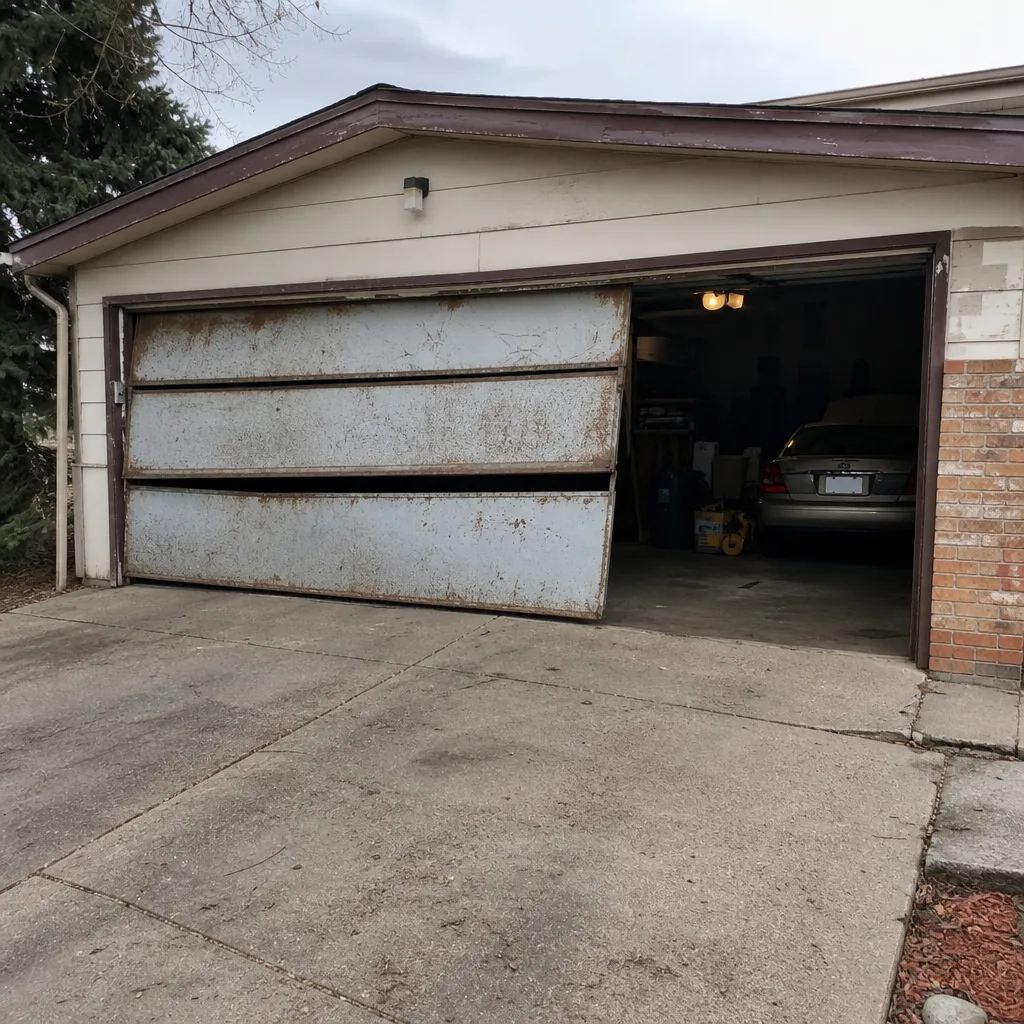 Before
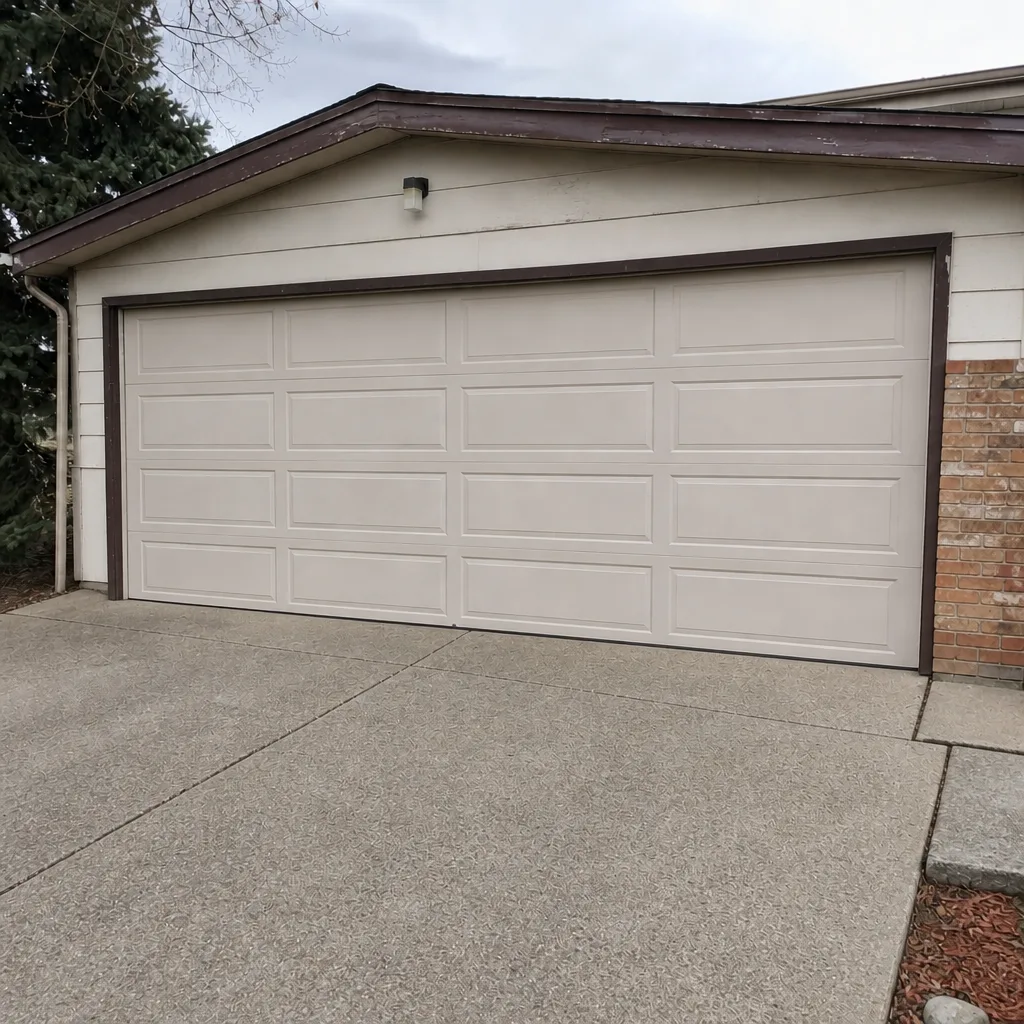 After
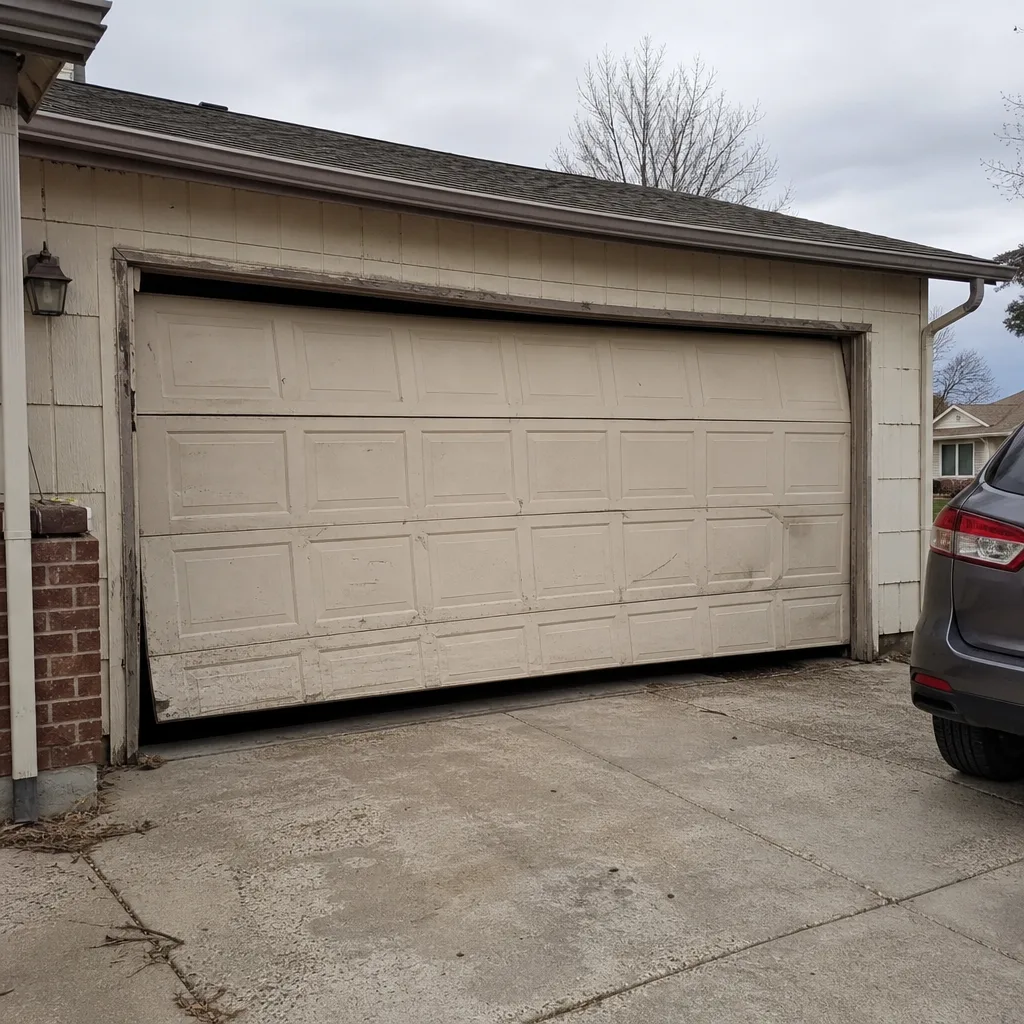 Before
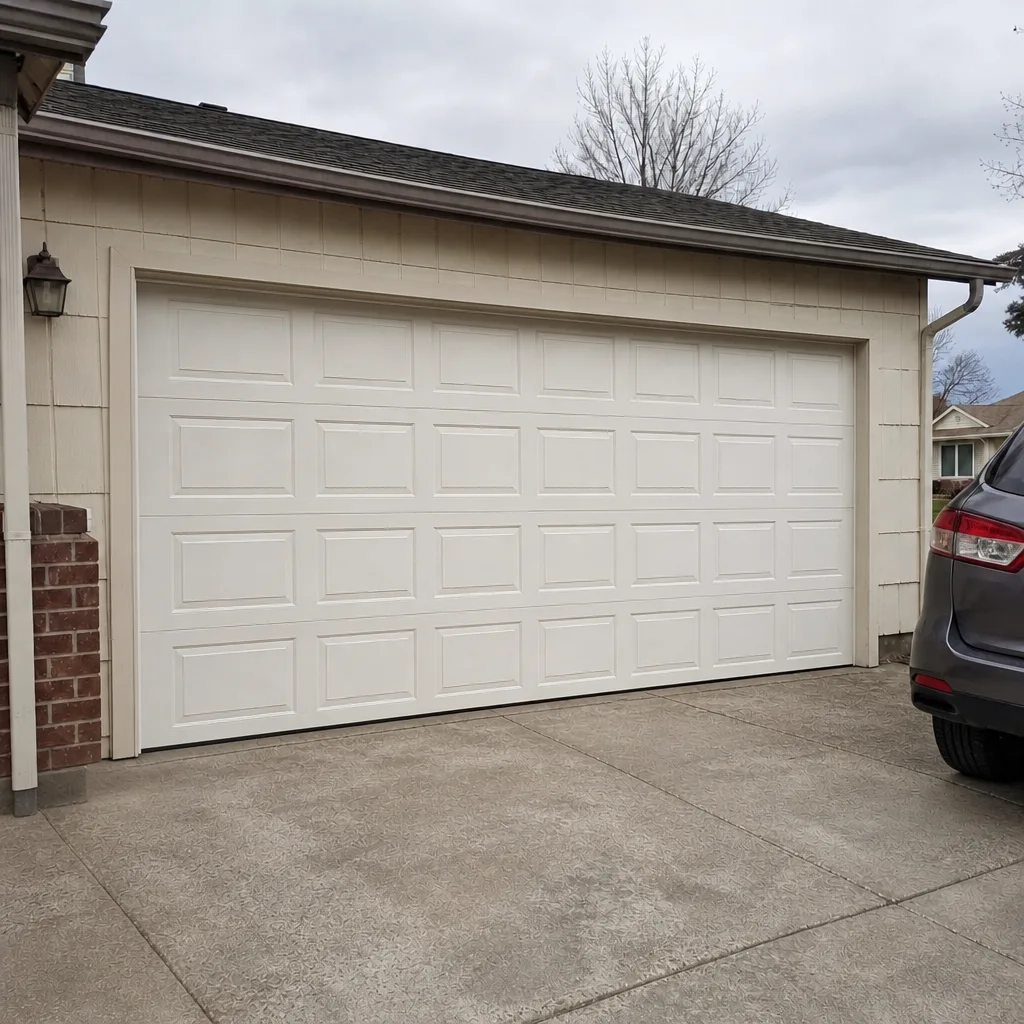 After
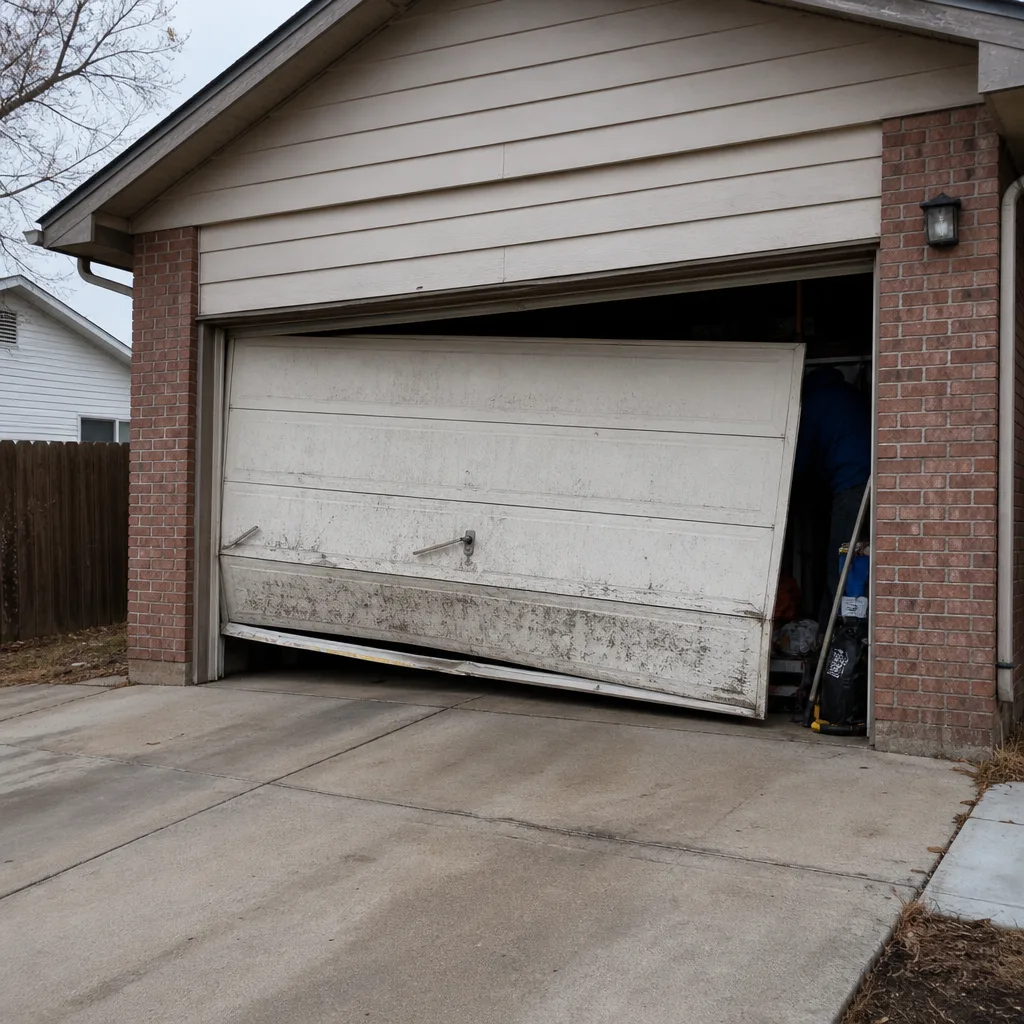 Before
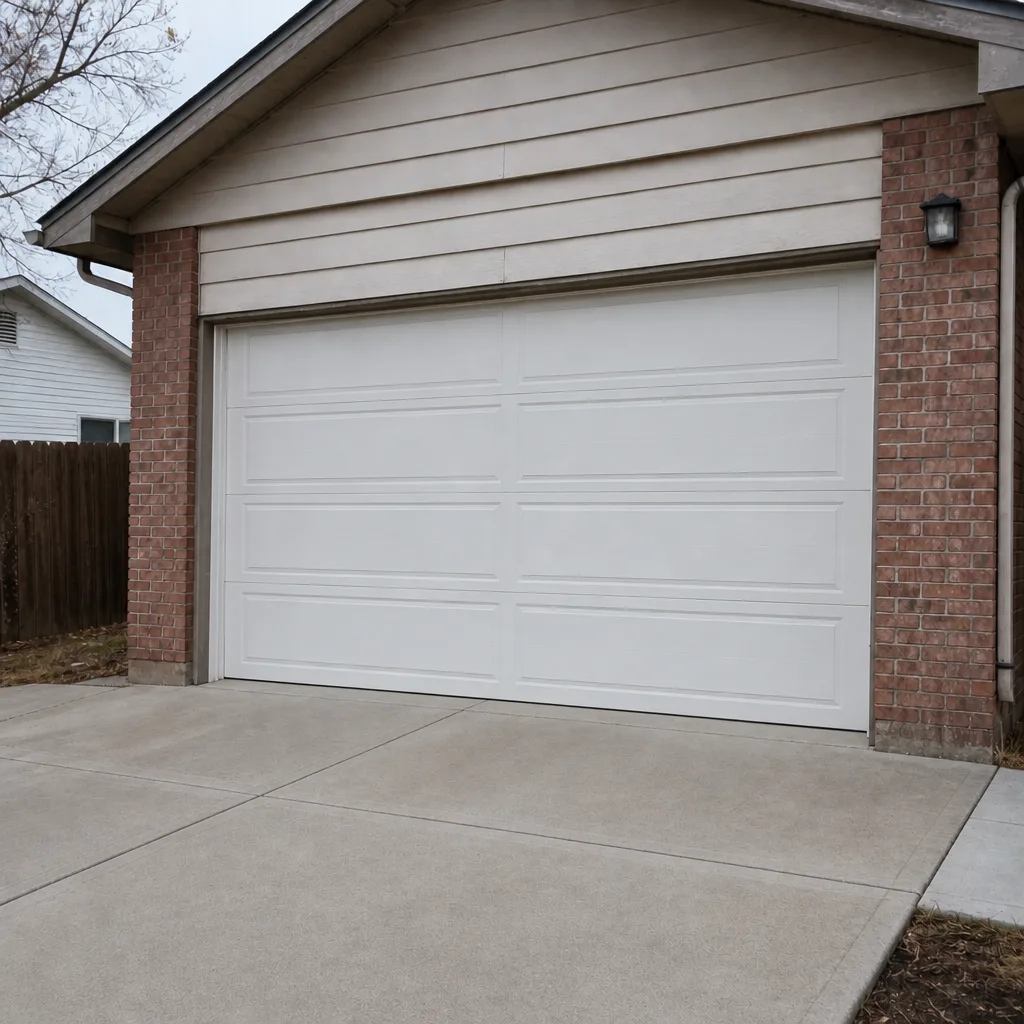 After
When to Call a Professional
Some garage door problems belong in a professional’s hands. A snapped or slack spring, a door that comes off its track, a bent panel, any opener that runs but won’t move the door, and a door that leaves your home unsecured are all calls worth making. The same goes for water intrusion you can’t trace, weatherstripping that needs replacing at the frame, and any door over 15 years old that’s had more than one repair this year. We work on the brand already in your garage, whether that’s a Clopay door, a Wayne Dalton, or a Craftsman opener, and our technicians have up to 15 years of experience. Garage Door Repair Centennial Pros offers free estimates in Centennial, and you can reach us at (844) 575-1130. The estimate is quoted and agreed before any work starts, so there are no surprises when the job is done.
Frequently Asked Questions
Garage door repair in Centennial is typically priced per job by estimate, and the written quote is the price we hold to. A spring repair is a per-spring cost, so if both springs are due, expect roughly double the single-spring price. Call (844) 575-1130 for an exact quote. Estimates are free.
Often, yes. Most repair calls in Centennial can be completed the same day, though geography matters, and a job that needs a special-order part may take longer. Replacement work is scheduled after the measure. Call (844) 575-1130 and we’ll confirm what’s realistic for your door.
No. We quote and agree on the price before any work starts. If we discover something that genuinely changes the scope, we’ll tell you and get your approval before we touch anything. Call (844) 575-1130 for an estimate.
The local professional we connect you with is licensed and insured as the state requires. Our technicians have up to 15 years of experience and work exclusively on garage doors and openers. Call (844) 575-1130 with any questions before you book.
Cycle count wears springs out, not time alone. A door used several times a day in a busy household hits its rated cycles faster, and Centennial’s wide daily temperature swings put extra stress on the door and hardware. When the spring weakens, the opener compensates until one or the other fails. Call (844) 575-1130 for a spring inspection.
Usually yes, if you live in a covenant-controlled subdivision like Willow Creek, Foxridge, or Piney Creek. Most HOAs require approval of color, panel style, and window options before installation. Ask your architectural review committee for the approved list before you order anything. Call (844) 575-1130 and we’ll help you match those requirements.
The Bottom Line
Centennial’s altitude, UV exposure, and wide temperature swings put specific demands on your garage door that a generic national guide won’t cover. Match your materials and lubricants to the climate. Check your HOA guidelines before you shop. Understand that springs are a safety-critical repair and not a DIY project. And know the repair-versus-replace threshold: under 15 years and structurally sound, repair; over 20 years or structurally damaged, replace. Any professional who quotes a price before the work starts, works on the brand already in your garage, and treats a stuck door as an emergency is the one to call. When you’re ready for Garage Door Repair Centennial Pros to take a look, call (844) 575-1130 for a free estimate. We’ll tell you what needs doing and what it will cost before anyone starts.
Written by the team at Garage Door Repair Centennial Pros.