Last updated November 22, 2026
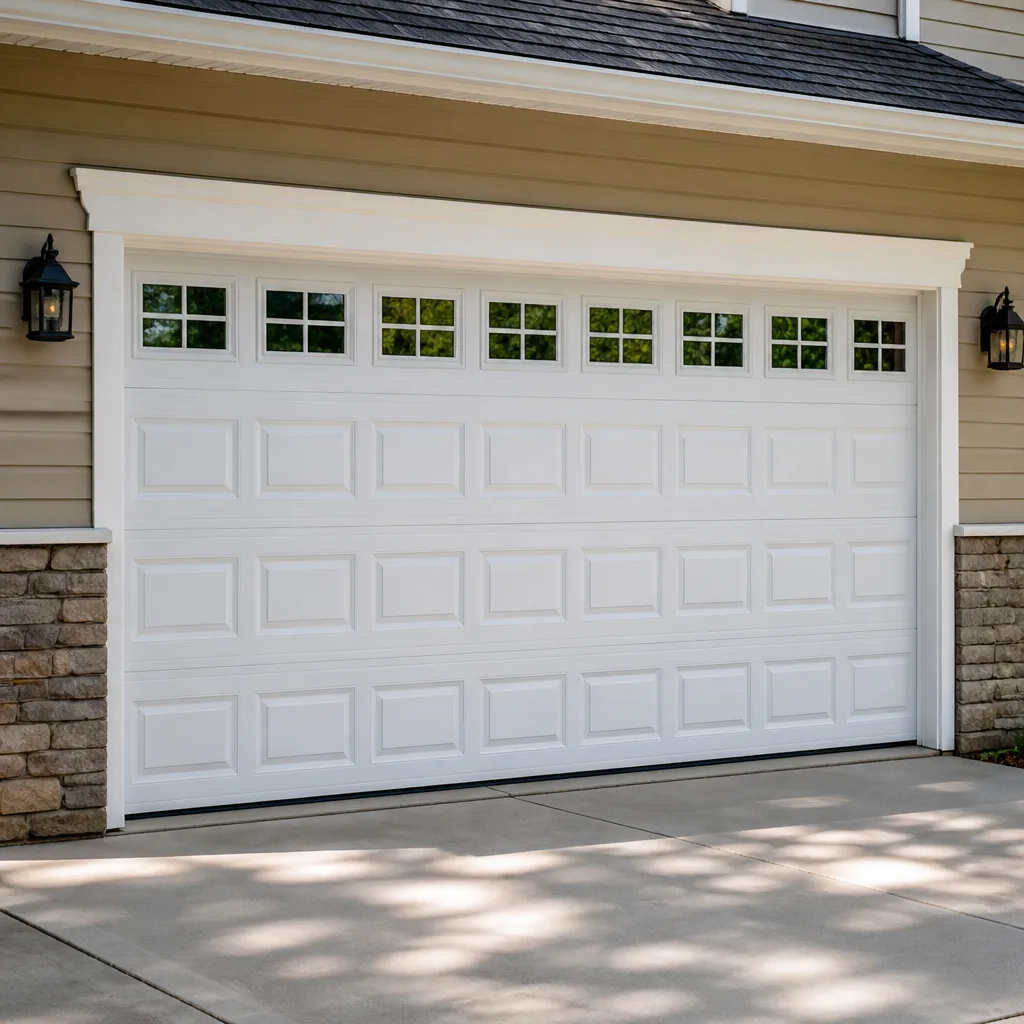 Raised-panel steel
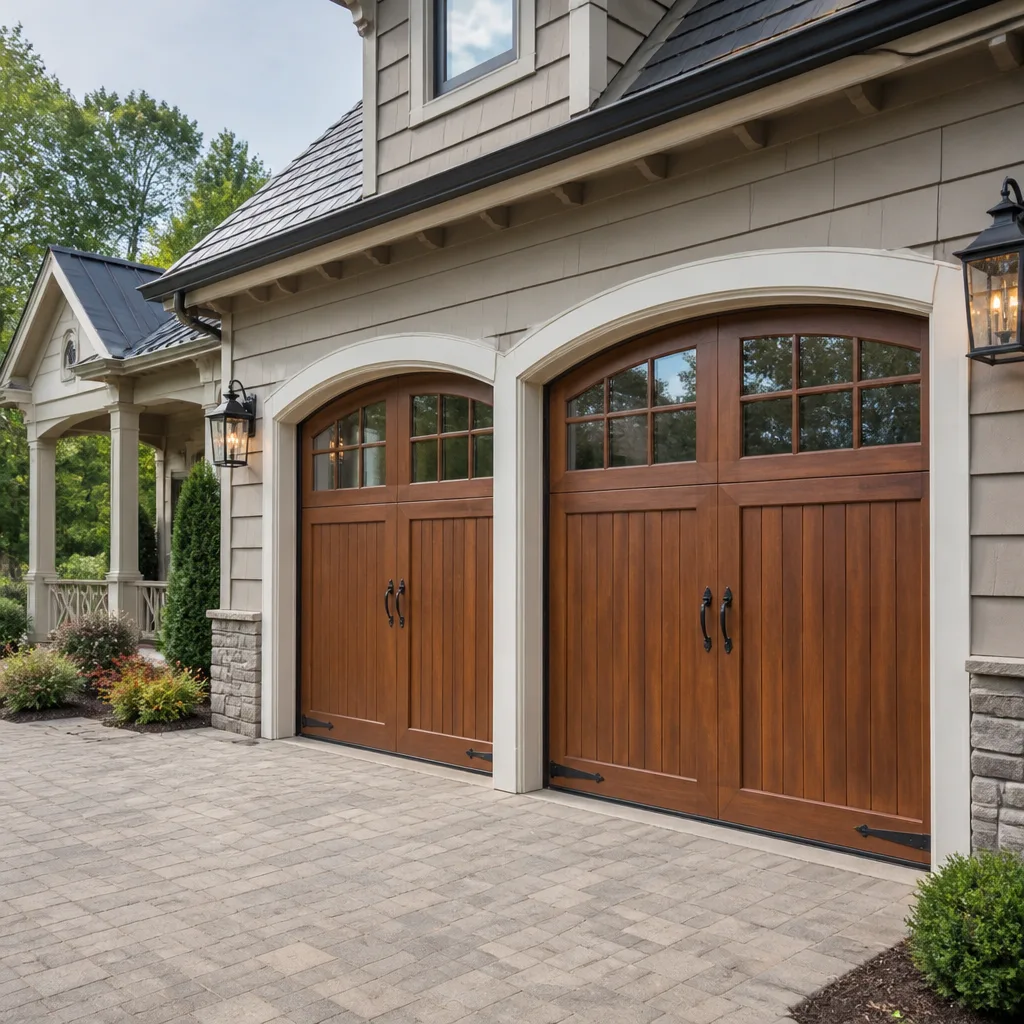 Carriage house
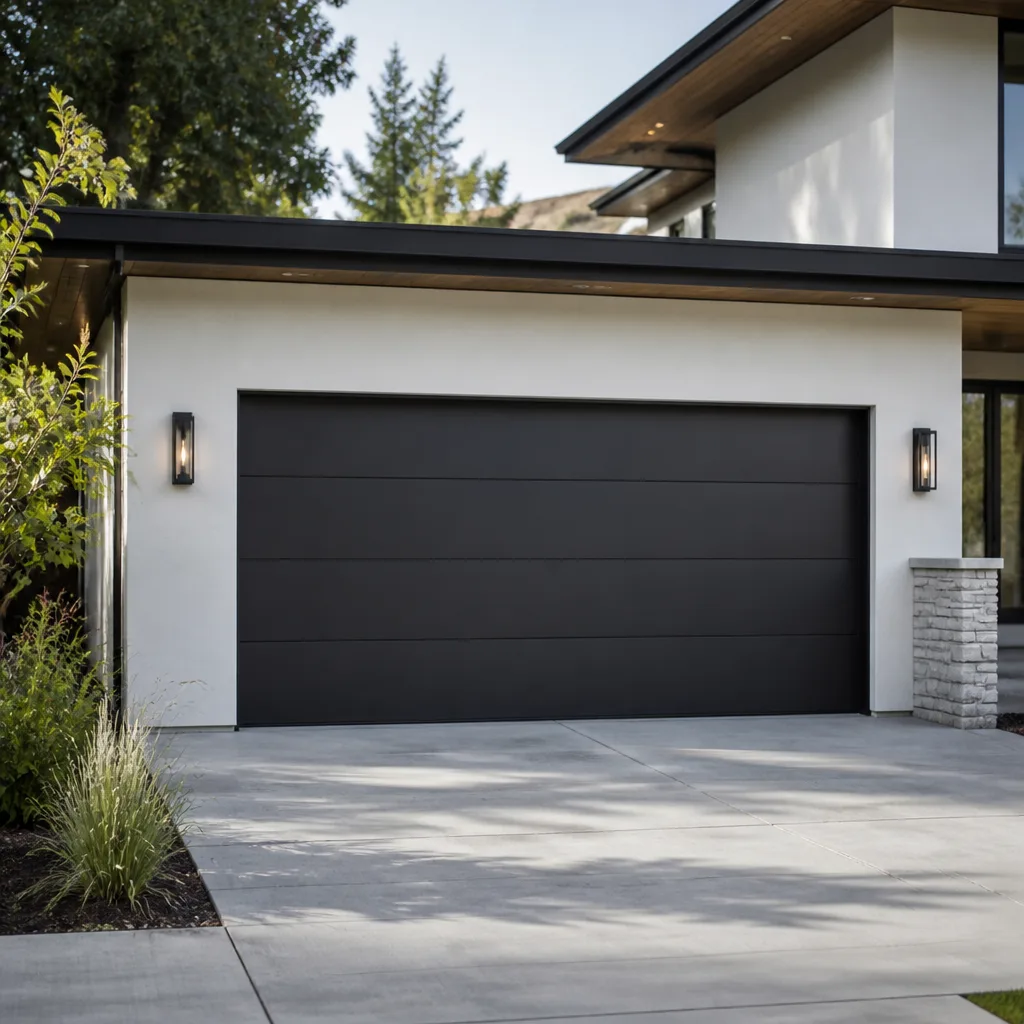 Modern flush
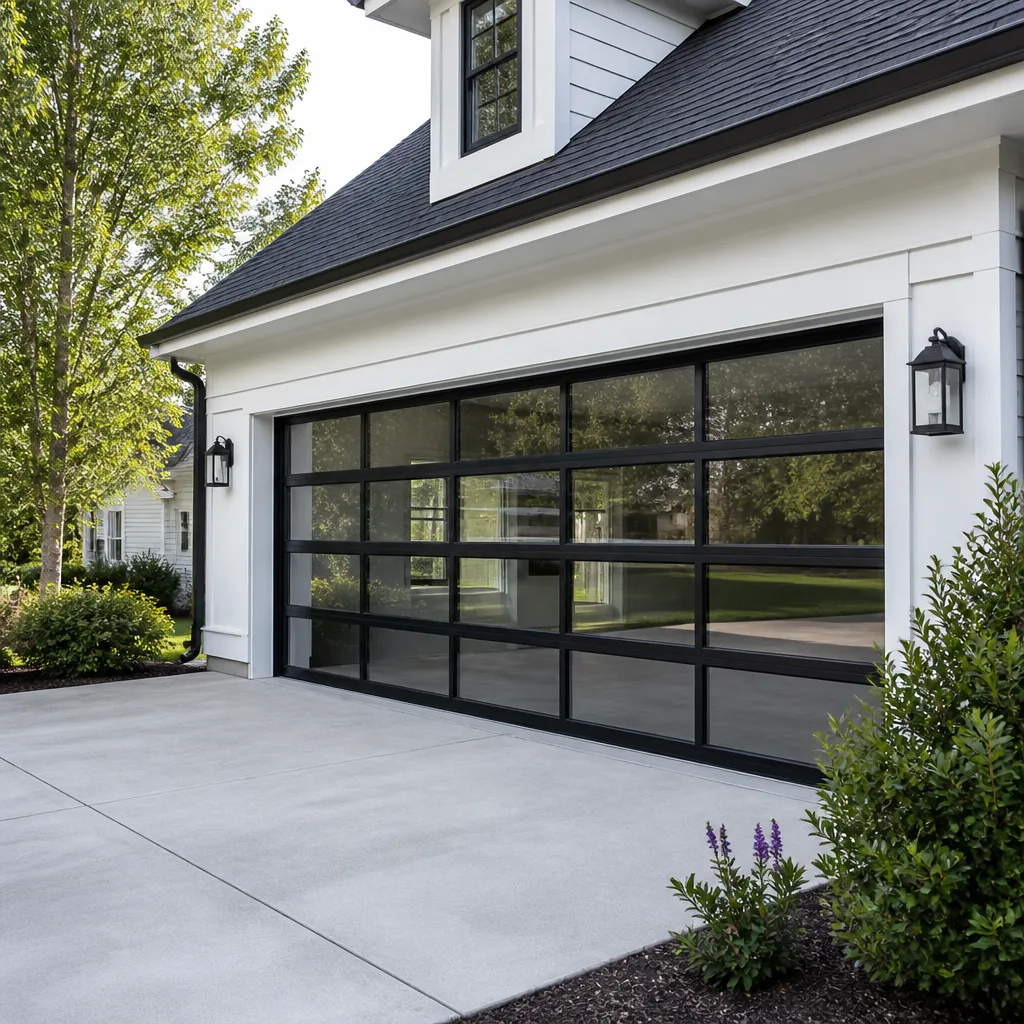 Full-view glass
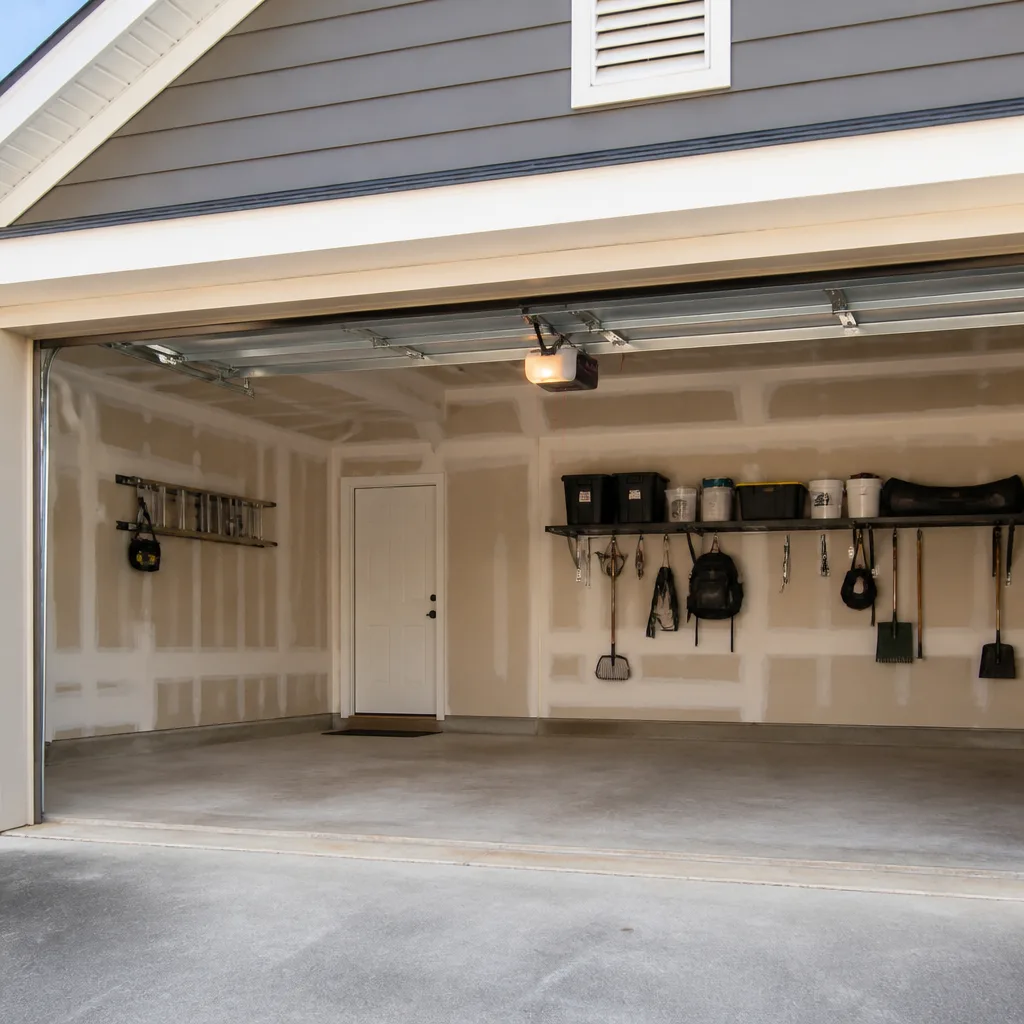 LiftMaster openers
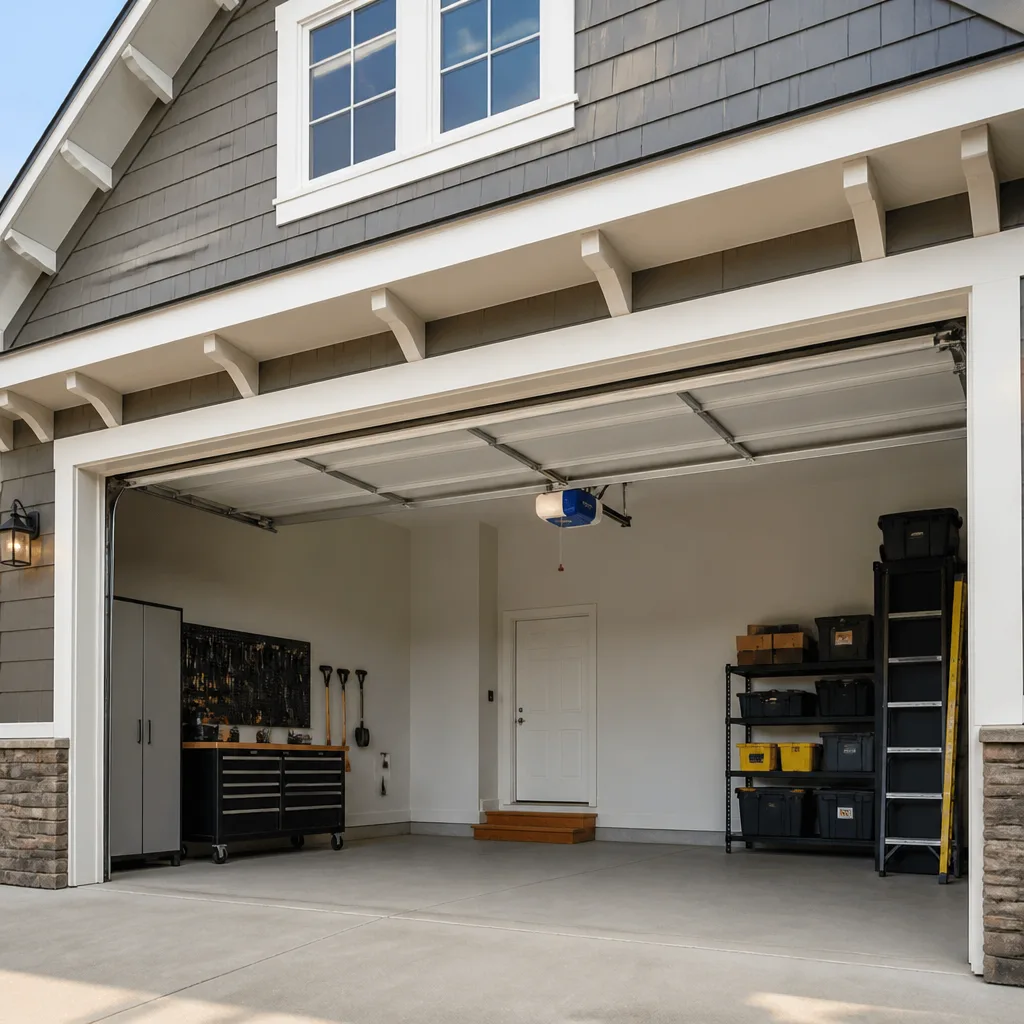 Chamberlain openers
Full 25-point door and opener safety check with every visit - springs, cables, rollers, tracks, and your LiftMaster or Chamberlain opener included
You get a price before we start. It does not change when the pro arrives.
Get your free estimateGarage Door Emergency Preparedness Guide for Centennial Homes
A garage door stuck in the open position late at night in Centennial during a cold snap isn’t just an inconvenience. If the garage is attached to the house, an open door exposes plumbing runs along the shared wall to outside air, and it leaves everything you store out there visible from the street. Most homeowners reach for the manual release cord first and make the situation harder to recover. Emergency calls aren’t all the same shape, either. A door that won’t open and a door that won’t close carry different risks and call for different first moves. This guide walks through the decision tree for each, how to secure a failed door safely overnight, what to have ready before you call, and how to prevent the failures Centennial weather tends to set up.
Quick Answer
If your garage door won’t open, first figure out whether the problem is power, the spring, a cable, or the opener, because the correct first action is different for each. If it won’t close, secure the doorway and stop cycling the door until a technician diagnoses it. Never force a door with a broken spring or snapped cable, and pull the manual release cord only when the door is fully closed and you’ve confirmed the spring is intact.
Styles & brands we work with
- Raised-panel steel
- Carriage house
- Modern flush
- Full-view glass
- LiftMaster openers
- Chamberlain openers
Table of Contents
- Why “Won’t Open” and “Won’t Close” Are Two Different Emergencies
- The “Door Won’t Open” Decision Tree
- The “Door Won’t Close” Decision Tree
- How to Use the Manual Release Cord Safely
- How to Secure a Door Stuck Open Overnight
- What to Have Ready Before You Call
- Centennial Weather Patterns That Cause Emergencies
- Preventive Checks That Keep a Door Out of Trouble
Why “Won’t Open” and “Won’t Close” Are Two Different Emergencies
Homeowners tend to lump every garage door failure into one bucket. In practice, the direction of the failure tells you what’s at stake and how much urgency the fix actually carries.
A door that won’t open is usually a mechanical or electrical problem: dead power, a broken torsion spring, a snapped lift cable, a stripped opener gear, or a photo-eye or remote issue. The door is stuck closed, so the house is reasonably secure. The real cost is lost use – the car trapped inside, the family juggling one vehicle, the daily errand that can’t happen. It’s frustrating, but it’s rarely a safety hazard to the structure.
A door that won’t close is a different animal. When we get called out on emergency service in Centennial, this is the version that gets people’s attention. The doorway stays open to the street or alley, which is a security problem overnight. And if a panel is off-track, a torsion spring is holding a partially raised door, or a reversing photo-eye is failing intermittently, cycling the opener repeatedly can turn a small misalignment into a bigger, more expensive repair. On the opener side, a door that won’t complete its close cycle can be a Genie or Chamberlain unit with a logic-board fault, a misadjusted limit switch, or an obstruction sensor that thinks something is in the path.
So the first question you answer for yourself is directional. Does the door refuse to go up, or does it refuse to go down? Everything that follows depends on that answer.
The “Door Won’t Open” Decision Tree
A door that won’t open almost always falls into one of four categories. Work through them in this order before you call anyone, because the wrong first action can make the door harder for a technician to recover safely.
1. Check for a power outage
Press the wall button. If the opener is silent and the light on the unit doesn’t come on, you likely have a tripped breaker or a dead circuit. Check your panel and any nearby GFCI outlets. A power blip also resets the opener’s memory, so your remote may not work even after power returns – use the wall button to test. If the unit is a battery-backup model, it may switch to battery mode and still open the door slowly; don’t mistake a sluggish door for a broken one.
2. Look for a broken spring
Torsion springs run along the shaft above the door; extension springs run along the tracks above each side. A broken torsion spring shows a visible gap in the coil. A snapped extension spring often leaves a hanging hook or a stretched coil. Do not try to lift the door or pull the release cord if you see a break. Springs hold the full weight of the door, and a door with no spring support will slam down if you release it. This is the one scenario where the manual release makes things worse, not better.
3. Look for a snapped cable
The lift cables are the braided steel lines running along the door sides and around the drums above the corners. If a cable has snapped, you’ll typically see a loose line, a kinked drum, or the door sitting crooked at one corner. Do not try to open it. A door with a snapped cable has lost one side of its support and will go off-track if you push it.
4. Suspect the opener
If the door is in good mechanical condition and the opener runs but the door doesn’t move, the fault is in the opener itself. Listen for a motor whine without door travel (worn drive gear), a chattering sound (limit switch), or a click with no motor (capacitor or board fault). If you have a Craftsman, LiftMaster, or other opener you recognize, note the brand – that speeds up diagnosis on our side. Our garage door opener repair team handles Chamblerlain, Genie, Craftsman and the rest of the common brands as a same-day call.
The “Door Won’t Close” Decision Tree
A door that won’t close is the version most homeowners shouldn’t leave for the next morning. Run through this sequence before you try the opener again.
1. Clear the doorway and check for obstructions
Look at the bottom seal line. A rock, a snow-packed chunk of ice, a tennis ball, or a door mat can trigger the safety reverse. Clear the threshold completely, including the small gap under the door where a kid’s toy can wedge.
2. Check the photo-eye alignment
The two small lenses at the bottom of the tracks need a clear line of sight between them. They should light steadily. If one lens is dark, wiggle the bracket or wipe it clear. Sun glare across the lens can also trigger a false reverse, especially in low winter light on a west-facing door.
3. Inspect the bottom seal and the track
A bottom seal frozen to the concrete stops the door from completing its cycle. A track that’s bent outward at the bottom corner forces the panel to bind. If the door reverses on contact with the frozen seal, the fix is usually warming and clearing the threshold – but if a panel is off the track, don’t keep cycling the opener.
4. Stop cycling the opener
If you’ve cleared the obvious and the door still won’t close, stop pressing the button. A limit switch that’s drifted out of range or a photo-eye that’s failed internally needs a service call. A Wayne Dalton or Amarr door with a partially off-track panel can shift fully off the track after two or three more cycles, which turns an emergency repair into a bigger job.
How to Use the Manual Release Cord Safely
The manual release cord – the red or rope-handled line hanging from the opener carriage – disconnects the opener from the door so you can lift it by hand. It’s a genuinely useful tool, but using it wrong is the single most common way homeowners turn a simple emergency into an expensive one.
When the release cord is safe to pull
- The door is fully closed at the time you pull it.
- You’ve confirmed the spring is intact (no visible break in the torsion coil or extension spring).
- You’ve confirmed the cables are both attached and not snapped.
- The door goes up by hand without excessive weight or a sudden drop.
When pulling the release cord makes things worse
If the spring is broken, the cables are slack, or the door sags heavily at one corner, do not pull the release. Releasing a door with reduced spring tension can let the full weight fall on the cable you’re trying to protect, or let a panel come off the track entirely. In that state, the door needs to be secured first, not disconnected.
How to reconnect it
Once the door is back in manual mode and you’re ready to reconnect, close the door fully, pull the release handle once more to reset the carriage, and run the opener through one cycle. If the carriage won’t re-engage, the trolley is likely misaligned – that’s a service call, not a screwdriver job.
How to Secure a Door Stuck Open Overnight
If the door is stuck open and you can’t get a technician out before the next morning, your goal shifts from fixing the door to securing the opening without making the hardware worse.
- Stop trying to move the door. Every attempt to force a door that’s off-track or on a broken spring risks more damage and injury. Leave it where it sits.
- Block the doorway from the inside. Park a car directly behind the opening, or place a heavy piece of furniture across the threshold just inside the garage. This deters casual approach and prevents anything from rolling out.
- Don’t jam the door panels. Wedging a board under a panel to hold it up can crack the panel or bend a hinge. A door that’s already in a bad state is at more risk from a makeshift prop than from being left alone.
- Protect the interior from outside air. If the garage is attached, close the door between the garage and the house and shut any window in the garage. Drape a heavy blanket or tarp across the open doorway from the inside if there’s any risk of a hard freeze overnight.
- Disconnect the opener only if it’s safe. If the opener has been running the door repeatedly with no travel and you hear the motor whining even when the door isn’t commanded, pull the release cord with the door fully closed and the spring intact. If you can’t confirm the spring is intact, leave the opener plugged in but stop pressing the button.
- Make the call now, not in the morning. A technician who knows the door is open tonight can plan the recovery properly. Call us at (844) 575-1130 and describe what you see.
What to Have Ready Before You Call
Emergency dispatch goes faster when you can describe the door accurately. Have these answers ready before you call, and you’ll shorten both the diagnosis and the repair.
- Spring type. Torsion (horizontal coil above the door) or extension (springs along the side tracks)? If you don’t know, look at the header above the door.
- Opener brand and model. If you have a LiftMaster, Chamberlain, Genie, Craftsman, or Raynor opener, name it. The brand on the unit’s label tells us exactly which quirks to expect.
- Door brand, if visible. A Clopay, Amarr, or Wayne Dalton stamp on the panel helps us know the hardware before we arrive.
- Manual or automatic mode. Is the carriage still engaged, or has someone pulled the release cord? If it’s in manual mode, you’ll need to note that when you call.
- Direction of failure. Won’t open, won’t close, or reverses mid-cycle?
- What you’ve already tried. Photo-eye checks, breaker resets, and any manual attempts help us rule out the easy causes.
- Whether a car is trapped. This matters for how we prioritize the call.
In our experience, the difference between a 20-minute emergency call and a longer one is usually how accurately the homeowner can describe the door’s state. The garage door repair team we connect you with is a garage-door-only specialist, so the diagnosis on the phone translates directly into what comes out on the call.
Centennial Weather Patterns That Cause Emergencies
Centennial sits at nearly 6,000 feet on the high plains south of Denver, and the local weather sets up a handful of recurring failure patterns that homeowners elsewhere don’t see the same way.
Heavy wet snow loads. The Front Range gets spring storms that drop heavy, wet snow, and the accumulation can sit on a closed door for days. That extra weight pushes a door that’s already near the edge of its spring tension into failure. If your door felt heavy or the opener struggled in the days after a heavy snow, that’s a warning sign the spring tension is slipping.
Freeze-thaw cycles at the bottom seal. The ground here cycles above and below freezing repeatedly through winter and early spring. Meltwater at the bottom seal refreezes overnight and bonds the seal to the concrete. The door cycles once, doesn’t seal, and the opener reverses. Repeat that a dozen times and the safety reverse system can wear into a pattern where the door no longer closes reliably. Clearing the threshold of snow and ice after each storm prevents the cycle from starting.
Summer heat and spring fatigue. Centennial summers bring stretches above 90 degrees. Torsion springs lose tension faster in sustained heat, and the lofted garages common in newer Centennial neighborhoods run even hotter up top. A spring that fails in July often failed “gradually” over the preceding months.
Wind-driven hail and debris. Hail season along the Front Range can pit panels and knock the bottom seal loose. After a storm, inspect the door face and the bottom seal before the panel damage turns into an off-track condition.
Preventive Checks That Keep a Door Out of Trouble
Most garage door emergencies we get called out on in Centennial trace back to a failure that was visible weeks before. A five-minute check every couple of months keeps the odds in your favor.
- Test the balance of the door. With the door closed, pull the manual release and lift the door halfway. It should stay there without help. If it drops, the springs need service.
- Listen to the opener. A steady motor hum without travel, a clunk, or a loud chattering are all early warning signs. Catch them before the opener stops entirely.
- Check the cables monthly. Look for fraying, kinks, or slack at the bottom corners. Any visible damage is a stop-use condition.
- Lubricate the moving parts. Hinges, rollers, the spring shaft, and the track where the rollers ride all benefit from a light garage-door lubricant (not grease).
- Clear the bottom seal line after every storm. Snow, ice, and small debris at the threshold are the leading cause of “won’t close” calls through the winter.
- Test the safety reverse every month. Place a 2×4 flat under the closing door. If it doesn’t reverse on contact, the opener needs adjustment or service.
Common Mistakes to Avoid
- Pulling the release cord with a broken spring. This drops the full weight of the door onto cables that are already compromised. It’s the most common way a small emergency grows into a big one.
- Forcing a door that’s off-track. Shoving a door back onto its track by hand can bend a panel or kink a cable permanently. Leave an off-track door alone and call a technician.
- Cycling the opener repeatedly after a reverse. If the door reverses, don’t press the button a dozen more times. The safety reverse is doing its job; forcing the cycle can burn out the opener.
- Leaving a door stuck open overnight without blocking it. An attached-garage door that’s stuck open exposes plumbing against the shared wall to a hard freeze. Block the opening and close the interior access door.
- Jamming a prop under a panel. A board or broomstick under an already-compromised panel cracks the skin and bends the hinge. A door in a bad state is safer left still.
- Calling a general handyman for a spring or opener problem. Springs and opener logic are both specialties. The Garage Door Repair Centennial Pros team works on garage doors exclusively because generalists often don’t have the tooling or the training to handle a high-tension spring safely.
- Skipping the post-storm check. Heavy snow or hail that leaves the door looking fine can still have bent a hinge or knocked the bottom seal loose. Check after every major storm.
See the difference
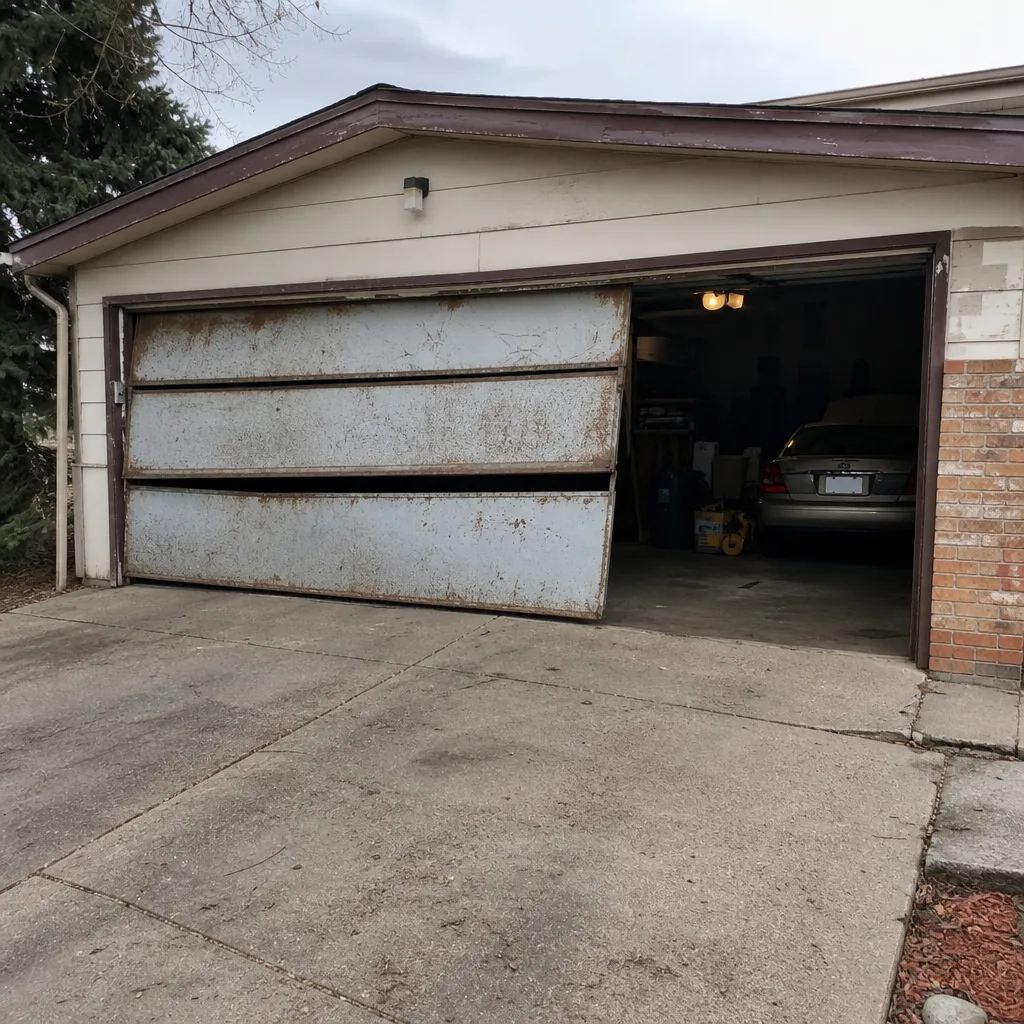 Before
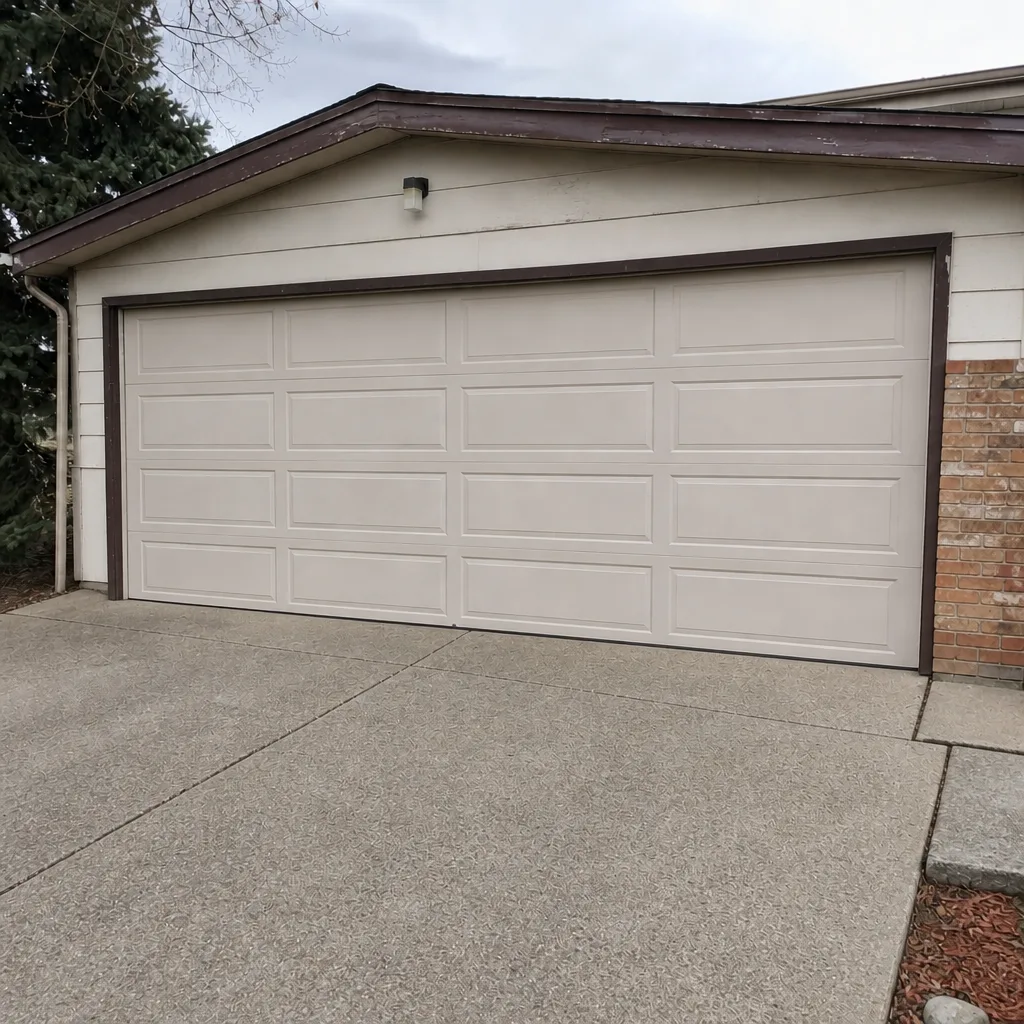 After
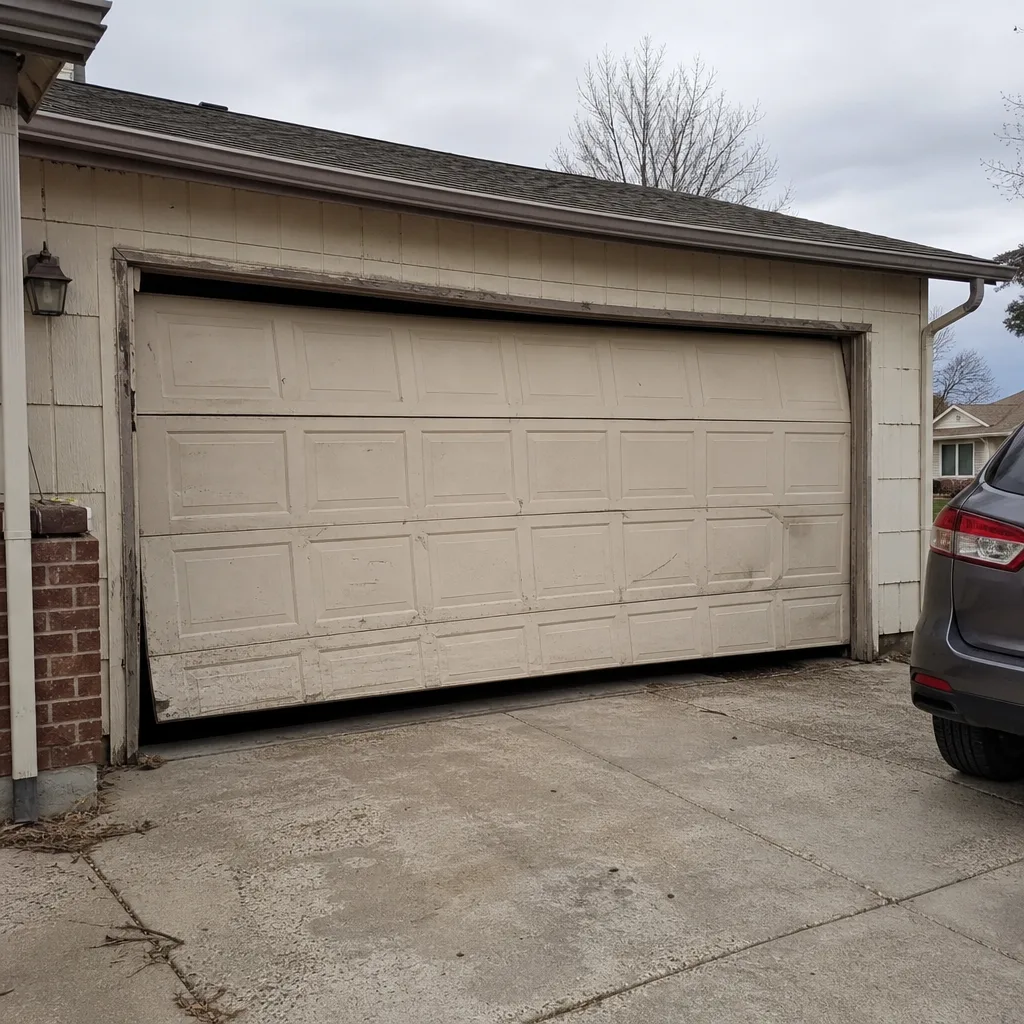 Before
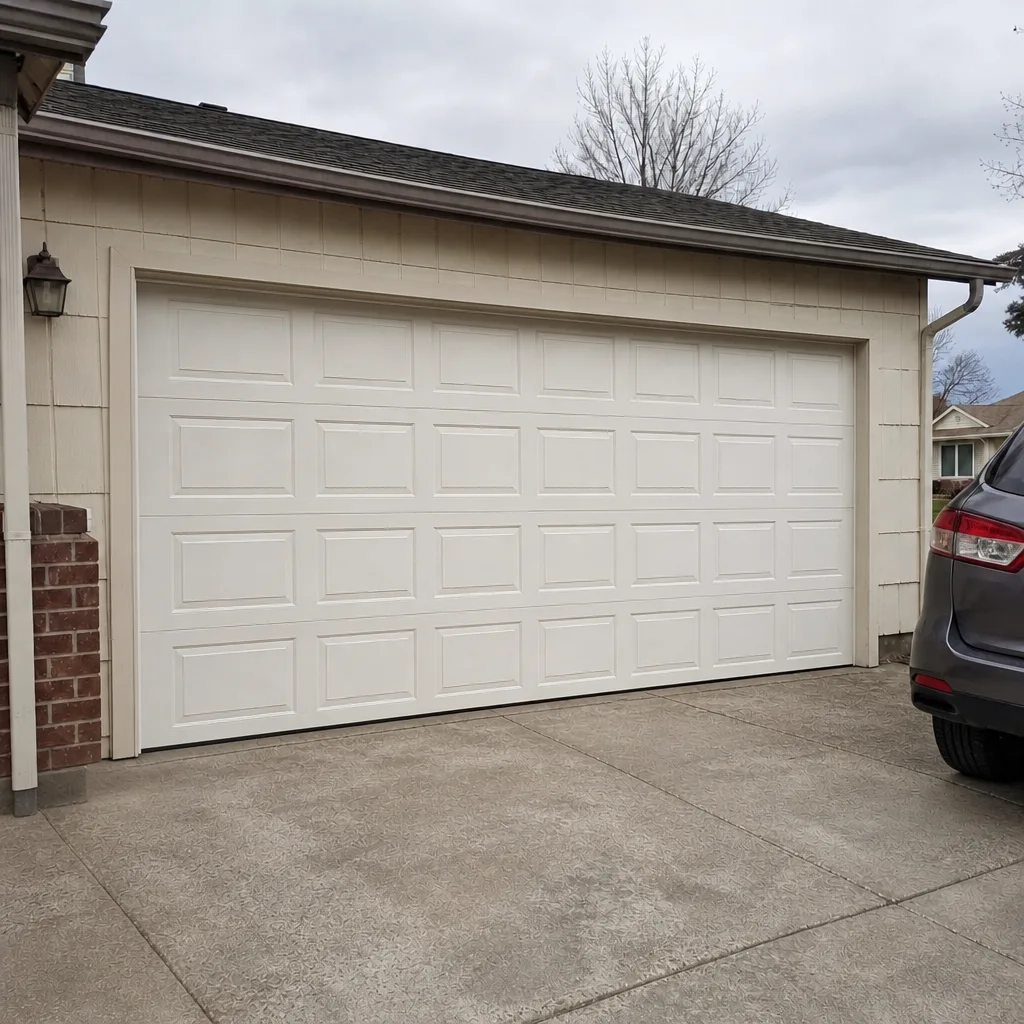 After
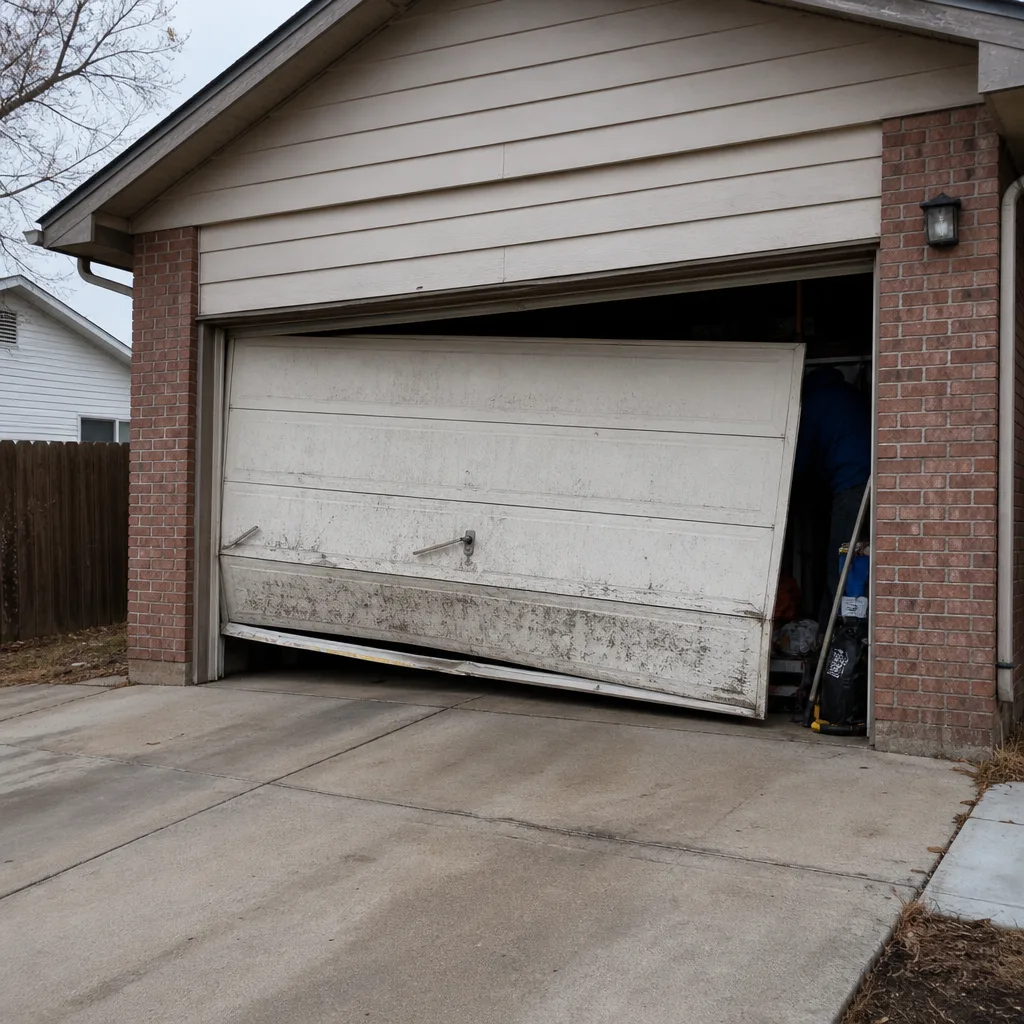 Before
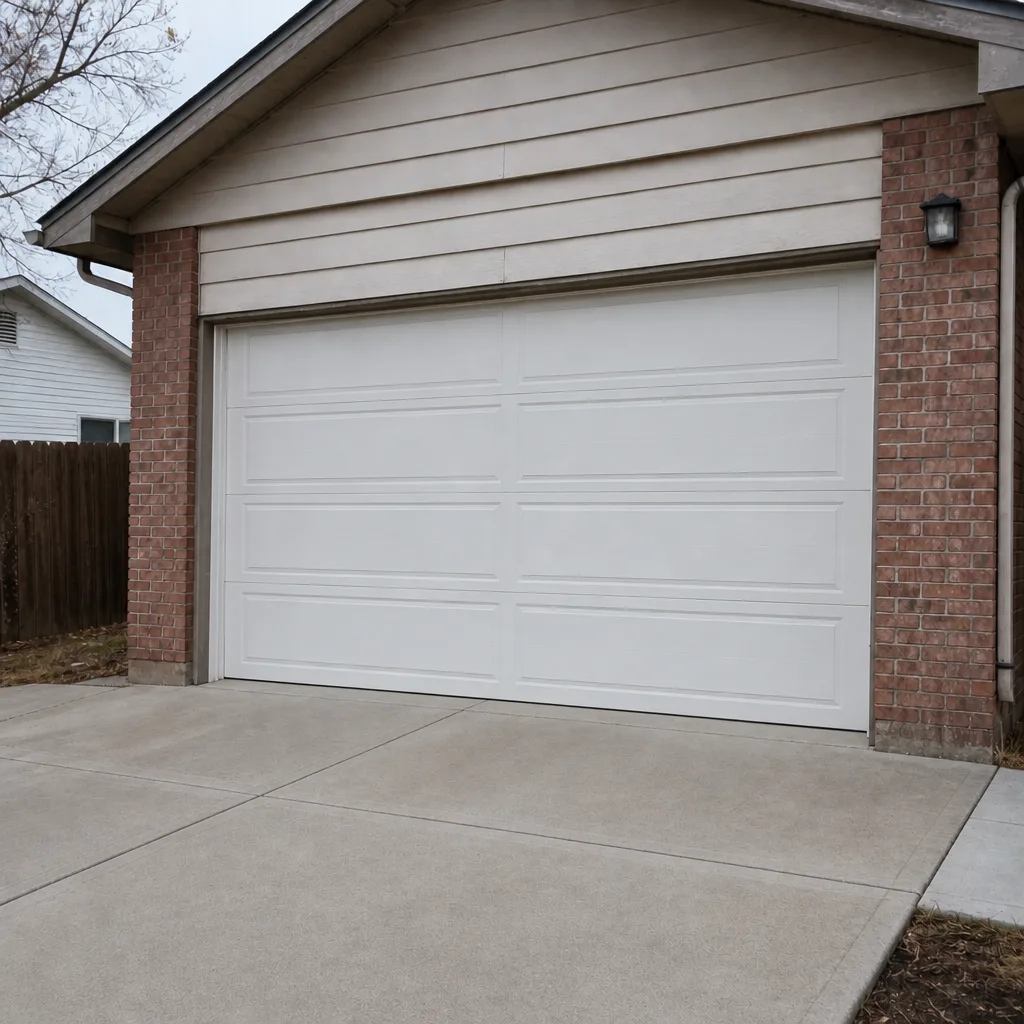 After
When to Call a Professional
Call a professional if any of these apply: you see a broken spring or a snapped cable, the door is off-track or sitting crooked, the opener runs without moving the door, the safety reverse fails the 2×4 test, the door reverses repeatedly on contact with the floor, or the door is stuck open with no safe way to secure it. A garage door is a heavy, spring-loaded system with enough stored energy to cause serious injury, and the recovery is not a homeowner project. The garage door installation team at Garage Door Repair Centennial Pros offers free estimates in Centennial – call (844) 575-1130. We work on the brand already in your garage, from Amarr to Clopay to the LiftMaster or Genie opener above your car. When the door won’t move, we do – and the price is quoted and agreed before any work starts.
Frequently Asked Questions
A garage door emergency is any failure that traps a car, leaves the home unsecured, or involves a broken spring, snapped cable, or off-track door. The two categories are a door that won’t open (usually trapped car, mechanical fault) and a door that won’t close (security and weather exposure). Call (844) 575-1130 and we’ll tell you the fastest safe next step.
In most cases, yes. A broken torsion or extension spring is one of our core specialties, and emergency service covers it when the door is stuck. The technician will confirm the spring type, tension, and the condition of the cables before quoting a fix. Call (844) 575-1130 for a free estimate – the price is agreed before any work starts.
Only if the door is fully closed and you’ve confirmed the spring and cables are intact. If the spring is broken or a cable is snapped, pulling the release can drop the full weight of the door. When in doubt, leave the cord alone and call.
No – the written estimate you agree to is the price you pay. We quote by job, and the written estimate sets the final number. If the technician finds an unrelated issue mid-job, they’ll stop and re-quote before continuing. Call (844) 575-1130 for a free estimate.
Yes. The local pro we connect you with is licensed and insured as Colorado requires, and technicians have up to 15 years of experience. Spring, cable, and opener work are specialty repairs, and a vetting step is standard before we dispatch anyone. Call (844) 575-1130 and we’ll confirm the details before scheduling.
Block the doorway from the inside with a car or heavy furniture, close the interior access door to the house, and stop cycling the opener. Do not wedge a board under a panel. Then call us so the technician can plan the recovery correctly. Call (844) 575-1130.
The Bottom Line
Garage door emergencies in Centennial split into two distinct problems: the door won’t open and the door won’t close. Each has a different risk profile and a different first move. Won’t open? Check for power, spring, cable, then opener – in that order. Won’t close? Clear the threshold, check the photo-eye, and stop cycling the opener. Pull the manual release only when the door is fully closed and the spring is intact. If the door is stuck open, block it, close the interior access door, and call before the next freeze. And if spring, cable, or off-track damage is visible, don’t touch the door – that’s a trained repair. Call Garage Door Repair Centennial Pros at (844) 575-1130 for a free estimate. Your door. Same day.
Written by the team at Garage Door Repair Centennial Pros.