Last updated November 22, 2026
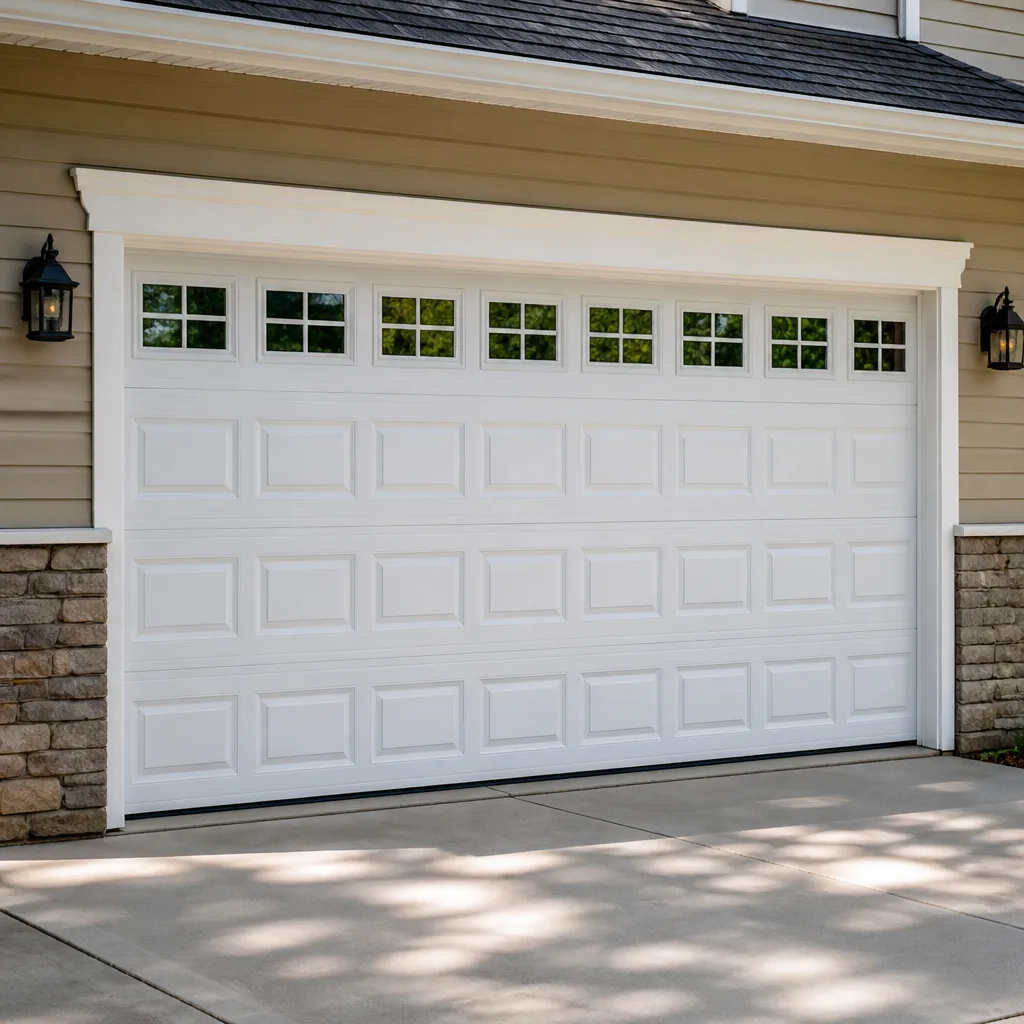 Raised-panel steel
 Carriage house
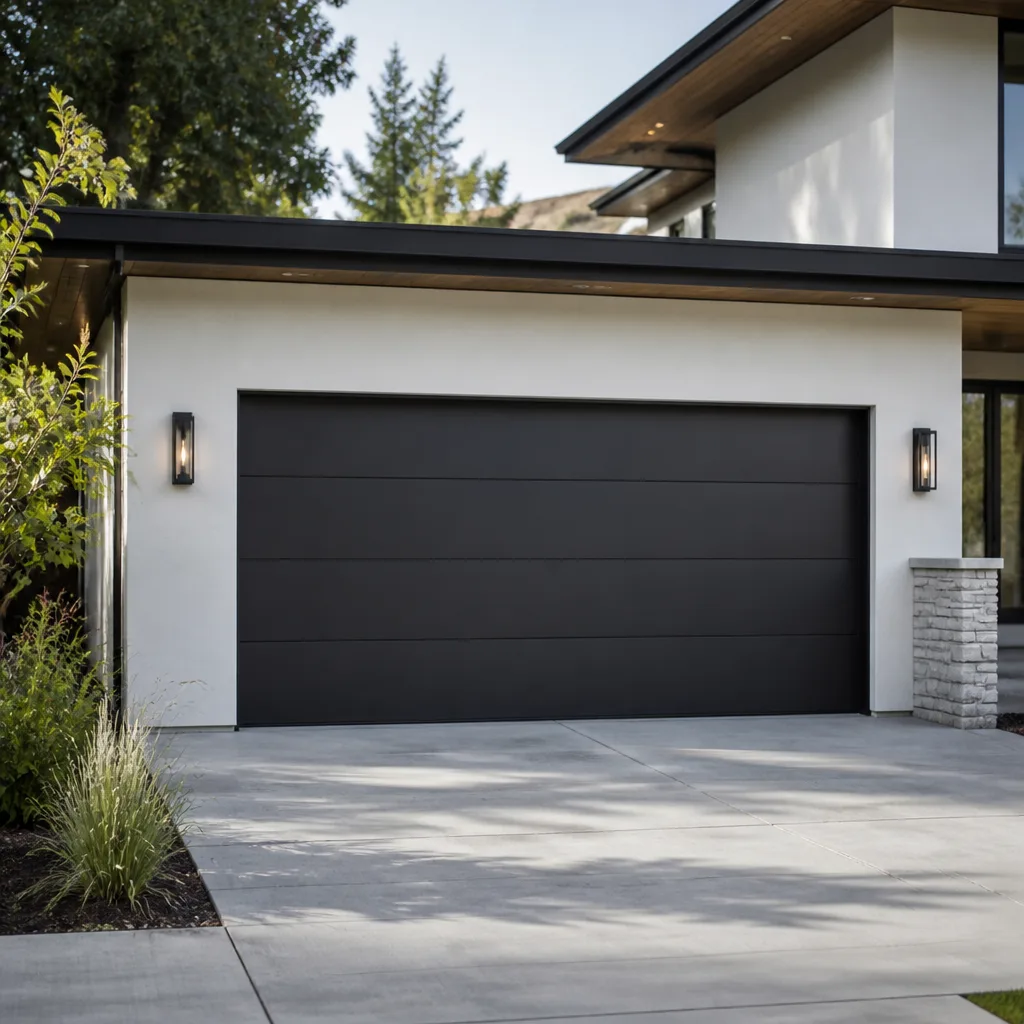 Modern flush
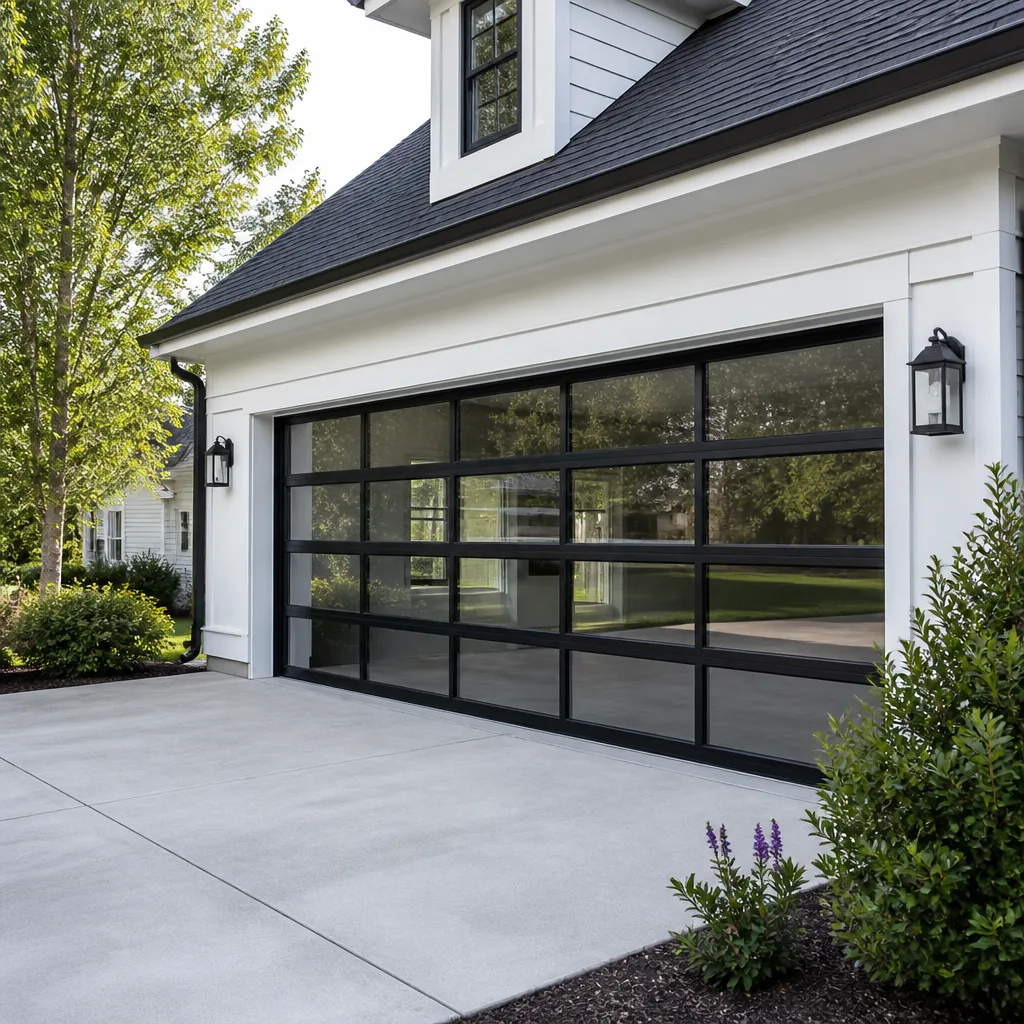 Full-view glass
 LiftMaster openers
 Chamberlain openers
Full 25-point door and opener safety check with every visit - springs, cables, rollers, tracks, and your LiftMaster or Chamberlain opener included
You get a price before we start. It does not change when the pro arrives.
Get your free estimateSeasonal Garage Door Care for Centennial: Year-Round Homeowner’s Guide
Centennial averages over 300 days of sunshine a year. That sounds gentle on garage door hardware, and most homeowners assume it is. But a garage door in Centennial sits in direct high-altitude sun for a big part of every clear day, and UV exposure at this elevation hits vinyl skins, painted steel panels and weatherstripping harder than the cloudy-climate warranty assumptions most manufacturers build around. The sun is not the only stressor here either. Between the late-spring hail window, the summer afternoon heat that pushes track alignment around, and an early fall cold snap that shows up before most people have thought about winter, Centennial’s calendar doesn’t really split into four neat maintenance seasons. It creates five distinct stress periods, and each one asks something different of your door.
In this guide we’ll walk through those five periods in order, explain what each one does to your panels, seals, springs and opener, and give you a checklist timed to how the weather in Centennial actually behaves. You’ll finish knowing what to inspect yourself, what to leave alone, and when a small adjustment is worth a call before it becomes a spring or track failure.
Styles & brands we work with
- Raised-panel steel
- Carriage house
- Modern flush
- Full-view glass
- LiftMaster openers
- Chamberlain openers
Quick Answer
Seasonal garage door care in Centennial works best as five inspection windows rather than four: a late-winter thaw check, a spring hail-and-wind review, a summer heat and track-alignment pass, an early-fall cold-snap preparation, and a pre-winter seal and lubrication service. The two items that matter most year-round are keeping the bottom seal intact and keeping the moving parts lubricated on a schedule that matches temperature, because those two failures drive most of the wear we see in doors along Centennial’s foothills-facing neighborhoods.
Table of Contents
- Why Centennial’s Sun Is Harder on Your Door Than the Climate Numbers Suggest
- The Five Stress Periods of a Centennial Garage Door Year
- Pre-Winter Prep: What Freeze-Thaw Does to Three Seal Types
- Spring Hail Season: Reading Panel Damage That Looks Cosmetic
- Summer Heat Expansion, Track Alignment and Limit Switch Drift
- Fall Re-Lubrication: Timing It to the Temperature Drop
- Your Attached Garage as a Thermal Barrier in Cold Months
- A Month-by-Month Maintenance Calendar for Centennial
- Common Mistakes to Avoid
- When to Call a Professional
- Frequently Asked Questions
- The Bottom Line
Why Centennial’s Sun Is Harder on Your Door Than the Climate Numbers Suggest
When a manufacturer writes a warranty for a painted steel or vinyl-skinned panel, they’re working from an assumed UV exposure profile. That profile usually reflects average national sun intensity, not the thinner atmosphere at Colorado’s elevation. Here, sunlight arrives with less atmosphere to filter it, so the same number of sunny days delivers more UV energy to your door’s surface. The practical result is that vinyl skins on a south- or west-facing door in Centennial can chalk, fade and grow brittle on a faster curve than the warranty language implies, and painted steel can develop finish checking years earlier than a homeowner expects.
What that means for your seasonal routine:
- Facing matters. A door that catches full afternoon sun in Centennial’s western-facing driveways ages faster than one shaded by a tree or an overhang, and it should be inspected more often.
- Vinyl and composite skins are the most UV-sensitive part of most doors. Once they chalk, the surface stops shedding water as well, which sets up freeze-thaw damage later.
- Painted steel panels benefit from a quick wash and a fresh coat of a UV-resistant exterior finish when the original paint starts to dull. A dull panel is a warning, not just a cosmetic issue.
- Weatherstripping and bottom seals degrade alongside the panels. Sun-dried rubber loses elasticity long before it tears, and a stiff seal stops sealing.
The sun doesn’t just fade the finish. It hardens the seals, dries out the lubrication on rollers and hinges, and slowly changes how your door sits in its tracks. Here in Centennial, that UV load is the underlying reason the seasonal schedule below is worth following rather than guessing at.
The Five Stress Periods of a Centennial Garage Door Year
Most maintenance guides hand you four seasons and call it done. Centennial doesn’t cooperate with that. Between the foothills weather patterns, the hail corridor and the sharp autumn temperature drops, the door actually moves through five stress windows, and two of them – the late-spring hail period and the early-fall cold snap – catch homeowners off guard every year.
- Late-winter thaw (roughly late February into March). Repeated freeze-thaw cycles work on the bottom seal and the concrete at the threshold. This is when small seal gaps that went unnoticed in January turn into drafts and water intrusion.
- Spring hail and wind (late April into June). Centennial sits in a hail-prone stretch of the Front Range, and spring storms bring both hail impact on panels and gusty wind that stresses hinges and rollers.
- Summer heat expansion (July into August). Afternoon sun heats steel tracks and panels, and the expansion that follows can nudge alignment and shift the opener’s travel limits.
- Early-fall cold snap (usually sometime in September). A quick drop in temperature thickens standard lubricants and stiffens seals before most people have done any winter prep.
- Pre-winter sealing and tuning (October into November). The window where you fix what the year wore down so the door enters the cold months sound.
Each period has its own checklist, and we’ll go through them one at a time. The order matters: the fall cold snap is the one that exposes whether your summer and spring care actually held up.
Pre-Winter Prep: What Freeze-Thaw Does to Three Seal Types
The bottom seal is the part of your door that takes the most punishment from Centennial’s freeze-thaw cycle, and the three common seal materials fail in very different ways. Knowing which one is on your door tells you what to check each fall.
Rubber seals stay flexible in cold better than most alternatives, but they’re also the most vulnerable to UV drying. A rubber seal that’s spent a summer in direct sun in Centennial can look fine and still be stiff enough to crack along its base when the first hard freeze hits. Run a hand along it in early fall. If it feels hard rather than supple, it’s already on its way out.
Silicone seals hold up to UV and cold better than rubber and stay pliable at lower temperatures, which makes them a strong choice for a door that faces the weather. They’re not indestructible, though. Silicone can tear at the mounting channel after repeated freeze-thaw expansion, so check the channel ends where the seal slides in.
Brush seals don’t freeze stiff the way solid seals do, and they shed snow and debris better than rubber in some applications. Their weakness is bristle loss and bending after a hard winter. Look for flattened or missing bristles along the threshold, especially at the corners where the door meets the frame.
The pre-winter checklist itself is short:
- Close the door and look for daylight under the bottom seal. Any visible gap is a draft and a water path.
- Check the threshold concrete for cracks that let meltwater pool under the seal.
- Test the door’s balance by hand with the opener disengaged. A door that won’t hold position is putting strain on the springs all winter.
- Confirm the safety reverse features on the opener still trip. Cold weather is exactly the wrong time to discover they don’t.
If you’d rather have a professional run the full pre-winter check, our garage door repair service covers seal replacement, balance adjustment and the opener checks in a single visit.
Spring Hail Season: Reading Panel Damage That Looks Cosmetic
Hail dents on a garage door panel can look like a finish problem and be something more structural. That matters in Centennial because the hail corridor along the Front Range produces plenty of small-diameter impacts that don’t shatter a panel but do dent it, crack the paint, and in the case of insulated panels, compromise the foam core behind the skin.
Here’s how to assess panel damage after a spring storm, in order:
- Look for dents with a broken finish. A dent alone is cosmetic. A dent where the paint has cracked open exposes bare steel, which will rust and spread the damage through freeze-thaw cycles.
- Press gently on the skin around an impact. On an insulated panel, a soft or spongy spot under the skin means the foam core has separated from the steel. That panel has lost insulation value even though it still looks solid from a few feet away.
- Check panel seams and the hinges between sections. Hail impacts can start a seam separation that widens over the season as the door cycles up and down. A gap in a seam lets moisture in, and moisture at a hinge is where rust starts.
- Inspect the window panes if your door has them. Crazing or small stars in the glazing are common after hail and are a sign of stress that can spread in the next freeze.
A panel with a broken finish can often be repaired and refinished. A panel with a compromised insulated core usually needs replacement to restore the door’s thermal performance, and on a Clopay or Amarr door with a specific panel profile, matching the section properly is worth doing right rather than patching with a universal skin.
One note on the opener while you’re at it: a hail-damaged panel can throw the door slightly out of balance, and that imbalance puts extra load on the opener’s motor and drive. If your LiftMaster or Chamberlain opener starts working harder or sounds different after a storm, the door is the first thing to check, not the motor.
Summer Heat Expansion, Track Alignment and Limit Switch Drift
Steel expands when it’s hot, and in Centennial a garage door track that faces direct afternoon sun can warm enough on a July day to shift the vertical tracks out of parallel by a small but real amount. You won’t see it. You might hear it as a scrape or a rattle, or feel it as a door that binds near the top of its travel.
The related summer issue is limit switch drift on the opener. As the door’s position at full-open and full-close shifts slightly with heat expansion, the opener’s travel limits can fall out of sync. The result is a door that stops an inch short of closing or reverses before it reaches the frame. Here’s what to check in the heat:
- Listen for new sounds. A scrape at one end of travel usually points to a track that has moved, not a worn roller.
- Watch the door travel. If it stops before the frame or the opener light stays on after a cycle, the travel limits need attention.
- Look at the roller brackets. Heat expansion loosens the bracket bolts that hold the tracks to the jamb, and a loose bracket lets the track wander.
- Check the safety sensors. A sun-facing sensor in the afternoon can false-trip and cause the door to reverse. Shading the sensor with a small hood fixes it without a service call.
If the door sounds like it’s dragging, binds near the top of travel, or the opener reverses on its own in the afternoon heat, this is usually a ten-minute adjustment rather than a major repair. Our garage door opener repair service handles the limit and sensor side, and we check the track alignment at the same time.
Fall Re-Lubrication: Timing It to the Temperature Drop
Lubricant viscosity is the reason fall lubrication timing matters. Standard garage door grease is formulated for a temperature range, and when Centennial’s early September cold snap knocks overnight temperatures down by twenty or thirty degrees, that grease thickens. A door that ran smoothly all summer can start to feel heavy or drag because the rollers and hinges are working against stiffer lubrication.
Here’s the practical schedule we recommend in Centennial:
- Lubricate in late August, before the first real cold snap. This gives you a mild-weather window when you can verify the door still runs smoothly.
- Use the right product. A garage door specific lubricant, not household oil or WD-40. Standard oil thins and drips in summer heat, then thickens in the fall, and WD-40 is a penetrant rather than a lasting lubricant.
- Lubricate the right spots. Rollers (the shaft, not the wheel), hinges at the pivot points, the torsion spring if it’s a standard lubricated type, and the opener’s rail or screw drive depending on the model.
- Wipe off excess. Grease that accumulates on the tracks traps grit and accelerates roller wear. The track surface should be clean and dry, not lubricated.
- Re-check in late October. One more light application before the cold months addresses what dried out through the fall.
If you’re not sure what your opener’s rail actually needs, the manufacturer’s instructions for your specific Genie or LiftMaster model are the safest reference. The wrong lubricant on a belt or screw drive can cause more problems than it solves.
Your Attached Garage as a Thermal Barrier in Cold Months
In a Centennial home with an attached garage, the garage door is the largest single thermal boundary in the house. It’s a big, thin, mostly-metal wall shared with a living space, and in the cold months it’s the door that separates your warm house from the outside air. When its insulation performance slips, you feel it as a colder floor in the rooms above or behind the garage, not as a draft.
Insulation R-value on an insulated garage door comes from the foam core bonded to the panel skins. That bond is what seasonal care protects:
- The panel skin and the core are a system. A dent or crack that separates the skin from the foam creates a thermal gap that no amount of finish repair will fix.
- The bottom seal and perimeter weatherstripping are the other half of the envelope. A door with insulated panels and a leaking bottom seal still loses heat at the threshold.
- Gaps at the panel seams matter. A hairline gap between sections that seems harmless in July becomes a cold-air path in January.
We’ve seen insulated panels that looked fine and had separated cores after a hail storm. Checking the panel skins for sponginess each spring is a simple way to protect the R-value you paid for. If a panel core is compromised, replacing it is usually the right move, and our garage door installation service can match the panel profile to the existing door.
A Month-by-Month Maintenance Calendar for Centennial
Here’s a calendar timed to how the weather actually moves in Centennial, not to a generic four-season template. Each line tells you the area to check and the fastest way to spot the problem.
- January: Listen for new rattles and scrapes as the door cycles. Cold metal contracts, and loose brackets get noisy first.
- February: Test the bottom seal for stiffness. Look for ice buildup under the threshold after a thaw. Check for a daylight gap with the door closed.
- March: Check the balance by hand with the opener disengaged. Confirm the safety reverse trips when it meets an obstruction. Look at the bottom seal for cracks where meltwater has pooled.
- April: Inspect perimeter weatherstripping for gaps from winter wind. Clean the tracks thoroughly and check the rollers for flat spots.
- May: The first hail window. After any storm, inspect panels for dents with cracked finish, press for spongy cores, and check window panes for stars or crazing.
- June: Re-check panel seams and hinges after the hail window. Look at the opener’s travel limits if the door binds near the top of its cycle.
- July: Watch the door’s travel on hot afternoons. Listen for a scrape at one end of the cycle. Shade a sun-facing safety sensor if the door reverses unexpectedly.
- August: Lubrication window. Apply garage door lubricant to rollers, hinges and the spring. Wipe excess grease from the tracks.
- September: The early-fall cold snap. Re-check door balance and listen for a stiff drag as lubricant thickens. Test the opener’s safety reverse in cooler temperatures. This is the window to book a full check before winter, because we’re closed on Saturdays and the pre-winter slots fill.
- October: Second light lubrication application. Inspect the bottom seal and weatherstripping before the cold sets in. Check the panel skins for any summer haze or chalking.
- November: Pre-winter tuning pass. Confirm the door holds position and the opener’s force and travel limits are set properly for cold-weather operation.
- December: Watch for ice at the threshold. Clear the bottom seal area if snow packs in. Check the opener’s capabilities in cold weather are not being strained by a heavy door.
The calendar is a guide, not a rigid schedule. Doors that face full afternoon sun, homes at higher exposure on Centennial’s west side, and older doors with vinyl skins all need more frequent checks.
Common Mistakes to Avoid
- Lubricating the tracks. Some homeowners spray grease into the tracks thinking it will help the door glide. It traps grit and dirt, which turns into a grinding paste on the rollers. The tracks should be clean and dry, not lubricated.
- Treating hail dents as only cosmetic. In Centennial, a hail dent with a cracked finish is a future rust spot, and on an insulated panel it can separate the core. Cosmetic is not the same as harmless.
- Using standard household oil on the rollers. Household oil thins in summer heat and thickens in the fall. Garage door specific lubricant is formulated for a wide temperature range, which matters in Centennial’s temperature swings.
- Ignoring a stiff bottom seal in early fall. A bottom seal that feels hard in September is already failing the freeze-thaw test. Replacing it in October is a small job; replacing it in January after ice has driven into the gap is a bigger one.
- Adjusting the opener’s force instead of fixing the door. When the door drags, a common fix is to increase the opener’s force setting. That masks the actual problem – a track out of alignment or a roller that’s failed – and strains the motor long-term.
- Skipping the safety reverse test. This is the single most important check on the list, and it takes about a minute. If the opener doesn’t reverse when the door meets an obstruction, that’s a service call before you use the door again.
- Assuming the four-season maintenance guide you found online applies. Most garage door maintenance calendars are written for a generic climate with a mild summer and a long winter. Centennial’s high-altitude sun, hail corridor and sharp fall cold snap need a different schedule.
When to Call a Professional
Most seasonal care is something a careful homeowner can handle: cleaning tracks, applying lubricant, checking seals for daylight, testing the safety reverse. A few things are worth a professional’s eyes. Call us if the door won’t hold its balance by hand, if the spring looks stretched or has a visible gap, if the opener reverses on its own, or if a hail storm has left panels with cracked finishes or spongy cores. Spring and cable work is the one part of the job we never recommend as a DIY project, because the tension in those components can cause serious injury, and no seasonal check is worth that risk.
Garage Door Repair Centennial Pros offers free estimates in Centennial. Call (844) 575-1130 for a quote, and we’ll confirm your door’s balance, opener settings and seal condition before the cold months arrive.
Frequently Asked Questions
Twice a year is the baseline in Centennial: a full application in late August before the early-fall cold snap, and a lighter touch-up in late October. Doors that face full afternoon sun may need an extra check in the spring, because UV exposure dries lubricant faster than shade does. Call (844) 575-1130 if you’d like us to check the door’s hardware as part of a free estimate.
Yes, and the damage isn’t always obvious from a distance. Hail can leave dents with cracked finishes that expose bare steel to rust, and on insulated panels it can separate the foam core from the skin, which costs you thermal performance without showing on the surface. Check panels after every significant storm for cracked paint and spongy spots. If you’re unsure whether a dent is structural, we’ll take a look at no charge.
Heat expansion is the usual cause. Steel tracks and panels expand in afternoon sun, which can push a vertical track slightly out of alignment or shift the opener’s travel limits. The result is a scrape, a rattle, or a door that stops short of closing. It’s usually a quick adjustment, not a major repair. Call (844) 575-1130 for an exact quote on a track and limit adjustment; estimates are free.
Silicone seals stay flexible at lower temperatures than rubber and hold up better to UV, which makes them a strong fit for Centennial’s cold snaps and sunny winters. Rubber seals are fine if they’re kept in good condition, but they stiffen and crack sooner. Brush seals shed snow and debris well but can lose bristles over a hard winter. Replacing a tired seal in the fall is easier than dealing with ice in January.
If your garage is attached to the house, an insulated door is worth considering, because the door is the largest thermal boundary between the garage and your living space in the cold months. Insulation R-value comes from the foam core bonded to the panel, and that bond is what seasonal care protects. If you’re thinking about a replacement, our installation service can talk through panel profiles and insulation options for your door size.
Yes. A pre-winter check is the best time to catch seal wear, balance problems and opener issues before the cold months put extra strain on them. We’re closed on Saturdays, so book a pre-winter visit early in the fall. Call (844) 575-1130 for a free estimate, and if the door won’t move at all, we offer emergency service when the situation can’t wait.
The Bottom Line
Centennial doesn’t hand you four neat seasons. It gives you a late-winter thaw, a hail corridor, a summer heat expansion period, and an early-fall cold snap, each asking something different of your door. The two biggest levers are keeping the bottom seal intact through freeze-thaw and keeping the moving parts lubricated on a schedule that matches temperature. If you get those two right and check your panels after each hail window, you’ll catch most wear before it turns into a failure. Our technicians have up to 15 years of experience with this kind of seasonal wear, and we work on the brand already in your garage.
Written by the team at Garage Door Repair Centennial Pros.
If you’d like a trained eye on your door before the next stress period, Garage Door Repair Centennial Pros offers free estimates and emergency service when a door fails. Call (844) 575-1130 to schedule a free estimate and confirm your door is ready for the season ahead.
See the difference
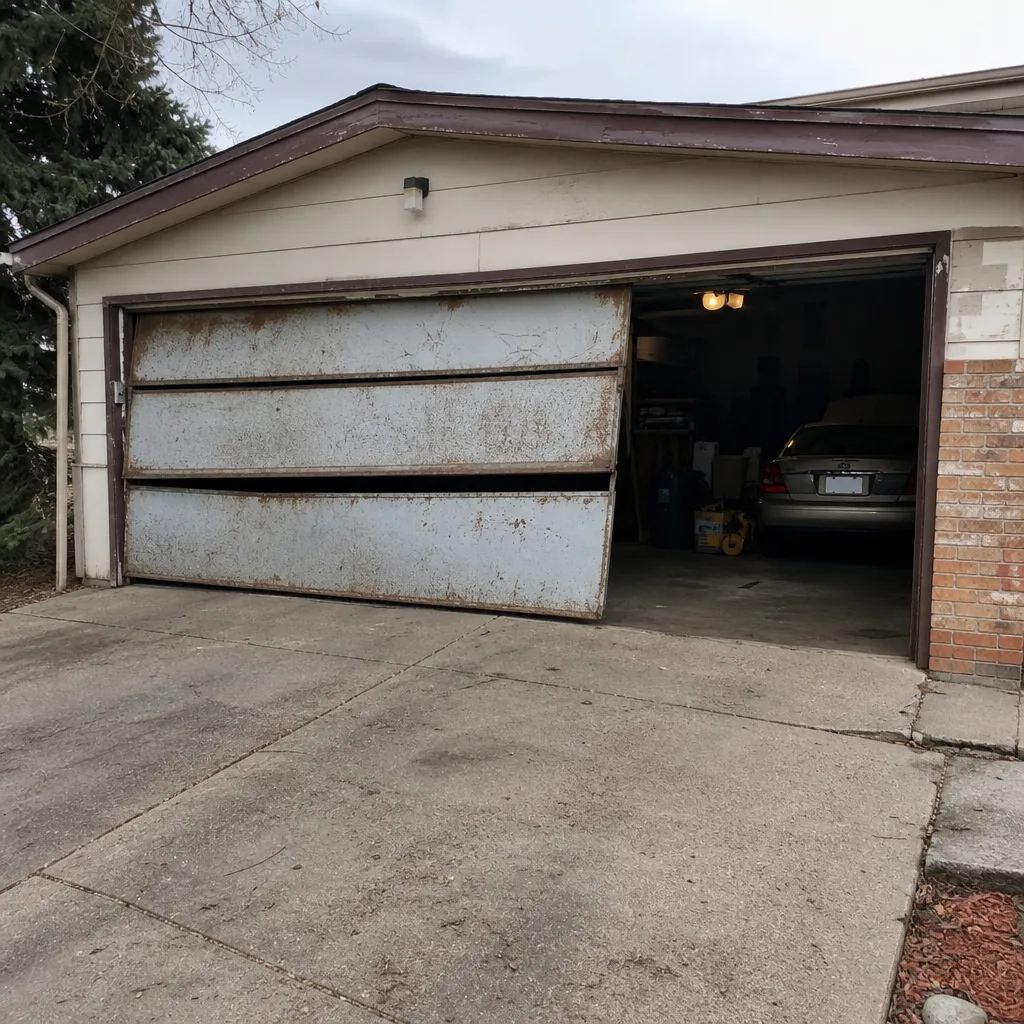 Before
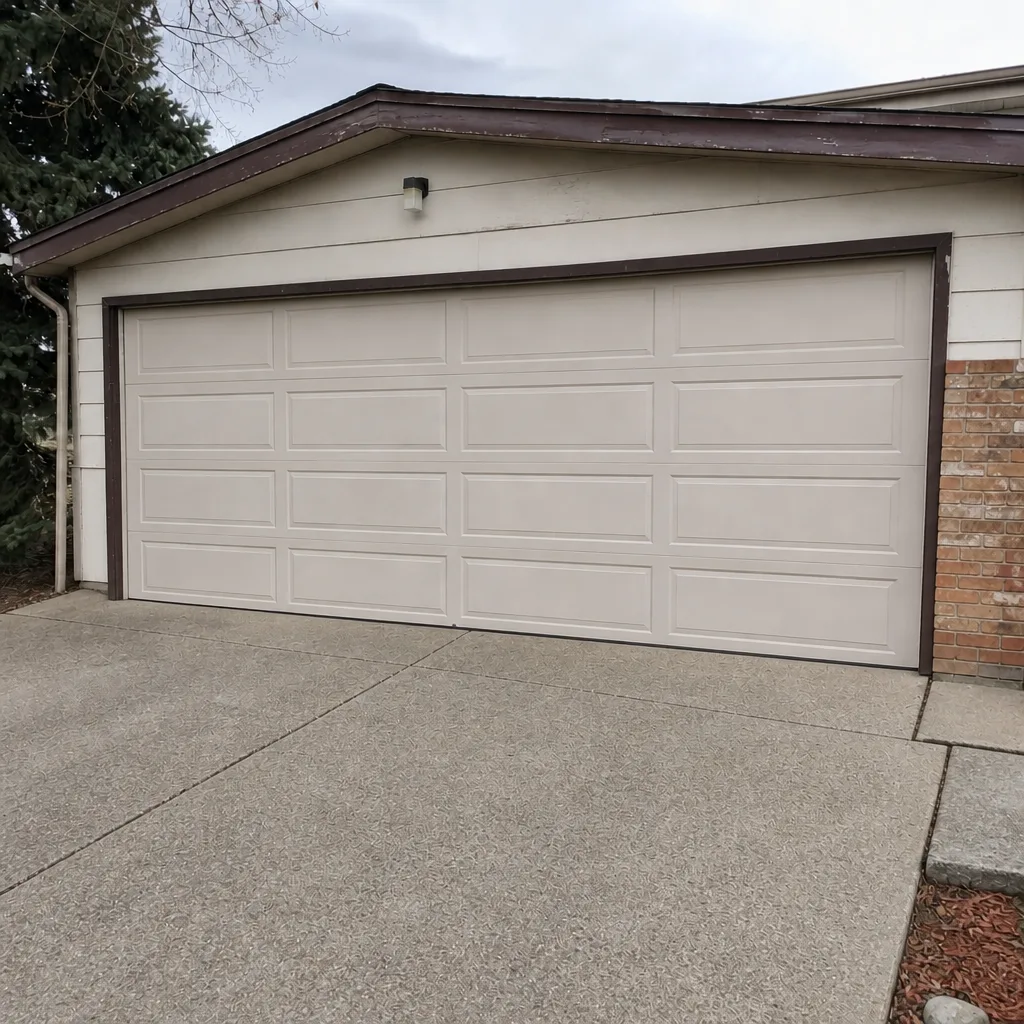 After
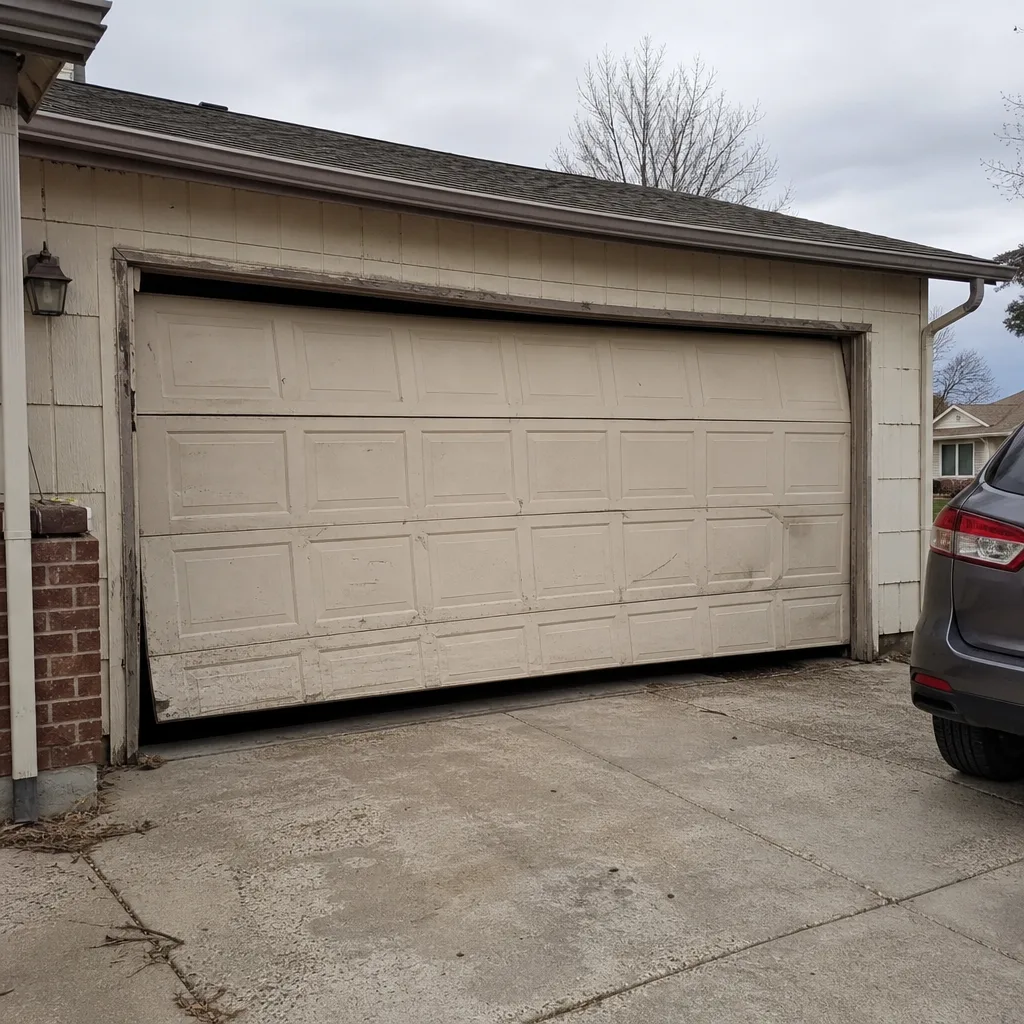 Before
 After
 Before
 After