Last updated November 22, 2026
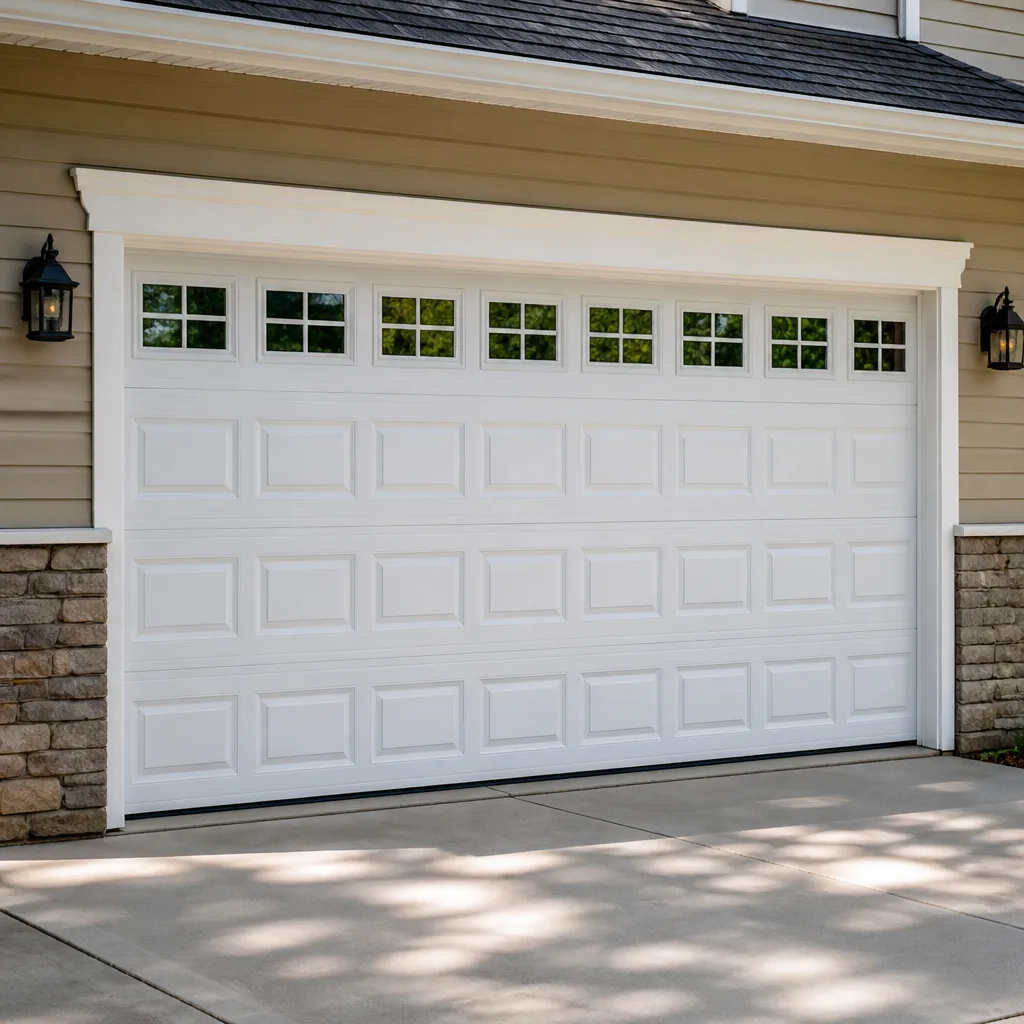 Raised-panel steel
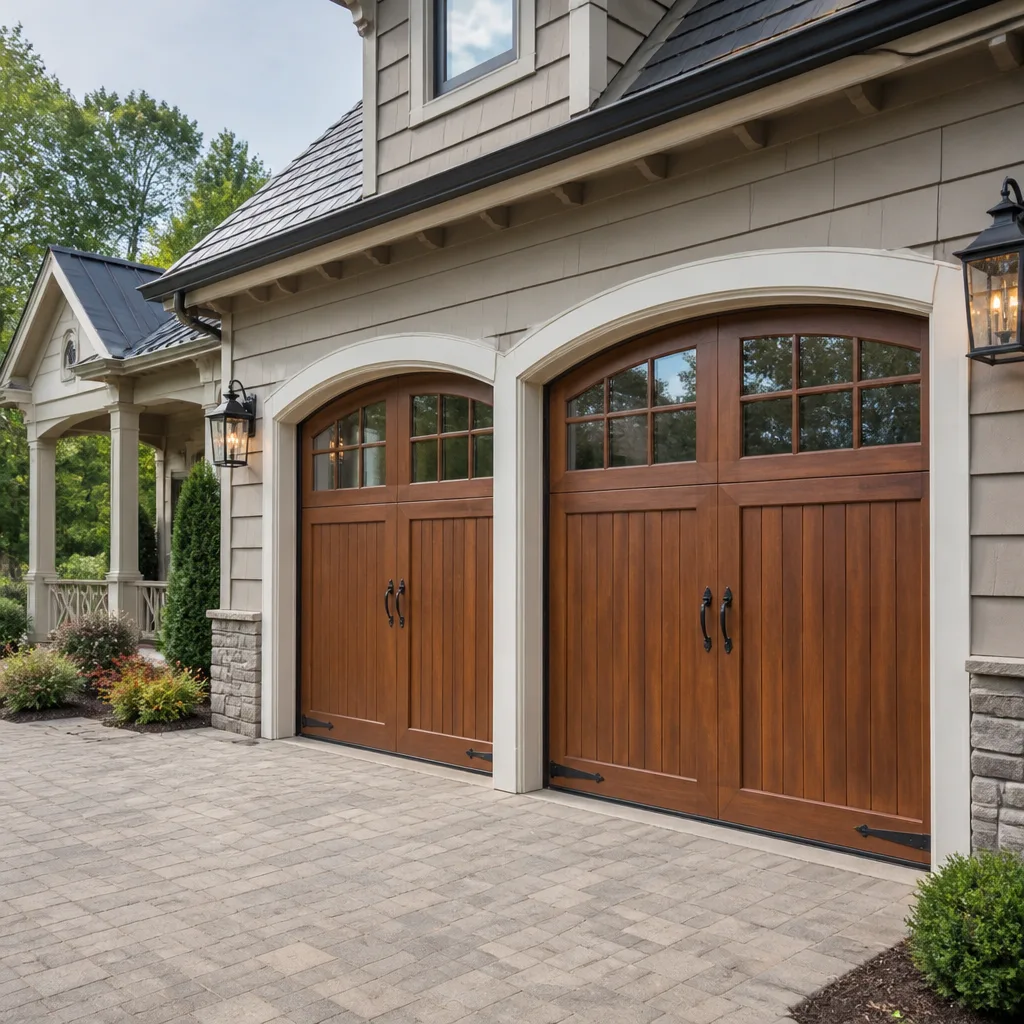 Carriage house
 Modern flush
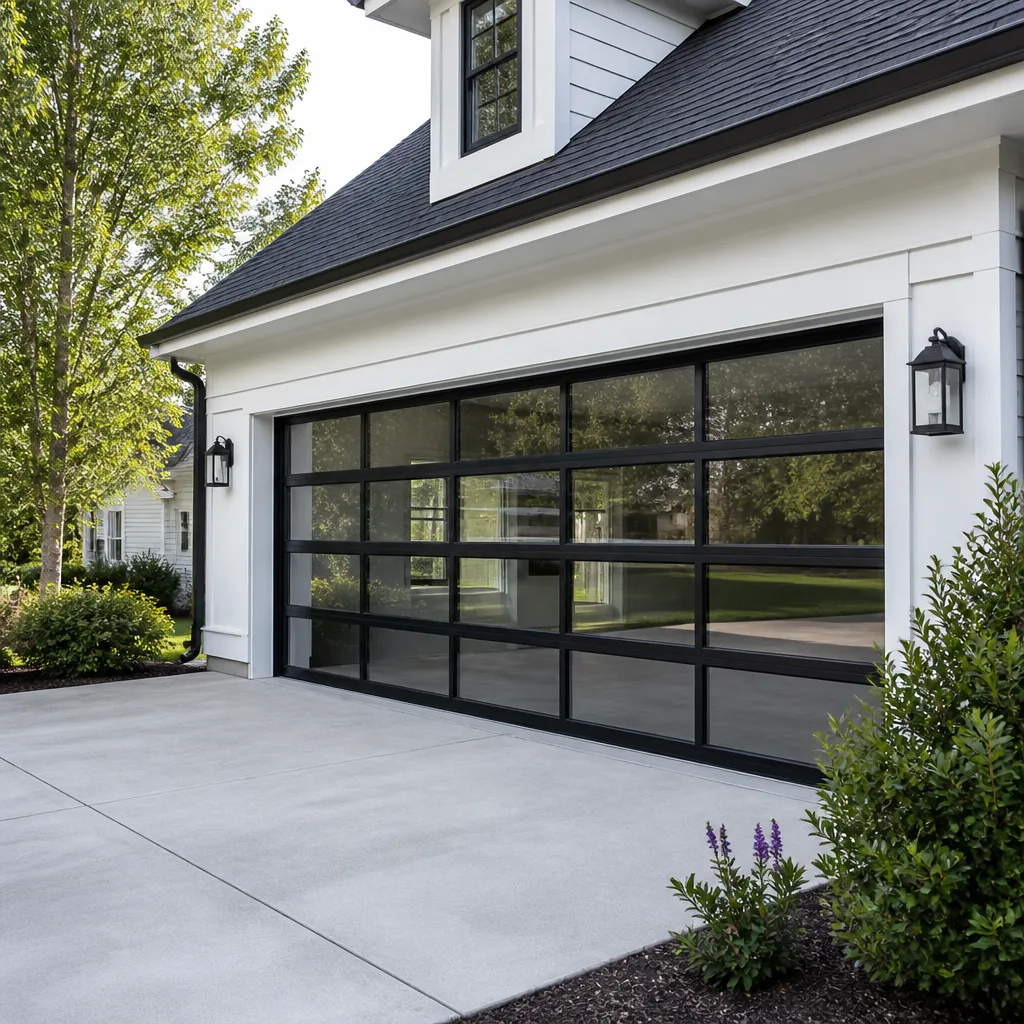 Full-view glass
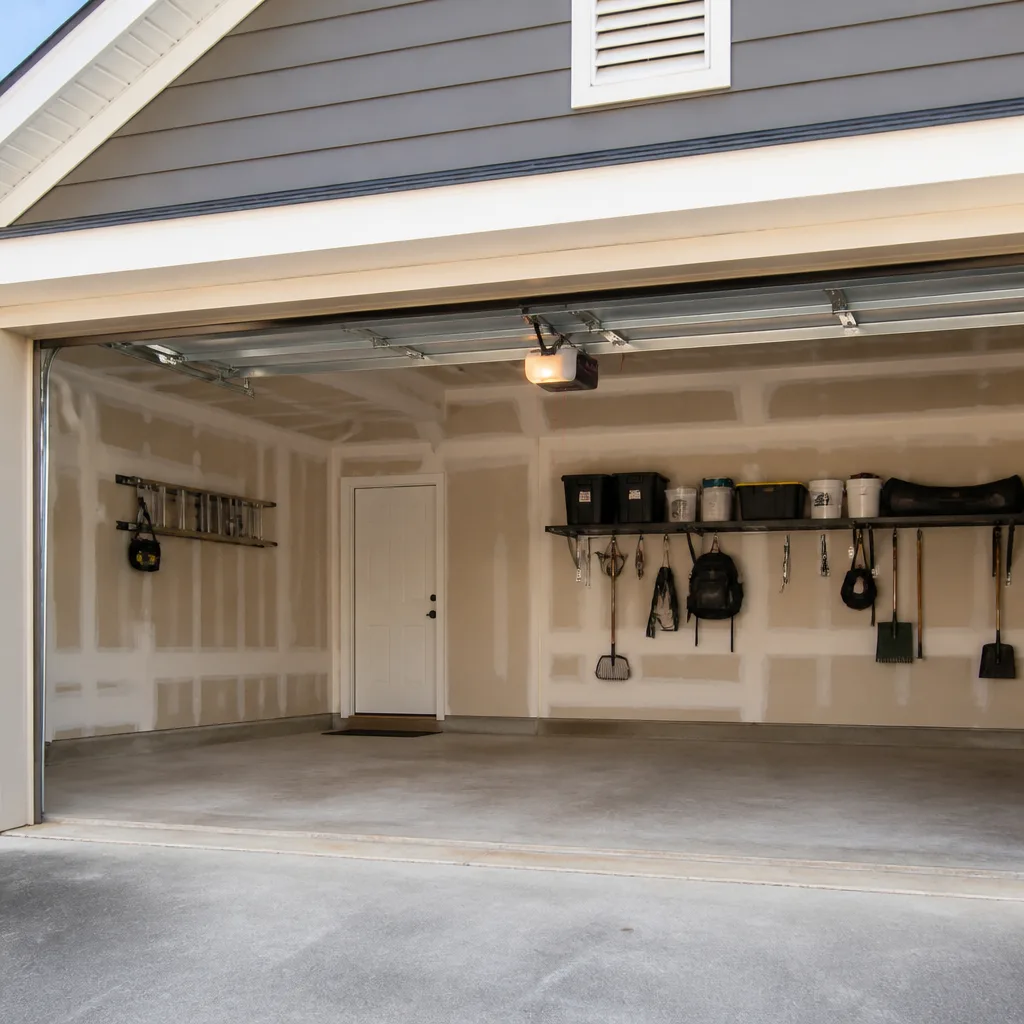 LiftMaster openers
 Chamberlain openers
Full 25-point door and opener safety check with every visit - springs, cables, rollers, tracks, and your LiftMaster or Chamberlain opener included
You get a price before we start. It does not change when the pro arrives.
Get your free estimateHow to Hire a Garage Door Contractor in Centennial: A Step-by-Step Guide
Here’s the part most homeowners never hear until it’s too late: Colorado does not require a state contractor license specifically for garage door installation. That means the person quoting your spring replacement and the person quoting it next door can look identical on paper, and the only real filters you have are insurance documents, verifiable manufacturer certifications, and references from jobs that have actually been under load. In Centennial, where hailstorms and freeze-thaw cycles work on your door and opener all year, that gap matters. This guide walks you through exactly what to ask, what to verify, and how to read a quote so you’re not paying for guesswork.
Quick Answer
To hire a garage door contractor in Centennial, request proof of general liability and workers’ compensation insurance, ask for manufacturer certifications that match your door and opener brands, get two or three written quotes with itemized parts and warranty terms, and confirm the contractor specializes in garage doors rather than general handyman work. Verify references from jobs involving torsion springs or full door replacement, not just tune-ups. Sign only after the scope, price, and warranty are in writing.
Styles & brands we work with
- Raised-panel steel
- Carriage house
- Modern flush
- Full-view glass
- LiftMaster openers
- Chamberlain openers
Table of Contents
- Why Garage Door Licensing Works Differently in Colorado
- What to Request Beyond a General Contractor’s License
- Insurance Minimums That Actually Matter
- Red Flags in a Garage Door Quote
- How to Compare Quotes When Contractors Spec Different Parts
- Garage-Door-Only Specialist Versus General Handyman
- Step-by-Step: Vetting a Contractor Before You Sign
- What to Do When the Door Fails Today
Why Garage Door Licensing Works Differently in Colorado
Colorado regulates certain trades at the state level and leaves others to local jurisdictions. Garage door installation and repair is not one of the trades with a dedicated state license. That’s not a loophole so much as a gap: a technician whose first solo job is today can legally show up at your Centennial home and quote a full torsion spring replacement. What separates a qualified specialist from an unqualified one isn’t a piece of paper from the state. It’s a stack of evidence you have to ask for.
In our experience working on Centennial doors, the difference shows up fast. A qualified technician can look at a Wayne Dalton door and know which torsion system it uses without asking. They know what a LiftMaster opener’s diagnostic LED pattern means. They also know that a spring under extreme tension is not a place to guess.
Centennial adds its own pressures. Hail is a regular visitor along the Front Range, and a hailstorm that dents panels or scuffs a door can hide bent tracks behind it. Freeze-thaw cycles work hinges and bearings loose over a decade. A contractor who only handles doors in fair weather will miss how those Colorado cycles accelerate wear.
What you should expect from a licensed and insured contractor in Centennial is straightforward:
- Proof of state or local registration as required for their trade scope
- General liability insurance documentation
- Workers’ compensation coverage for anyone on your property
- Manufacturer training records or certification confirmations
- Verifiable local references, including spring and full-door jobs
None of that replaces a state license, but together they fill the gap that licensing in Colorado leaves open.
What to Request Beyond a General Contractor’s License
When you ask a Centennial garage door contractor for their credentials, a general contractor’s license is a starting point, not a finish line. Garage door work involves components a general contractor rarely touches: torsion springs, high-cycle openers, and counterbalance systems. Manufacturer certifications fill the gap.
Here’s what specific certifications usually verify, and why they matter for your job:
- LiftMaster dealer and installer programs verify the contractor has completed factory training specific to LiftMaster openers, including belt drive, chain drive, and screw drive models. That training can affect warranty coverage on a new opener install.
- Clopay, Amarr, and Wayne Dalton programs verify familiarity with panel, track, and counterbalance systems unique to those door manufacturers. They usually also speak to warranty enforcement: many door warranties require installation by a certified installer to remain valid.
- Spring and hardware certifications from torsion system manufacturers verify the technician has been trained on high-tension safety procedures. This is the one most homeowners never ask about, and it’s the one with the most safety weight.
- Raynor and Craftsman service training matters if your door or opener is from either brand. Craftsman openers in particular have a long install base in Centennial homes, and the diagnostic sequences are brand-specific.
Ask a contractor to send you a copy of their certification or a dealer ID number you can look up. A technician whose only qualification is a business card is a gamble. A technician whose brand credentials you can verify is a known quantity. We work on the brand already in your garage because that familiarity translates into fewer return visits, not just faster diagnosis.
After credentials, ask for references. Not just any references. Ask specifically for two jobs that involved a torsion spring replacement or a full door swap, ideally within the last six months. A tune-up reference tells you the contractor showed up on time. A spring reference tells you whether the door still balances correctly weeks later. In Centennial’s climate, that’s the test that counts.
Insurance Minimums That Actually Matter
General liability insurance is the baseline every contractor should carry, but for garage door work specifically, there’s a second layer most homeowners don’t think to ask about. A standard general liability policy covers damage to your property. It does not automatically cover injury to the technician. Workers’ compensation does.
Why does that distinction matter for garage door work? Springs are under extreme tension. When a torsion spring fails during removal, the technician is exposed to serious injury. If the contractor only carries general liability, an injured worker’s claim could come back to you as the homeowner in ways you don’t want to consider.
Ask for these three documents before work starts:
- Certificate of general liability insurance, with policy limits and expiration date visible
- Certificate of workers’ compensation insurance, covering anyone the contractor brings to your property
- Verification that both policies are active, either by calling the insurer’s listed number or requesting a certificate directly from the broker
Some contractors carry only the state minimum, and some carry only one of the two. In our experience, the ones who hesitate on the workers’ comp request are the ones you want to skip. Ask politely, ask in writing, and expect a fast, clean answer. If the answer is anything other than a clear yes, that’s your answer.
Colorado does not currently mandate a specific insurance minimum for garage door contractors the way it does for certain other trades. That makes asking the only verification you have. The documentation is your filter.
Red Flags in a Garage Door Quote
Most bad garage door quotes share recognizable patterns. If you see two or more of these in the same estimate, pause and get a second opinion before signing anything.
- Vague line items. “Springs and labor” tells you nothing. A real quote lists spring size, wire gauge, cycle rating, hardware, and separate line items for parts and labor. If the estimate is one lump sum, ask for it itemized before you commit.
- No written warranty terms. A verbal “we stand behind it” is not a warranty. Ask for written terms covering both parts and labor, including what happens if a spring fails within six months. If they won’t put it in writing, they won’t honor it later either.
- Pressure to decide on-site. A same-day decision discount, or any pressure to sign before the technician leaves your driveway, is worth a step back. A contractor confident in their work will leave the quote with you overnight.
- No license or insurance paperwork offered proactively. A Centennial technician should hand over insurance and certification documents without being asked twice.
- Quote doesn’t specify brand. A quote that doesn’t name the spring brand, opener brand, or door manufacturer is hiding part of the decision from you. LiftMaster and Chamberlain openers, for example, are similar in some models but not interchangeable.
- Door-only or opener-only capability. If a quote covers the opener but the technician says you’ll need a separate contractor for the door, they don’t cover the full system. You’ll end up coordinating two trades on one job, with neither taking responsibility for the interaction.
The most reliable sign of a good quote is the opposite of these: specific part numbers or at least specific brands, itemized labor, written warranty language, and no on-the-spot pressure. If a Centennial contractor hands you that, you’re already ahead of most of the market.
How to Compare Quotes When Contractors Spec Different Parts
The hardest part of hiring isn’t finding a contractor. It’s comparing two or three quotes that use different language, different parts, and different cycle ratings for what sounds like the same job. That comparison gets skewed fast if you don’t know what the differences mean.
Two spring quotes for the same door can differ by hundreds of dollars and both be technically correct, because one contractor specced a standard-cycle spring and the other specced a high-cycle one. Standard-cycle springs are designed for roughly 10,000 cycles, high-cycle springs for 20,000 or more. A cycle is one open or close. If your household opens the door four times a day, that’s about 1,460 cycles a year, so a standard spring is closer to its limit than it sounds.
Opener quotes have the same problem. Belt drive, chain drive, screw drive, and jackshaft openers have different noise levels, different service lives, and different warranty terms. A quote without a specific drive type is a quote you can’t compare.
To line up two quotes fairly, build a comparison sheet with these rows:
- Door brand and model (Clopay, Amarr, Wayne Dalton, Raynor, etc.)
- Spring type and cycle rating (standard vs. high-cycle, wire gauge, length)
- Opener brand, model, and drive type (LiftMaster belt drive vs. chain drive, for example)
- Hardware included (hinges, rollers, bearings, cables)
- Labor broken out separately
- Warranty terms on parts and labor, in writing
- Insurance and certification documents attached
- Estimated completion window
Once both quotes are in that format, the cheaper one either stays cheaper with equal parts and equal warranty, or it doesn’t. In our experience, the quote that includes high-cycle springs and a written warranty often closes within a few hundred dollars of the cheaper one, and the lower-cycle quote is the one that comes back sooner.
If you’re comparing a full door replacement rather than a spring swap, factor in whether the contractor handles both removal and installation, or subcontracts one side. Full garage door installation is a single process from tear-out to final balance, and mixing contractors across it adds handoff risk.
Garage-Door-Only Specialist Versus General Handyman
A general handyman can tighten a hinge. A garage-door-only specialist can diagnose why your opener’s safety sensors are tripping when the door closes on cold mornings, and fix it in one visit. The difference isn’t just skill. It affects your warranty and your parts availability years down the road.
Warranty enforceability is where most homeowners get surprised. Many door and opener manufacturers specify that warranty coverage requires installation by a certified installer. If a general handyman installs a Clopay door, the manufacturer may decline to honor a claim on the panel or track finish later. The same is true for LiftMaster and Chamberlain openers. That’s not because the handyman did something wrong. It’s because the manufacturer’s terms are specific.
Parts availability is the second piece. A specialist who works on garage doors daily knows where to source high-cycle springs, specific Wayne Dalton panel profiles, and Raynor track systems. A handyman who installs doors occasionally may substitute a universal part that fits but doesn’t last. In Centennial’s freeze-thaw climate, universal parts show their weakness faster than factory-matched ones.
There’s also the question of scope. A garage-door-only specialist handles both the door and the opener in one visit. A generalist usually does one or the other, and you end up coordinating. If the door doesn’t balance and the opener’s limit settings are off, both problems cause the same symptom, and fixing one without the other leaves you with the same complaint.
Our approach is to only take garage door work. That focus means we don’t guess at the brand-specific quirks of your Clopay door or your LiftMaster opener. It also means when we quote a garage door repair, the person quoting it is the same person doing it.
A general handyman isn’t a bad person to know for other jobs. For garage door work specifically, the specialist filter is one of the highest-value decisions you’ll make.
Step-by-Step: Vetting a Contractor Before You Sign
Here’s the sequence we’d walk a Centennial homeowner through, from first call to signed contract, in order.
- Call two or three contractors. Ask each one the same opening question: “Do you work on torsion springs in-house, or do you subcontract?” Note the speed and clarity of the answer.
- Request insurance documents. Ask for both general liability and workers’ compensation certificates. Expect both to arrive within a day.
- Ask for brand certifications. Name your door and opener brands specifically. If they can’t confirm they work on both, that’s a fit issue.
- Request two references from jobs like yours. Ask for spring or full-door jobs, not tune-ups. If they can’t provide them, ask why.
- Get an itemized written quote. Refuse verbal estimates on anything over a trivial repair. The quote should specify brand, part type, cycle rating, labor, and warranty terms.
- Compare quotes on a level sheet. Use the comparison table above. Ask follow-up questions in writing so you have a record of the answers.
- Confirm the warranty in writing. Ask for the warranty on both parts and labor, separately, and read the exclusions.
- Sign only after the quote matches your expectations. Confirm the final price won’t change once work begins unless you approve additional work in writing before it starts.
That’s the whole filter. It takes about an hour of phone work, and it’s the difference between a fixed door and a return visit in six months.
If the door and opener both need attention, you’ll also want a written scope that covers both. Garage door opener repair and door repair are separate line items but the same visit ideally.
What to Do When the Door Fails Today
A broken spring, a snapped cable, or an opener that’s stopped responding leaves a Centennial homeowner with two problems in one: the car is trapped, and the house is open. The same vetting rules apply, but you have less time. Here’s how to compress the process.
First, secure the door. If the door is stuck open, use the manual release cord (usually a red handle hanging from the opener rail) to detach it from the opener, then lower the door by hand and prop it carefully. Don’t attempt to operate a door with a broken spring or a snapped cable. A door with a failed counterbalance can be extremely heavy, and the springs are under extreme tension.
Then call for emergency service. Ask three questions before you schedule:
- Are the technicians working on this today certified and insured?
- Is the price quoted before the technician arrives, and is it written?
- What’s the expected arrival window?
Emergency garage door service is a real offering, not an upsell. When the door won’t move, we do, and same-day service is the standard for Centennial customers facing a failed door. We can’t always guarantee a specific arrival time, but the price is quoted and agreed before any work starts, so you’re not negotiating in your driveway at night.
If the failure is an opener issue and the door is otherwise sound, a separate emergency visit may not be needed. A garage door opener repair can often be scheduled for the next available appointment, and the door is still usable manually in the meantime if the balance is intact.
Common Mistakes to Avoid
- Hiring on price alone. Two spring quotes that differ by hundreds of dollars usually differ in cycle rating or warranty terms. The cheaper one often isn’t a better deal, it’s a shorter-lived part.
- Accepting a verbal estimate. A quote that isn’t in writing isn’t a quote, it’s a starting point for negotiation. Always get the final price in writing before work begins.
- Skipping the workers’ comp question. General liability alone doesn’t protect the technician, and a spring failure is a real injury scenario. Ask for both documents.
- Assuming the big-box installer is factory-certified. Some are, many aren’t. Ask for the certification number, not the referral sheet.
- Letting the contractor spec the door and opener separately. Opener limit settings are tuned to the door’s balance. Spec both in one quote, from one contractor, so the balance is right after install.
- Ignoring Centennial’s freeze-thaw cycle in your choice of parts. Standard hinge lubricant and low-cycle springs wear faster here. Ask the contractor what they use for local conditions.
- Not asking which specific spring brand is being installed. “High-cycle spring” is a category, not a brand. A spring with a known brand warranty is easier to claim on later.
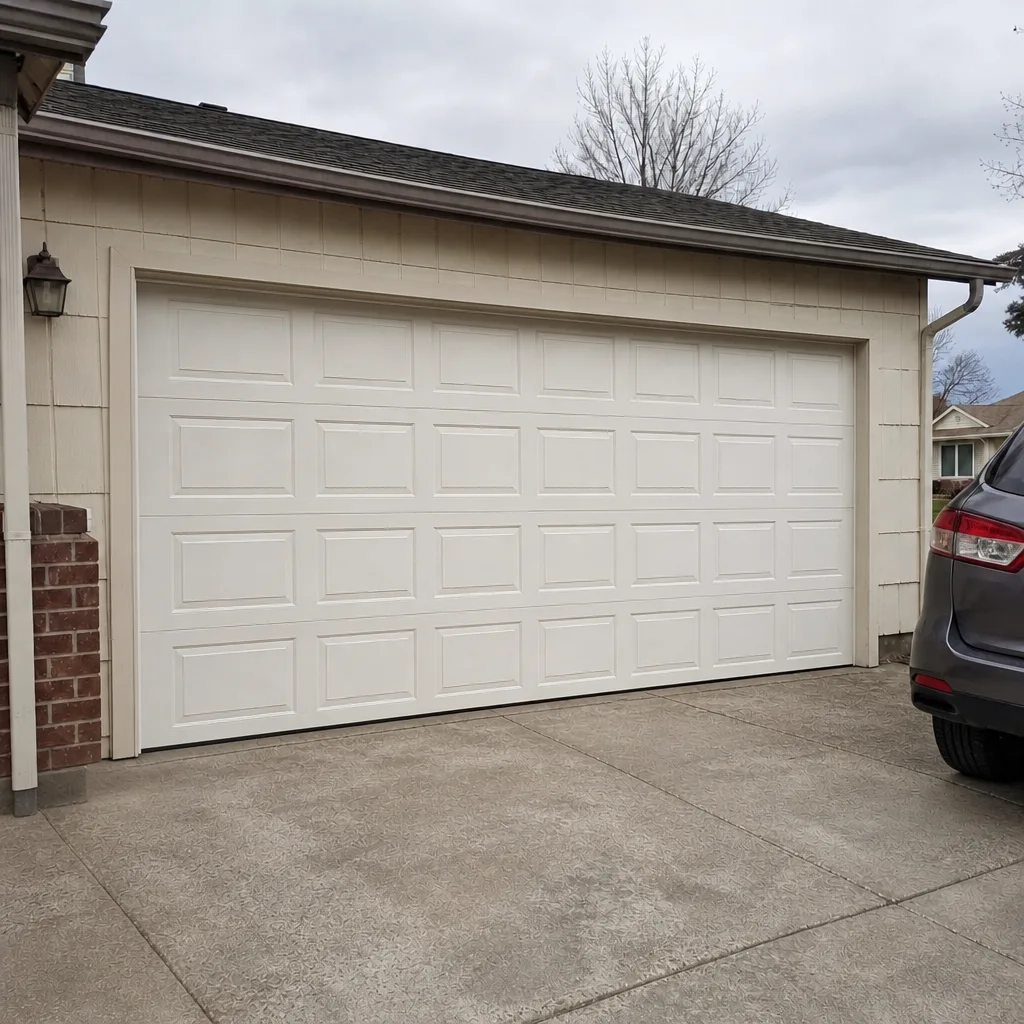
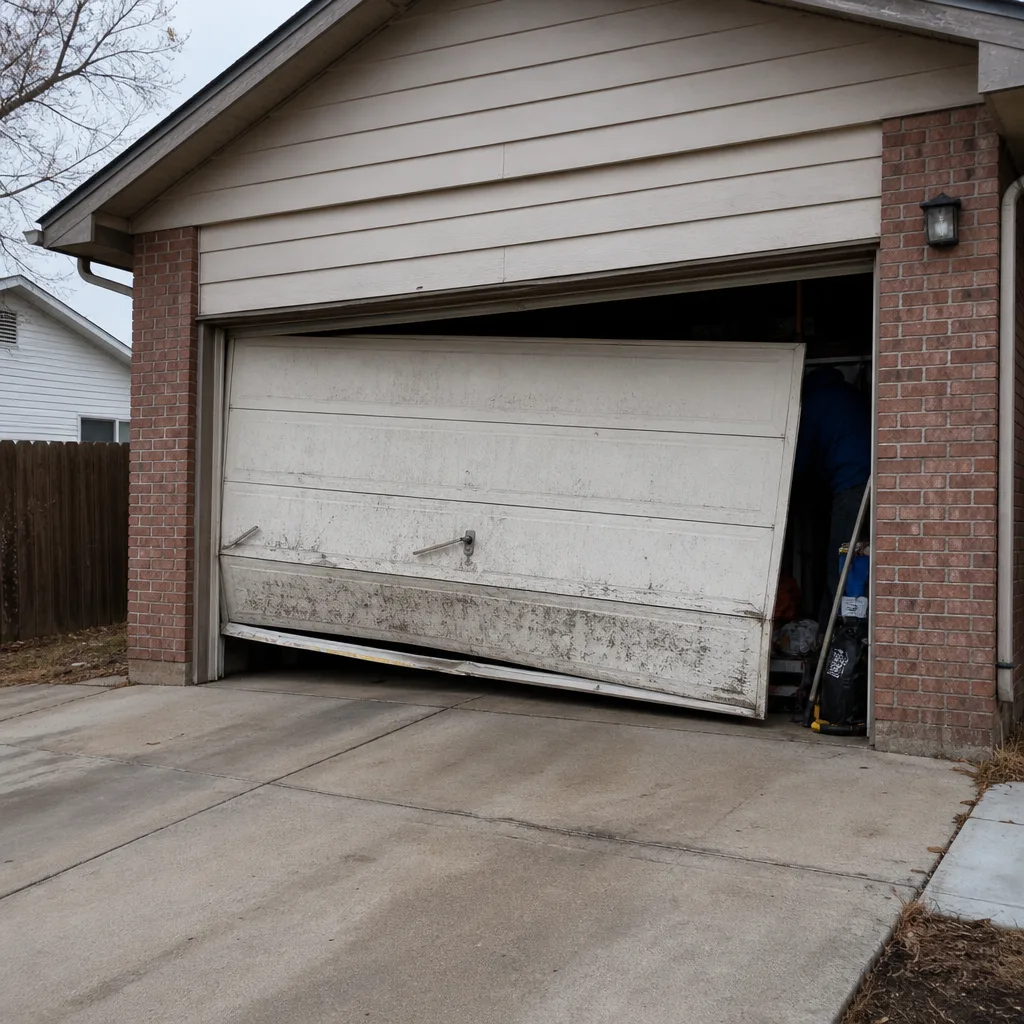
See the difference
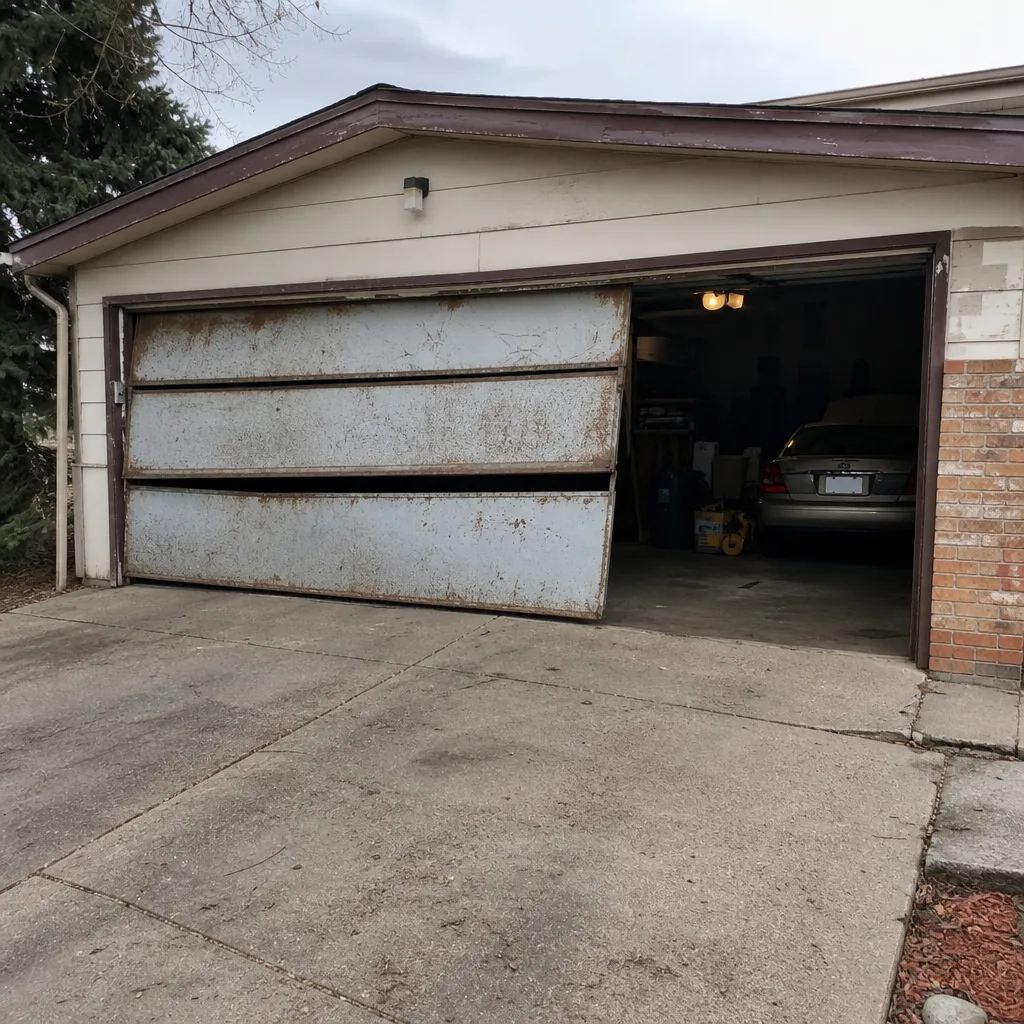 Before
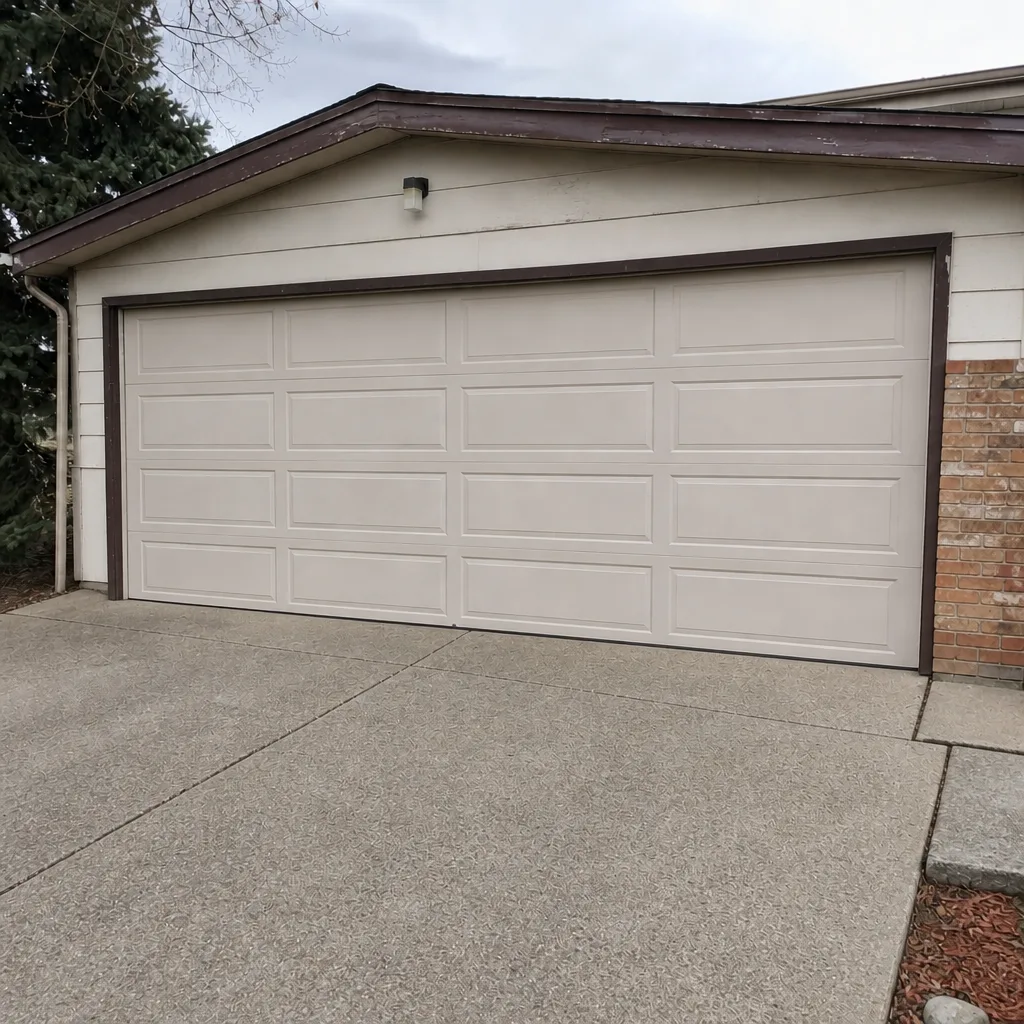 After
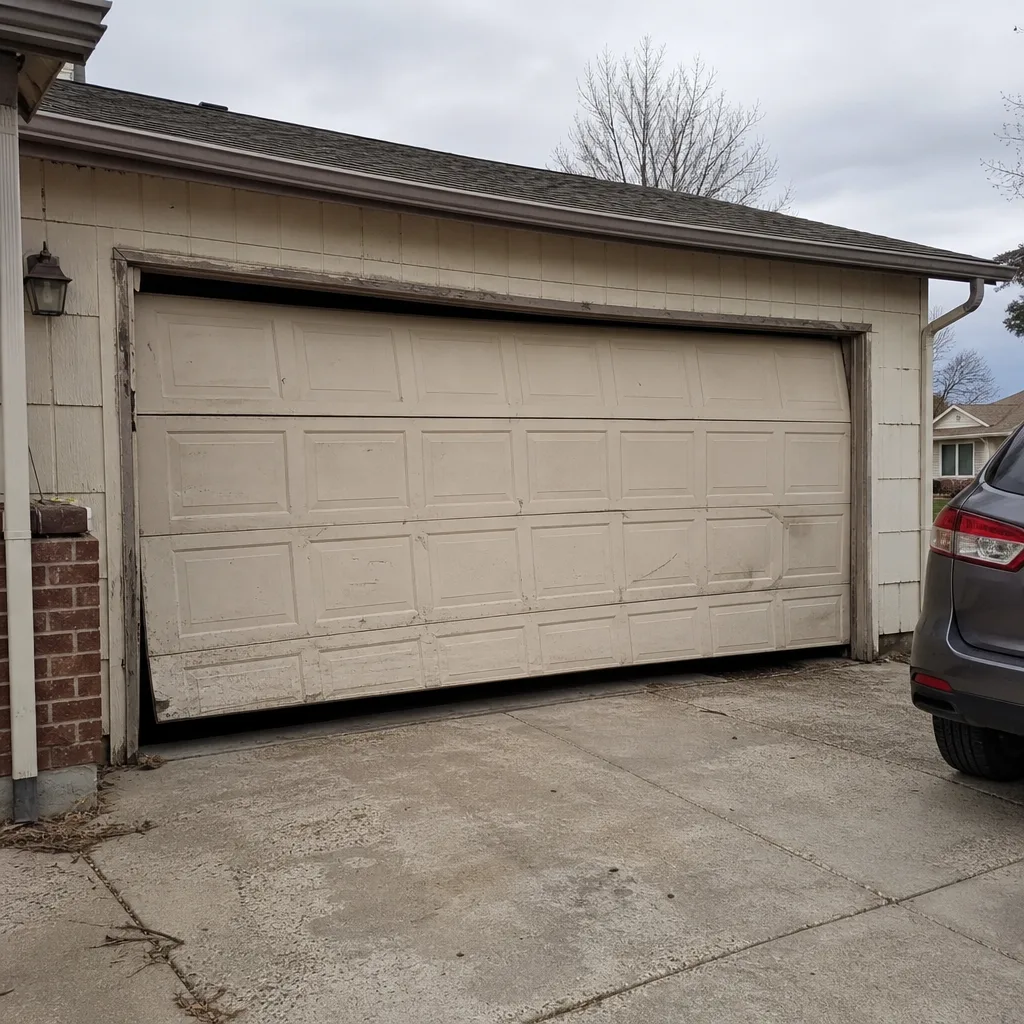 Before
 After
 Before
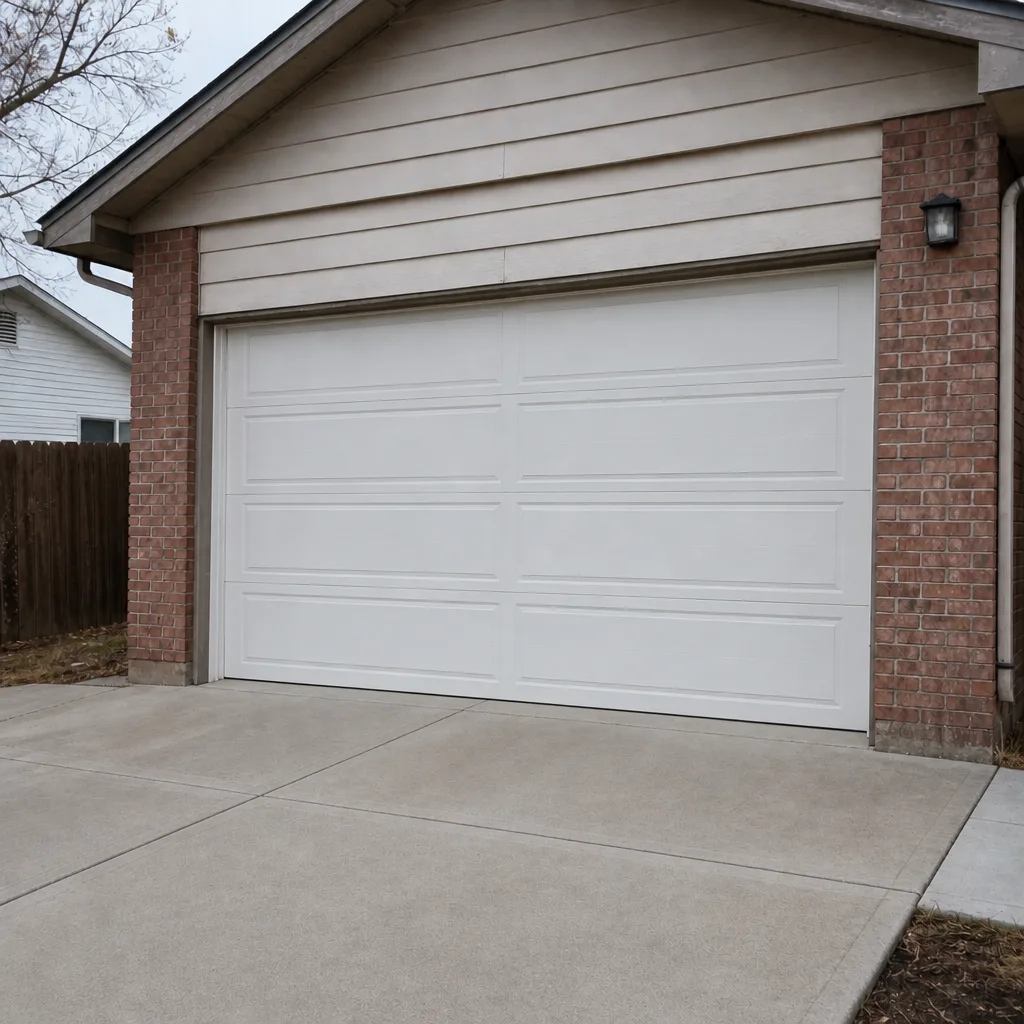 After
When to Call a Professional
Some garage door issues are safe to observe but not to fix yourself. A spring that’s snapped, a cable that’s come off its drum, a door that’s off its track, or an opener that’s tripping the safety sensors on every close all warrant professional attention. Springs and cables are under extreme tension and are not a DIY repair, and a door that’s lost its counterbalance can fall with serious force.
Other signs that it’s time to call: the door reverses for no obvious reason, the opener runs but the door doesn’t move, or the door sags on one side. Any of those in a Centennial home is worth a fast diagnosis, because they tend to get worse before they get better.
The same rule applies whether you’re in Willow Creek, Foxridge, or any other Centennial neighborhood. Garage Door Repair Centennial Pros offers free estimates in Centennial – call (844) 575-1130.
Frequently Asked Questions
Colorado does not require a state license specifically for garage door installation or repair. Licensing for trade work varies by trade and jurisdiction, so the strongest filters are insurance documentation, manufacturer certifications, and verifiable references. Ask for all three before you hire in Centennial.
Ask for a certificate of general liability insurance, a certificate of workers’ compensation insurance, manufacturer certifications matching your door and opener brands, two or three verifiable references from spring or full-door jobs, and an itemized written quote with warranty terms. Those five items separate a qualified contractor from a gambler.
General liability covers damage to your property but not injury to the technician. Springs are under extreme tension and a failure during removal is a real injury risk, so workers’ compensation coverage matters just as much. Ask for both certificates and verify the policies are active.
Build a side-by-side sheet listing spring cycle rating, wire gauge, brand, opener drive type, hardware included, separate labor, and written warranty terms. A standard-cycle spring is roughly half the life of a high-cycle one, so a lower price often means fewer cycles. Compare like-to-like before you decide.
For garage door work, yes. Manufacturers’ warranties on doors and openers often require installation by a certified installer to remain valid, and a specialist knows brand-specific quirks and parts sourcing that a generalist won’t. A specialist also covers both the door and opener in one visit, so you’re not coordinating two trades.
Yes. Emergency garage door service is available for failed springs, snapped cables, off-track doors, and openers that won’t respond, with same-day service and a price quoted before work starts. When the door fails, call (844) 575-1130 and we’ll walk you through securing the door until a technician arrives.
The Bottom Line
The garage door industry in Colorado has no universal licensing requirement, which means the burden of verification sits with you, the homeowner. That’s not bad news once you know what to ask for. Insurance documents, brand certifications, references from spring and full-door jobs, and a written itemized quote give you everything you need to separate a qualified specialist from a generalist guessing at your door. In Centennial’s freeze-thaw climate, those filters matter more than in most markets, because the wrong spring or the wrong opener drive type shows its limits fast.
If you’d rather skip the phone work and talk directly to a team that only works on garage doors, we’re a call away. Garage Door Repair Centennial Pros handles repair, opener repair, installation, spring repair, and emergency service across Centennial. Our technicians have up to 15 years of experience, and the price is quoted and agreed before any work starts.
Call (844) 575-1130 for a free estimate. Estimates are free, and the final price is the one on the written quote, not a surprise at the end.
Written by the team at Garage Door Repair Centennial Pros.